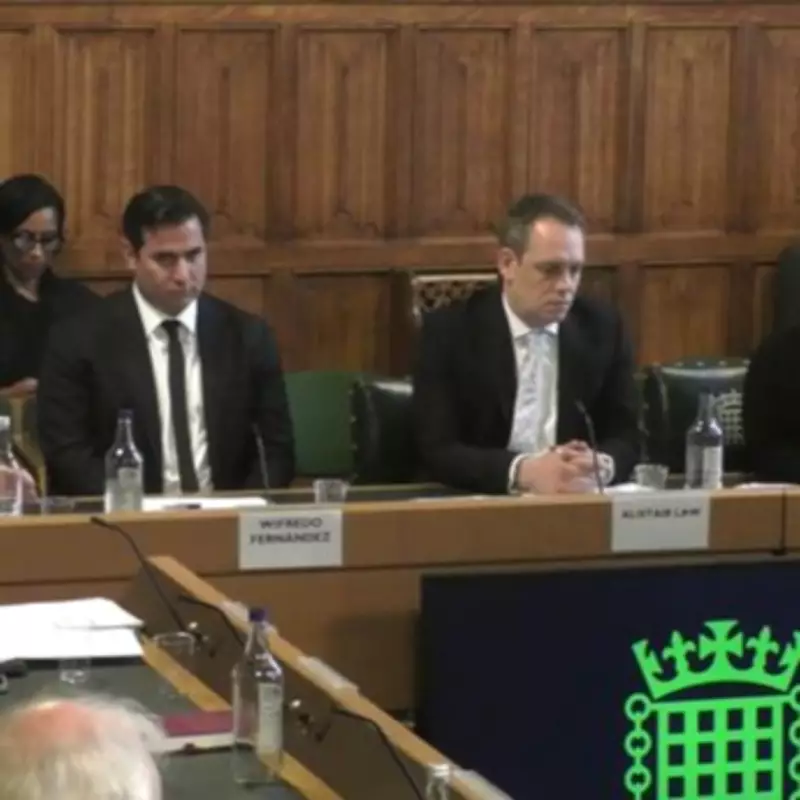
Senior executives from some of the world's largest technology companies, including TikTok, Instagram, X, and Google, have been summoned to a critical meeting at Whitehall. This high-level gathering, convened by UK ministers, aims to tackle escalating concerns about the safety of children online, particularly regarding their exposure to harmful and inappropriate content on social media platforms.
Government Demands Action on Online Protection
The meeting represents a significant escalation in the government's efforts to hold tech giants accountable for their role in safeguarding young users. Ministers are expected to press the companies for concrete plans and immediate actions to enhance protections, with a focus on stricter age verification processes and more robust content moderation systems.
Focus on Social Media Platforms
Specific platforms under scrutiny include TikTok, known for its viral short-form videos; Instagram, a popular photo-sharing app; X, the platform formerly known as Twitter; and Google, which oversees YouTube and other services. Officials have highlighted instances where children have encountered content related to self-harm, violence, and other damaging material, prompting urgent calls for reform.

Key issues to be discussed include:
- The effectiveness of current age restrictions and verification methods.
- Algorithms that may inadvertently promote harmful content to younger audiences.
- Transparency in reporting and addressing user complaints.
- Collaboration with law enforcement and child protection agencies.
Broader Implications for Tech Regulation
This meeting is part of a wider push by the UK government to strengthen online safety regulations, following the introduction of the Online Safety Act. The act imposes legal duties on tech companies to protect users, especially children, from harmful content. Failure to comply could result in substantial fines and other penalties, underscoring the high stakes for the invited executives.
Industry insiders suggest that the outcome of this meeting could set a precedent for how governments worldwide interact with tech firms on child safety issues. As public anxiety grows over the digital well-being of young people, pressure is mounting on companies to demonstrate genuine commitment to change rather than mere compliance.
In response, representatives from the tech companies have indicated a willingness to engage constructively, though they may also advocate for balanced approaches that consider free speech and innovation. The discussions are likely to delve into technical solutions, such as improved AI tools for content detection, as well as policy adjustments to better align with regulatory expectations.
Overall, this Whitehall meeting marks a pivotal moment in the ongoing debate over online safety, highlighting the urgent need for collaborative efforts between government and industry to protect vulnerable users in the digital age.