Social Media Giants Face Legal Reckoning as Dual State Trials Approach Verdicts
The future of social media regulation hangs in the balance as two high-stakes trials unfold simultaneously in California and New Mexico. These landmark cases could fundamentally reshape how tech companies are held accountable for harms allegedly caused to children on their platforms.
California Jury Struggles with Potential Deadlock in Meta and Google Case
In Los Angeles, jurors have been deliberating since March 13 in a bellwether trial against social media giants Meta and Google. The companies stand accused of deliberately engineering addictive features that harm young users. After a month-long trial, the jury sent a note to Judge Carolyn B. Kuhl on Monday indicating they had reached an impasse regarding one unnamed defendant.
If the deadlock persists, the case would require at least partial retrial, according to Judge Kuhl's statements. The California trial specifically targets Google-owned YouTube along with Meta's Instagram and Facebook platforms. A verdict against these companies could establish significant legal precedent, potentially shaking the entire technology industry to its core.

New Mexico Trial Presents Different Legal Strategy Against Meta
Meanwhile in New Mexico, a separate jury deliberates in another trial targeting Meta. Prosecutors here have adopted a slightly different legal approach, alleging that Meta knowingly misled users—including children—about platform safety. The state's Attorney General Raul Torrez originally filed suit in 2023, claiming Meta failed to protect children from online solicitation and human trafficking.
During closing statements, prosecution attorney Linda Singer argued that Meta's algorithms deliberately recommended harmful content to teenagers while the company failed to properly enforce its minimum age requirement of 13. "The safety issues weren't mistakes," Singer asserted. "They were a product of a corporate philosophy that chose growth and engagement over children's safety."
Plaintiffs Seek Accountability for Alleged Harms
Across both trials, the central question remains whether social media companies should bear legal responsibility for harms to young users. In California, plaintiff Kaley (identified as KGM in court documents) testified that early social media use exacerbated her depression and suicidal thoughts. Her attorneys argued she was preyed upon as a vulnerable user, while defense lawyers countered that she used platforms as a coping mechanism.
These cases represent just the beginning of potential legal challenges, with approximately 1,600 other plaintiffs across the United States awaiting outcomes. Many are parents who claim their children suffered harm—including some who died by suicide—due to excessive social media use. Successful lawsuits could cost tech companies billions in damages.
Tech Executives Face Scrutiny in Courtroom
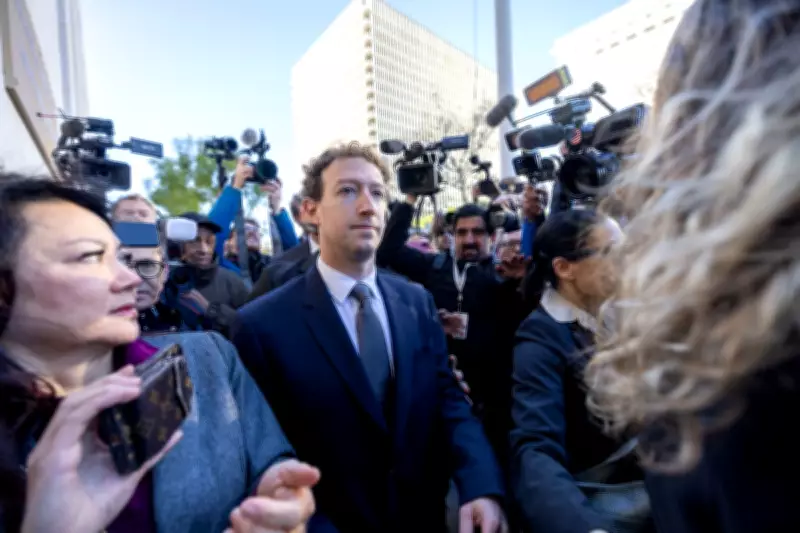
Meta CEO Mark Zuckerberg testified last month in the California trial, facing intense questioning about his past congressional testimony, company policies regarding underage users, and Instagram's beauty filters. His appearance highlighted the unprecedented level of scrutiny now facing tech executives in legal proceedings.
Meta attorney Kevin Huff pushed back against allegations during opening statements on February 9, emphasizing the company's efforts to remove harmful content while acknowledging some material inevitably slips through safety measures.
The outcomes of these parallel trials could establish crucial legal precedents that reverberate through courtrooms nationwide, potentially forcing social media platforms to fundamentally reconsider how they design products and protect young users.