Bipartisan Senators Target Sports Betting on Prediction Platforms
A bipartisan pair of United States senators has introduced new legislation aimed at banning sports betting on prediction market websites such as Polymarket and Kalshi, according to a report from The Wall Street Journal. The move comes as sports wagering becomes increasingly embedded within professional leagues and raises broader regulatory questions.
Legislative Details and Rationale
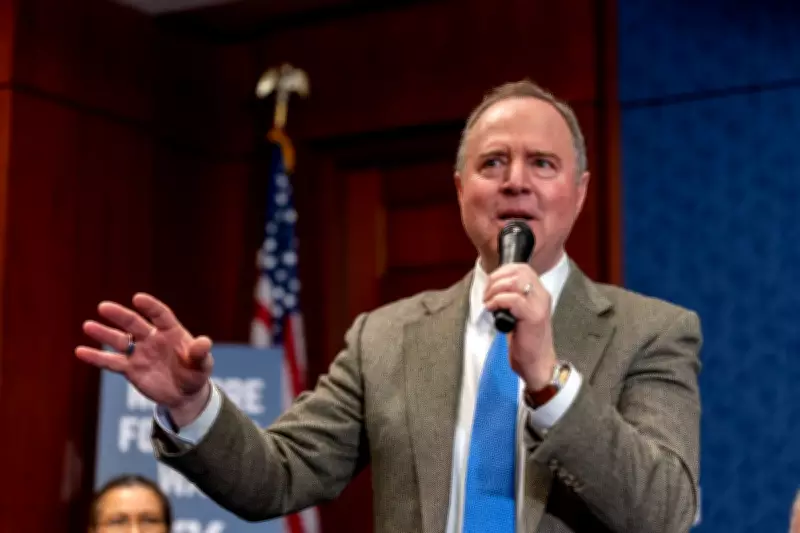
Sens. Adam Schiff, a Democrat from California, and John Curtis, a Republican from Utah, have put forward a bill that would explicitly prohibit entities regulated by the Commodity Futures Trading Commission (CFTC) from listing contracts related to sporting events. Senator Schiff criticised the current regulatory approach, stating, "The CFTC is green-lighting these markets and even promoting their growth. It's time for Congress to step in and eliminate this backdoor, which violates state consumer protections, intrudes upon tribal sovereignty and offers no public revenue."
The proposed legislation also seeks to ban "casino-style games" including blackjack, poker, and slot machines on these platforms. Senator Curtis, a member of the Church of Jesus Christ of Latter-Day Saints, emphasised the risks to younger individuals, noting, "Too many young people in Utah are getting exposed to addictive sports betting and casino-style gaming contracts that belong under state control, not under federal regulators."

Context and Competitive Landscape
Prediction markets like Kalshi and Polymarket allow users to place yes-or-no wagers on a wide array of topics, from politics to entertainment, but a significant portion of their activity revolves around professional and college sports. This positions them in direct competition with established, state-regulated sports betting operators such as FanDuel and DraftKings.
Recent months have seen growing disagreement among lawmakers over how to regulate these prediction markets and which agencies should oversee them. The CFTC has asserted that states lack jurisdiction over these platforms, filing a "friend of the court" briefing with the Ninth U.S. Circuit Court of Appeals to argue for exclusive federal control over commodities-derivatives markets, which include event contracts.
Legal Challenges and Industry Partnerships
Despite the CFTC's stance, Nevada recently secured a temporary restraining order to prevent Kalshi from offering event-based contracts related to sports, politics, and entertainment. Additionally, Arizona has filed criminal charges against Kalshi's parent companies, accusing them of operating an illegal gambling enterprise without proper licensing.
Concurrently, Major League Baseball announced an official partnership with Polymarket, citing a memorandum of understanding with the CFTC chairman to "further protect the integrity of baseball by ensuring swift response to incidents and anticipating emerging trends more strongly." Similarly, the National Hockey League entered into a partnership with both Kalshi and Polymarket in October.
Controversies and Additional Legislative Efforts
Polymarket has faced criticism for permitting bets on sensitive geopolitical events, such as President Donald Trump's military operation in Venezuela that resulted in the capture of President Nicolás Maduro. Further scrutiny arose when wagers were placed on the death of Iranian Supreme Leader Ayatollah Ali Khamenei, with reports indicating that six accounts profited over $1.2 million prior to strikes in Iran.
The bill from Schiff and Curtis is not the only legislative proposal seeking to curb betting markets. Earlier this year, Rep. Ritchie Torres, a Democrat from New York, introduced legislation to prohibit federal elected officials, political appointees, executive branch employees, and congressional staff from trading prediction market contracts related to government policy, actions, or political outcomes.