Sanders and Ocasio-Cortez Unveil Bill to Halt AI Datacenter Construction
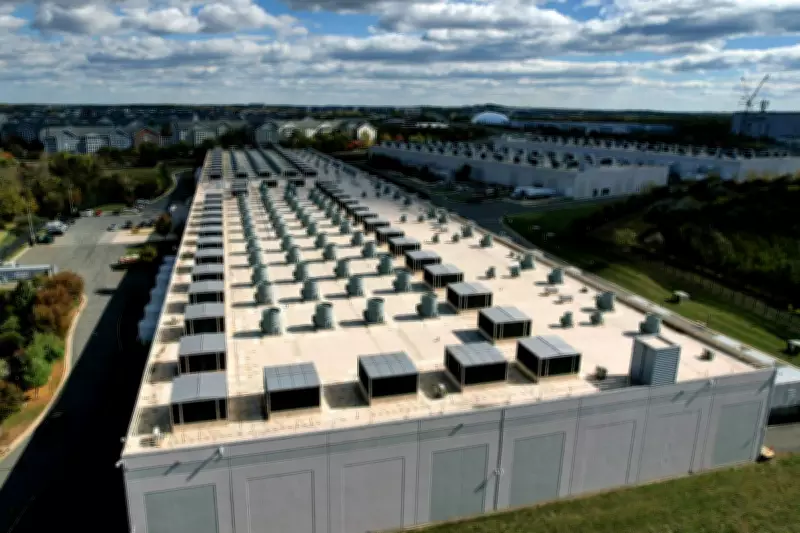
In a bold move to address the sweeping impacts of artificial intelligence, progressive lawmakers Bernie Sanders and Alexandria Ocasio-Cortez have introduced legislation calling for a federal moratorium on the construction of new AI datacenters. Announced on Wednesday morning, this policy aims to pause the rapid buildout of AI infrastructure, providing time for the US government to establish robust federal safeguards.
Addressing Unprecedented Technological Change
Senator Bernie Sanders, an independent from Vermont, emphasized the urgency of the situation in an emailed statement. "AI and robotics are creating the most sweeping technological revolution in the history of humanity," he said. "The scale, scope, and speed of that change is unprecedented. Congress is way behind where it should be in understanding the nature of this revolution and its impacts." The bill seeks to ensure that the AI boom protects the environment, supports communities, and benefits workers rather than causing harm.
Growing Momentum for a Moratorium
Calls to halt AI datacenter expansion have shifted from the margins to the mainstream in recent months. Since August 2025, numerous towns and counties across the United States, including locations in Missouri, Indiana, Georgia, and North Carolina, have enacted temporary bans on datacenter buildout. According to the watchdog group Good Jobs First, at least 11 states are now considering similar policies.

In December, over 200 advocacy groups, led by the national environmental organization Food and Water Watch, sent a letter to House and Senate leaders urging a federal datacenter moratorium. They cited concerns about rising electricity bills and the climate crisis. Sanders was the first lawmaker to endorse this demand, and it has since gained traction with progressive figures like Representatives Maxwell Frost of Florida and Pramila Jayapal of Washington.
Public Concerns and Environmental Impacts
Survey data reveals increasing public anxiety about AI's effects. A June 2025 poll found that half of US adults are more concerned than excited about AI's growing role in daily life, while a December 2025 poll indicated that 60% of Americans believe the sector requires better regulation to mitigate negative societal impacts.
Voters are particularly troubled by datacenters' influence on utility costs and energy consumption. In a February poll, participants selected utility costs as a more concerning issue 64% of the time and energy consumption 59% of the time when compared to other datacenter-related issues.
Environmental concerns are also mounting. Datacenters demand vast quantities of water for cooling, sparking controversy in drought-affected regions. Additionally, an October report from the Center for Biological Diversity estimates that, if current trends persist, datacenters could account for nearly half of all US emissions allowed under national climate targets from the power sector. AI proponents argue the technology can reduce emissions, but critics highlight the facilities' significant climate effects.
Economic and Regulatory Challenges
The electricity demand from datacenters is driving up power prices in some areas. A Bloomberg analysis noted that regions with high concentrations of datacenters have seen power costs surge by up to 267% over the past five years. In response, the Trump administration recently hosted tech executives at the White House, where companies pledged to shield Americans from utility rate hikes linked to their datacenters' energy needs. However, critics deem these pledges unenforceable, and a March poll shows most Americans remain skeptical.
Sanders criticized the lack of oversight, stating, "We cannot sit back and allow a handful of billionaire Big Tech oligarchs to make decisions that will reshape our economy, our democracy and the future of humanity. We need serious public debate and democratic oversight over this enormously consequential issue. The time for action is now." He reiterated these points on the Senate floor, warning that multibillionaires are investing in AI primarily to amplify their wealth and power.

Support from Advocacy Groups
Mitch Jones, managing director of policy and litigation at Food and Water Watch, praised the proposed moratorium. "We need a halt to the explosive growth of new AI datacenter construction now, because political and community leaders across the country have been caught completely off guard by this aggressive, profit-hungry industry," he said. "It has yet to be determined if – not how – the industry can ever operate in a manner that sufficiently protects people and society from the profusion of inherent hazards and harms that datacenters bring wherever they appear."
This legislative effort underscores a critical juncture in the AI revolution, as lawmakers and advocates push for stronger federal guardrails to balance technological advancement with environmental sustainability and public welfare.