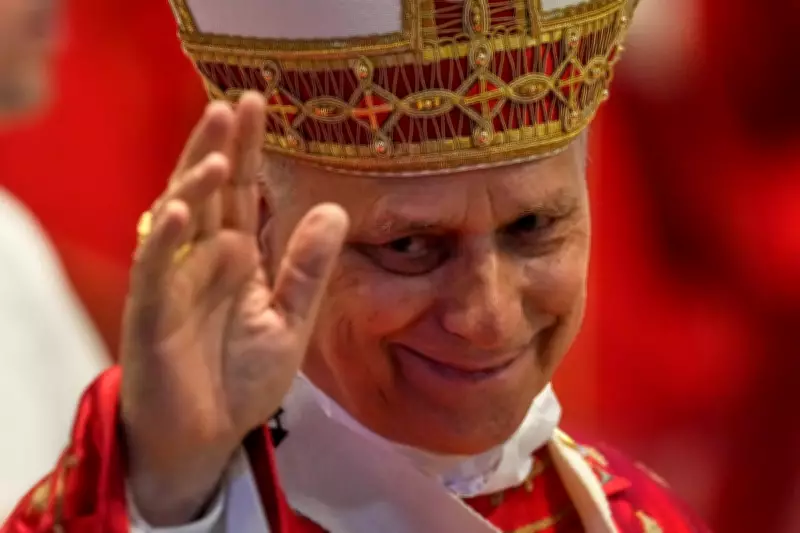
Pope Leo XIV has called for robust regulation of artificial intelligence and urged developers to prioritise the common good over profit. In his first encyclical, "Magnifica Humanitas" (Magnificent Humanity), the pontiff addressed the sweeping impact of AI on work, warfare, and human dignity.
A Defining Moment for AI Ethics
The encyclical, eagerly awaited since Leo's election, denounces the "culture of power" driving the AI race. It declares it "not permissible" to entrust irreversible, lethal decisions to AI systems, setting up a potential clash with the Trump administration's deregulatory stance. Experts believe the document will become a benchmark in the global AI debate, offering a moral framework for policymakers and technologists.
Critique of Big Tech and Remote Warfare
Leo blasted the concentration of power in private hands, calling for independent oversight and legal frameworks. He emphasised that ethics cannot be determined by a few corporations. The encyclical also condemns AI's role in normalising war, stating that the Church's traditional "just war" theory is now outdated given technological advances. Transparency and accountability in AI-driven military decisions are demanded.

Roots in Catholic Social Teaching
Signed on the anniversary of Pope Leo XIII's "Rerum Novarum", the encyclical applies core Catholic principles—justice, solidarity, and the dignity of work—to the digital revolution. It includes an unprecedented papal apology for the Holy See's historical role in legitimising slavery, extending concern for human dignity in labour.
Engagement with Silicon Valley
The Vatican's decade-long dialogue with tech firms continues, with Anthropic's co-founder participating in the encyclical's launch. While criticised as an endorsement, the Vatican sees it as recognition of the company's influence and responsibility. The encyclical urges developers to slow down and reflect, choosing the betterment of humanity over profit.