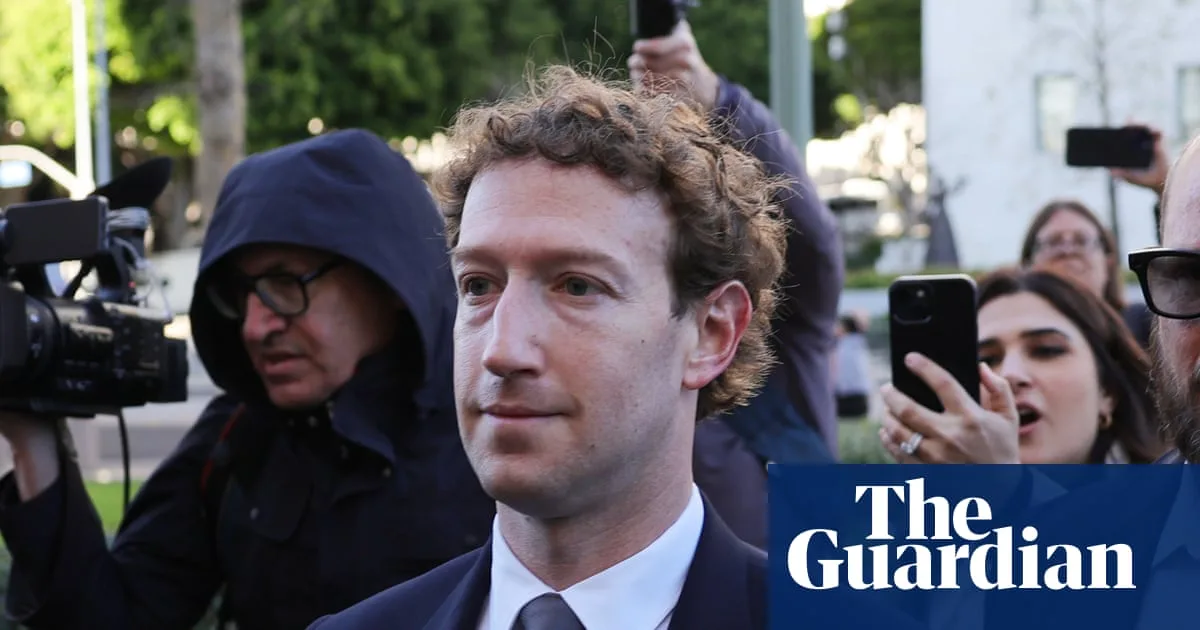
Meta and YouTube Confront Unprecedented Legal Setbacks in Youth Harm Cases
In a dramatic turn of events, Meta and YouTube have suffered consecutive trial defeats this week, marking a significant public reckoning for the social media giants. Jurors in California and New Mexico delivered verdicts that, for the first time, hold these companies accountable for products allegedly causing harm to young people. This development signals a shifting tide against big tech, reminiscent of the legal battles faced by cigarette manufacturers in the 1990s.
Verdicts Deliver Financial Blows and Set Legal Precedents
On Tuesday, a jury in New Mexico ordered Meta to pay $375 million in damages over claims that its platforms facilitated child sexual exploitation and other harms. The following day, a California jury mandated Meta and YouTube to pay $6 million, finding that both companies deliberately designed addictive products to hook young users. These cases represent the first of their kind to reach trial, with thousands more lawsuits pending from coordinated groups of plaintiffs, including families, school districts, and state attorneys general.
In a rare and pointed rebuke, jurors in the California case determined that Meta and YouTube acted with malice, oppression, and fraud. Their 10-2 vote in favor of the plaintiff underscores a growing public perception that blames the business practices of a multi-trillion-dollar industry long operating with minimal regulation and few consequences in the United States.
Industry Responses and Legal Analysis
Meta and YouTube have both expressed disagreement with the verdicts and announced plans to appeal. A YouTube spokesperson argued that the California case "misunderstands" the company, emphasizing it is a video streaming platform rather than a social media site. Meta, meanwhile, focused on the specifics of the case, with a spokesperson stating, "Teen mental health is profoundly complex and cannot be linked to a single app. We will continue to defend ourselves vigorously, as every case is different, and we remain confident in our record of protecting teens online." The spokesperson also highlighted that the California ruling was not unanimous.
James Rubinowitz, a trial attorney and lecturer at the Cardozo School of Law who observed the case, noted the jury's decisive stance. "Ten out of 12 jurors voted for the plaintiff on every single question. That is not a compromise verdict," Rubinowitz said. "That is a jury that heard six weeks of testimony, sat through 44 hours of deliberation, and reached a resounding conclusion that these platforms were defectively designed and that both companies knew it."
Echoes of Big Tobacco and Internal Document Revelations
The flood of lawsuits against social media companies draws parallels to the litigation against big tobacco in the 1990s, focusing on addictive qualities and corporate knowledge of harms. Plaintiff lawyers allege that features like infinitely scrollable feeds and video autoplay are designed to keep users engaged, making the products addictive.
Neama Rahmani, a former federal prosecutor and president of West Coast Trial Lawyers, likened the verdicts to the tobacco era, calling them "just the beginning." "I'm old enough to remember when we had smoking sections on airplanes, and now, because of litigation, anyone who buys a pack of cigarettes sees cancer warnings all over the packaging," Rahmani said. "Such verdicts are going to dramatically change the way we view social media apps."
Internal documents from the tech firms played a crucial role in both trials. In the California case, a 2021 YouTube internal document read, "How are we measuring wellbeing?" with the response, "We're not." Meta's internal reports included statements such as "the young ones are the best ones" for long-term retention and that targeting teens serves as a good "gateway" to attract other family members. One email even noted, "targetting [sic] 11 year olds feels like tobacco companies a couple decades ago." In New Mexico, an email from a Meta product team member to Instagram head Adam Mosseri in 2019 stated, "Data shows that Instagram had become the leading two-sided marketplace for human trafficking."
Plaintiff Testimonies and Future Legal Proceedings
The California case centered on a 20-year-old woman identified by her initials KGM, who testified that she became addicted to YouTube at age six and Instagram at nine, leading to mental health issues, depression, self-harm, and diagnoses of body dysmorphic disorder and social phobia. The New Mexico lawsuit, brought by Attorney General Raúl Torrez, focused on Meta enabling predators and creating an ad-hoc marketplace for child sex trafficking, supported by undercover sting operations.
Looking ahead, KGM's case is the first of over 20 "bellwether" trials scheduled over the next few years, used to gauge jury reactions and set legal precedent. The favorable verdict for KGM is expected to influence outcomes in remaining cases. In New Mexico, Torrez seeks court-mandated changes to Meta's platforms, including stronger age verification, removal of predators, and protection from encrypted communications that shield bad actors.
Plaintiff lawyers are not slowing down, describing the impact of social media on children as "one of the landmark issues of the 21st century." A separate federal lawsuit with hundreds of plaintiffs is set to begin trial in San Francisco in June, with the next California bellwether case scheduled for July. Josh Autry, an attorney with Morgan & Morgan, expressed optimism: "As we push forward with additional bellwether trials against these and other social media companies, we expect jurors will continue to protect the mental health of future generations."
Online safety advocates are employing a multi-pronged strategy, urging Congress to pass regulation, forming advocacy coalitions, and bringing thousands of lawsuits to the forefront. Mike Proulx of Forrester's research team observed, "These verdicts mark an unsurprising breaking point. Negative sentiment toward social media has been building for years, and now it's finally boiled over." The goal is to force social media companies to redesign products and enhance child protection measures, with plaintiff lawyers believing that sustained legal pressure will compel platform changes more effectively than continued courtroom battles.