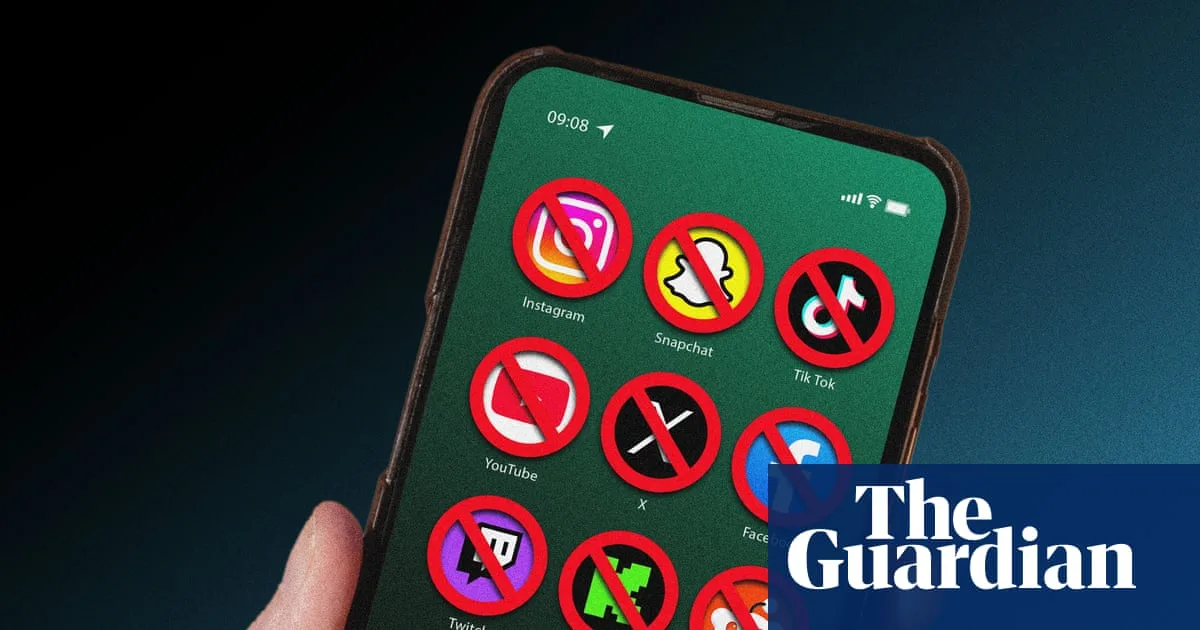
The UK has become the latest country to announce plans for a minimum age of 16 for accessing major social media platforms, joining a growing global trend of legislative crackdowns on tech companies. The move follows Australia's precedent-setting ban last year on platforms including Instagram, Facebook, YouTube, X, TikTok and Snapchat for under-16s.
Arturo Béjar, a former Meta engineer turned whistleblower, said he has spoken to parents worldwide who share a common dread of their children going online. 'I have yet to meet a parent of young kids who is not dreading when they’re old enough to go online. Or a young person who has not experienced something awful and preventable,' he said. Béjar was a witness in US trials that found Meta liable for designing addictive products and misleading consumers about safety.
Governments across the globe are taking action. Indonesia and Malaysia have introduced bans for under-16s on certain platforms, while Austria, France and Norway are considering age restrictions. Brazil has banned mobile phones in schools, and children under 16 can only access social media if linked to a parent's account. Canada plans to bar under-16s unless platforms implement adequate safeguards.
The UK's ban is expected to be in place by spring 2027. Prime Minister Keir Starmer opted to act despite an independent academic panel finding the evidence on social media's harm to teenagers to be 'nuanced'. A source at a tech company affected by the ban expressed frustration that inconsistent safety efforts among rivals led to 'rushed and disproportionately heavy regulation', warning that bans like Australia's do not encourage safer design and have high circumvention rates.
Big tech continues to lobby against restrictions. In the EU, tech companies spent around €150m on lobbying last year, up a third in two years, with Meta the biggest spender at €10m. In the US, Meta has one lobbyist for every six members of Congress and spent heavily against the Kids Online Safety Act. Between 2020 and 2024, big tech spent $260m on federal lobbying. However, Béjar argued that tech firms are 'losing the public' as they 'keep showing the world why we can’t trust them'.