A federal judge has temporarily blocked the Pentagon from designating artificial intelligence firm Anthropic as a supply chain risk, siding with the company in a dispute over its AI safety policies.
U.S. District Judge Rita Lin issued the ruling on Thursday, also halting President Donald Trump's directive that ordered all federal agencies to stop using Anthropic's services. The decision followed a 90-minute hearing in San Francisco federal court on Tuesday.
During the proceedings, Judge Lin questioned the Trump administration's extraordinary step in denouncing Anthropic as a supply chain risk. The action reportedly came after defence contract negotiations soured, primarily due to Anthropic's insistence on preventing its AI technology from being deployed in fully autonomous weapons or for surveillance of Americans.
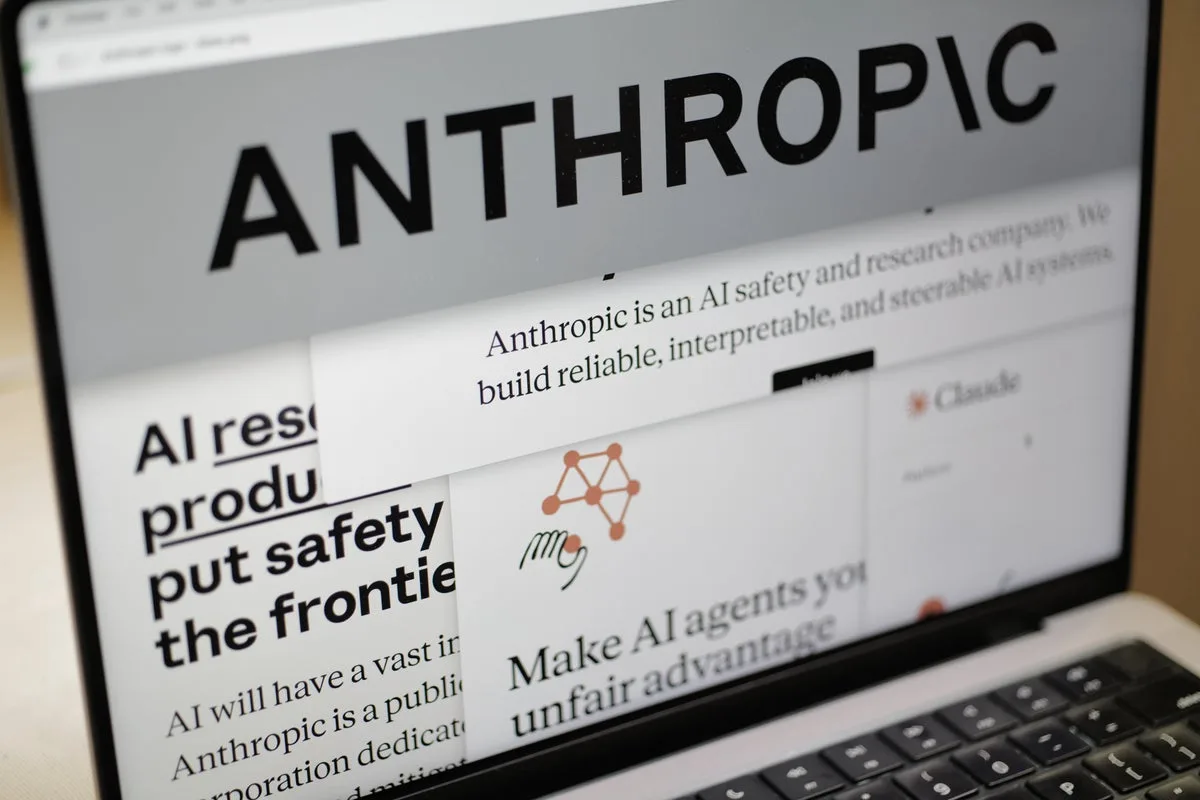
Anthropic, known for its chatbot Claude, had sought an emergency order to remove what it described as an unjustifiable stigma. The San Francisco-based company alleges this label was applied as part of an 'unlawful campaign of retaliation,' prompting it to sue the Trump administration earlier this month.
The Pentagon had argued it should be able to use Claude in any way it deems lawful. Anthropic alleged violations of its First Amendment free speech rights through retaliation against its AI safety views, and a Fifth Amendment due process breach, stating it was denied a chance to dispute the designation.
Judge Lin wrote that her ruling was not about the public policy debate but about the government's actions in response to it. 'If the concern is the integrity of the operational chain of command, the Department of War could just stop using Claude. Instead, these measures appear designed to punish Anthropic,' she stated. The order is delayed for a week and does not require the Pentagon to use Anthropic's products or prevent it from transitioning to other AI providers.