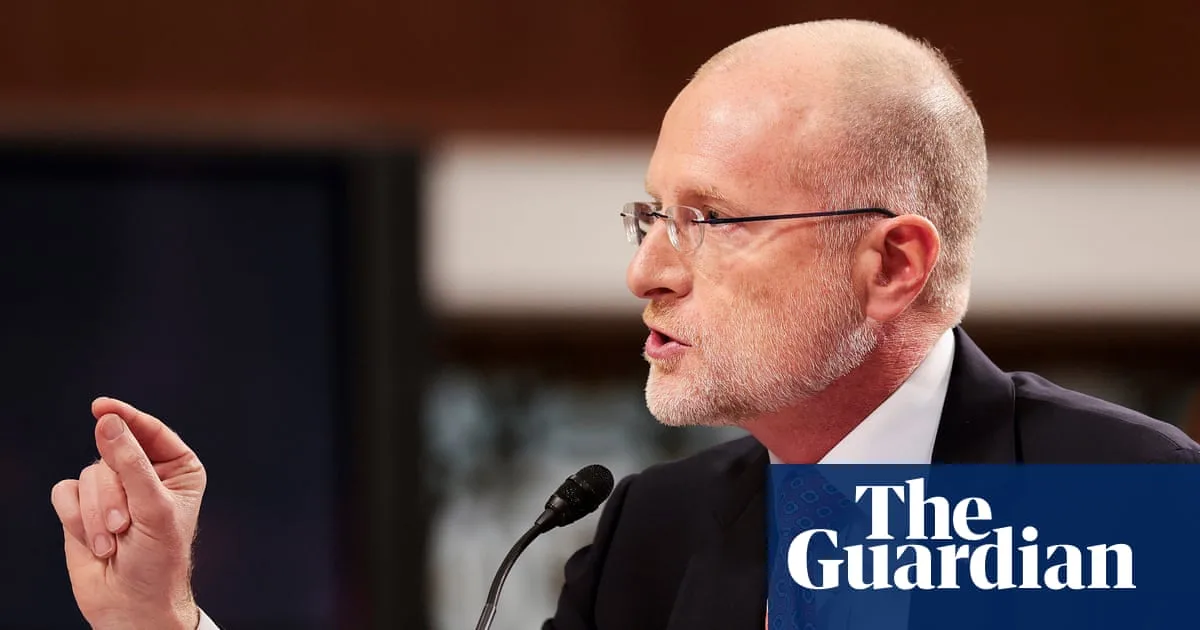
The Federal Communications Commission (FCC) has launched an inquiry into the television ratings system, focusing on whether content related to gender identity is adequately flagged for parents. The agency, now led by Trump appointee Brendan Carr, is seeking public comment on the transparency of the system overseen by the TV Oversight Management Board.
In its public notice, the FCC’s media bureau stated that parents have raised concerns about “controversial gender identity issues” being included in children’s programmes without proper disclosure. The statement specifically questioned whether shows rated TV-Y, TV-Y7 and TV-G may contain discussion or promotion of gender identity themes, and whether such programming should be rated differently.
The inquiry also examines potential disparities between broadcast and streaming services, with the FCC asking whether streaming platforms are interpreting ratings categories more broadly. Public comments are due by 22 May, with reply comments due a month later.
The move is the latest in a series of actions by Carr, who in March threatened to revoke spectrum permits for broadcasters airing what he called “hoaxes and news distortions” regarding the war in Iran. That drew condemnation from Democrats and even some Republicans, including Senator Ron Johnson, who said he did not like “the heavy hand of government”.
In September 2025, Carr faced bipartisan backlash after pressing networks to take action against ABC’s Jimmy Kimmel over comments about a slain right-wing activist. Two major carriers briefly pre-empted Kimmel’s show before ABC resumed it following public outcry.