FCC Chair Issues Stark Warning to Broadcasters Over Iran War Coverage
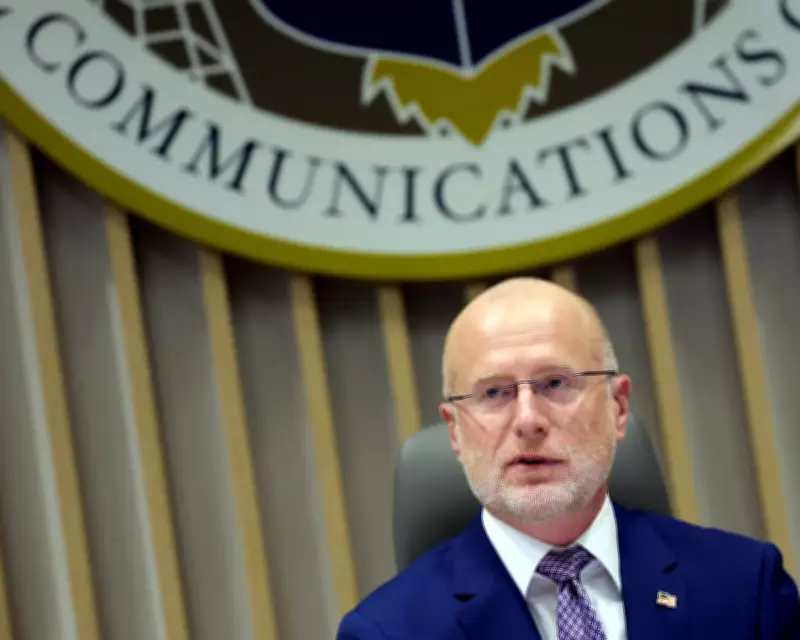
Brendan Carr, the chair of the Federal Communications Commission (FCC), has issued a severe threat to the US broadcasting industry, warning that he may cancel spectrum permits for news outlets accused of spreading what he termed "hoaxes and news distortions" regarding the conflict in Iran. In a social media post on Saturday, Carr stated that broadcasters running "fake news" have an opportunity to correct their course before their license renewals are due, emphasizing that the law requires them to operate in the public interest or risk losing their licenses.
Background of the FCC's Authority and Current Tensions
The FCC holds significant control over the electromagnetic spectrum, commonly known as the airwaves, which includes commercial and non-commercial fixed and mobile wireless services, broadcast television and radio, satellite, and other services under the Communications Act of 1934. Carr's warning emerges amid ongoing complaints from former President Donald Trump and his administration about what they derisively call "the mainstream media," particularly over coverage of the Iran war that they view as unflattering or unpatriotic.
In his post, Carr referenced a Truth Social message from Trump, who criticized "misleading" coverage on Iran. Trump specifically targeted the New York Times and the Wall Street Journal, accusing them and other media outlets of wanting the US to lose the war and labeling their reporting as "the exact opposite of the actual facts." He added that these outlets are "truly sick and demented people" causing damage to the United States.

Administration Criticism and Media Scrutiny
Defense Secretary Pete Hegseth also lambasted the media's coverage of the conflict, offering a lengthy critique on Friday of what he called "fake news" in relation to US-Israeli actions in Iran. Hegseth, who has faced accusations of being thin-skinned about media portrayals and attempting to restrict credentialed reporters from the Pentagon, suggested alternative headlines such as "Iran increasingly desperate" instead of ones like "Mideast war intensifies." He further referenced the acquisition of CNN parent Warner Bros Discovery by Paramount Skydance, owned by multibillionaire Larry Ellison and his son David Ellison, expressing hope for a change in ownership to improve coverage.
In his first interview as Paramount CEO last week, David Ellison pledged to support editorial independence at CNN, addressing staff anxieties about the ownership change and its potential impact on editorial stance. Ellison emphasized CNN's strong brand and team, affirming a commitment to maintaining independence for journalists.
Carr's Justification and Broader Implications
Carr argued without providing evidence that it is in the news industry's "own business interests" to address these issues, citing a purported all-time low trust in legacy media of just 9% and poor ratings. He indicated that he could leverage access to the broadcast and communications spectrum, considered a public asset, to rectify the problem, potentially setting up another clash between the government and the media. Carr noted that the American people have subsidized broadcasters with billions of dollars through free access to airwaves, stressing the importance of restoring trust in media, which he said has earned the label of "fake news."
Additionally, Carr raised concerns about media reporting during the 2024 election, where widespread predictions of a Democratic presidential victory were contradicted by Trump's plurality win in the popular vote. He suggested that when a candidate wins a landslide election despite "hoaxes and distortions," it indicates a loss of public faith and confidence in the media.
This development highlights ongoing tensions between regulatory bodies and the press, with implications for free speech and media independence in the United States.