Doorbell Cameras Reignite Surveillance Fears in Wake of FBI Case and Ring Ad
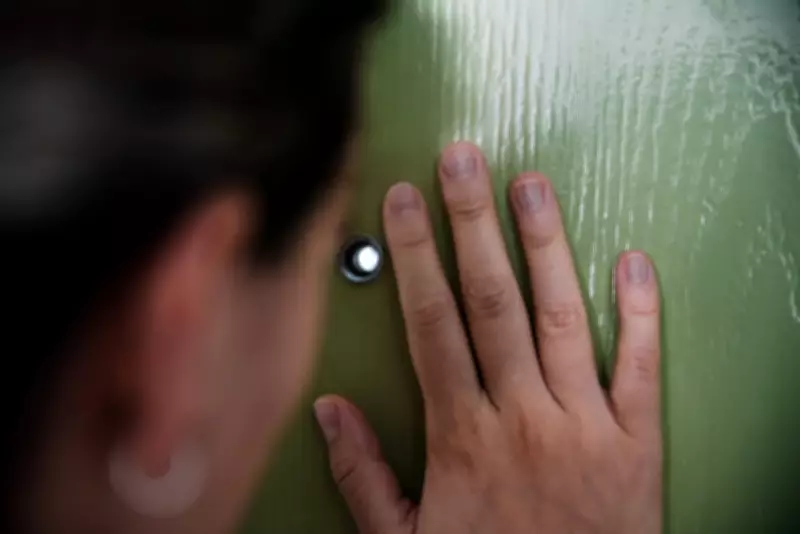
The proliferation of smart doorbell cameras, once marketed as simple tools to safeguard delivery packages, is now at the centre of a heated debate over mass surveillance and data privacy. Two recent incidents have thrust these concerns back into the public eye, prompting scrutiny of how these devices collect and share information.
Super Bowl Ad Sparks Dystopian Comparisons
During the Super Bowl, doorbell-camera company Ring aired an advertisement showcasing its AI-powered feature, Search Party, designed to help locate lost pets. The ad depicted a neighbourhood using networked cameras to find a missing dog, accompanied by uplifting music. However, this portrayal quickly drew comparisons to dystopian narratives, such as those in Black Mirror. Viewers questioned whether the technology could be repurposed to track individuals, raising alarms about potential misuse.
Data privacy expert Chris Gilliard commented, "These companies – their typical strategy is to consistently push the envelope in small ways to acclimate us to more invasive uses of these things." This sentiment echoes broader fears that such features could normalise extensive surveillance.

FBI Case Highlights Data Access Concerns
In a separate development, the FBI released footage from a Google Nest camera in the investigation into the kidnapping of Nancy Guthrie, mother of Today show host Savannah Guthrie. Notably, the camera was reportedly disconnected and lacked an active subscription for premium features, which typically prevents users from storing footage. FBI director Kash Patel suggested that "residual data located in backend systems" was accessed, possibly from cloud backups. It remains unclear whether a warrant was used, intensifying worries about law enforcement's ability to retrieve data without user knowledge.
Gilliard emphasised, "There’s a very distinct and marked difference between what you have access to – in terms of whether you’re paying for it or not – and what the company has access to." This disparity underscores the opaque nature of data handling by tech firms.
Company Responses and Backlash
Ring, owned by Amazon, and Nest have stated they comply with legal requests for data, particularly in life-threatening situations. Ring denies direct federal access to its footage, asserting no partnerships with agencies like ICE. However, the Super Bowl ad prompted swift backlash. Lawmakers, including US senator Ed Markey, condemned the feature's potential for abuse, while social media campaigns urged consumers to discard their devices.
In response, Ring cancelled a partnership with Flock Safety, a licence plate reader network, citing resource constraints. Data-privacy advocates remain skeptical. Jeramie D Scott of the Electronic Privacy Information Center noted, "Ring is just trying to protect its bottom line," warning that without stronger federal protections, surveillance capabilities may expand.
Historical Context and Ongoing Issues
This is not Ring's first controversy. In 2023, the Federal Trade Commission charged the company with privacy violations, leading to a $5.8 million settlement after hackers accessed customer accounts. Despite this, Ring continues to partner with police and has reinstated tools for law enforcement to request footage, under CEO Jamie Siminoff's focus on crime reduction.
As smart home devices become ubiquitous, the balance between security and privacy remains precarious. With increasing awareness, consumers and regulators are calling for greater transparency and accountability in how surveillance technologies are deployed and managed.