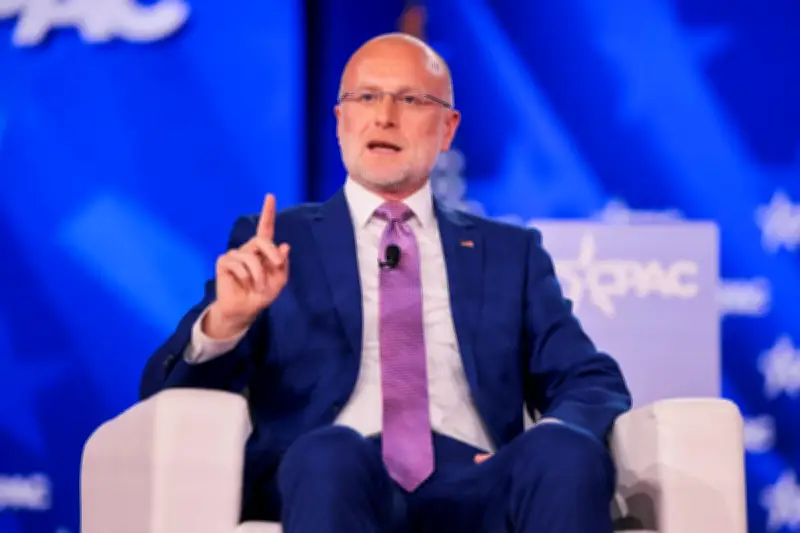
The Federal Communications Commission (FCC) has launched an investigation into The Walt Disney Company following comments made by FCC Chairman Brendan Carr, who alleged that the media giant may have violated federal regulations by pushing a partisan political agenda in its content. The probe, announced on Tuesday, marks an escalation in the ongoing clash between the conservative-led FCC and major entertainment companies.
Allegations of Political Bias
Chairman Carr stated that Disney's programming, particularly on its ABC network and streaming platforms, appeared to promote a specific political viewpoint, which he argued could breach the FCC's rules against broadcasting partisan propaganda without proper disclosure. According to Carr, the investigation will focus on whether Disney failed to identify sponsored content or violated the fairness doctrine, which historically required broadcasters to present contrasting views on controversial issues.
Disney has denied the allegations, calling them baseless and politically motivated. In a statement, the company said, "Disney is committed to providing quality entertainment and news programming that adheres to all FCC regulations. We will cooperate fully with the investigation and are confident that our practices will be found compliant."

Background of the Dispute
The investigation stems from a series of complaints filed by conservative watchdog groups, which accused Disney of using its platforms to advance left-leaning agendas. Carr, appointed by former President Donald Trump, has been a vocal critic of what he perceives as media bias. In recent months, he has threatened to take action against networks that he claims violate public interest obligations.
The FCC's decision to investigate Disney has drawn sharp reactions from both sides of the political spectrum. Supporters of the probe argue that it is necessary to ensure fairness in broadcasting, while critics contend that it represents an overreach of government power and an attack on free speech.
Potential Consequences
If the FCC finds Disney in violation of regulations, the company could face fines or even the loss of its broadcast licenses. However, legal experts suggest that such outcomes are unlikely, as the fairness doctrine was abolished in 1987 and courts have generally been skeptical of government attempts to regulate content.
Disney's stock fell slightly following the announcement, reflecting investor concerns about regulatory uncertainty. The investigation is expected to take several months, with a public comment period and hearings likely to follow.