Australia's Social Media Ban for Under-16s Encounters Significant Hurdles
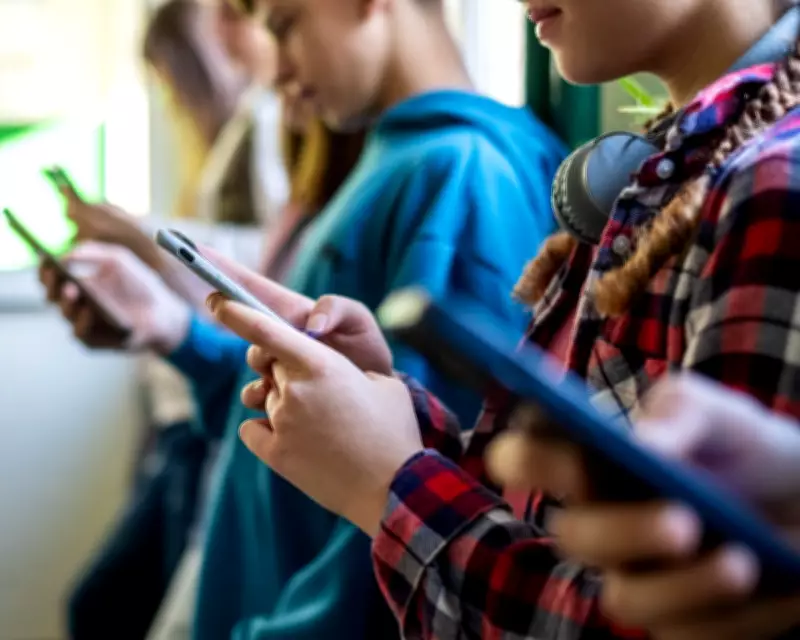
Since Australia implemented its social media ban for individuals under 16 years old, the initiative has faced substantial challenges in enforcement and effectiveness. According to the eSafety commissioner, more than two-thirds of teenagers continue to use platforms covered by the ban, highlighting widespread non-compliance.
Age Verification Technology Falls Short
The ban relies on facial age estimation technology, but it has proven inaccurate for children aged 14 and 15, the very group it aims to block. eSafety reports that this technology has higher error rates near the 16-year threshold, contradicting earlier assurances from age verification companies. Many teens easily bypass these checks, and platforms often ask users to adjust their age rather than deactivate accounts.
Parental Complaints and Platform Inaction
Numerous parents have filed complaints with eSafety, reporting that social media platforms take no action when teen accounts are flagged. A survey revealed that 66% of parents said platforms did not request age verification from their children. This lack of enforcement undermines the ban's goals and leaves teens vulnerable online.

Unintended Consequences and Government Response
The ban has led to unintended side effects, such as diverting anti-vaping ad campaigns from social media to gaming and audio platforms to reach teens. Communications Minister Anika Wells has threatened fines of up to A$49.5 million for non-compliant tech companies, but legal challenges from Reddit and digital rights groups could delay enforcement. High court hearings are expected later this year.
Safety Features Bypassed for Teens
Teens who circumvent age checks lose access to safety features and parental controls designed for younger users, as their accounts appear to belong to older individuals. This creates a gap in digital protection, potentially exposing them to greater risks online.
Global Implications and Future Considerations
While Australia promotes its ban as a model for over a dozen countries, early data suggests caution. eSafety is conducting a study with 4,000 teens and parents, but participation in accurate tracking methods is low. Other nations should await more comprehensive results before adopting similar measures, as the ban's feasibility remains in question.