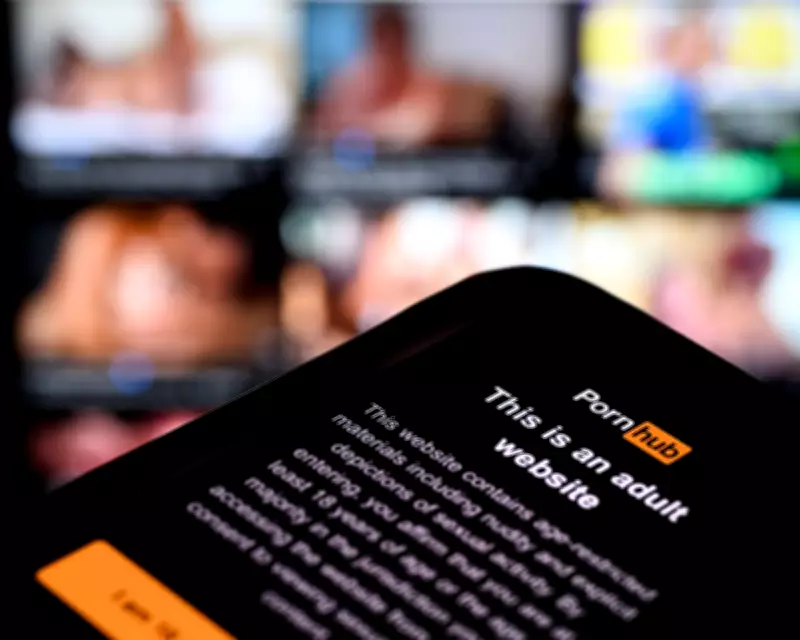
Australia's Porn Age Verification Sparks VPN Surge and Privacy Fears
Australia's new age verification requirements for accessing adult content online have triggered a significant increase in virtual private network (VPN) usage and raised serious privacy concerns among users and experts. The regulations, which came into effect this week, mandate that pornography websites implement strict age verification systems for Australian visitors.
Major Platforms Respond with Restrictions
Several major adult content platforms have responded to the new Australian regulations with varying approaches. Pornhub, one of the world's largest adult websites, now displays only safe-for-work content for Australian users who visit without logging into an account. Meanwhile, other Aylo-owned sites like RedTube have completely blocked access to Australian visitors.
According to search engine optimisation data from Semrush, among the top twenty free adult websites frequented by Australians, only Thisvid appears to have fully complied with the new verification requirements. However, with potential fines reaching $49.5 million for non-compliance, more platforms are expected to implement verification systems in the coming weeks.

User Backlash and Privacy Concerns
Australian users have expressed significant frustration with the new verification processes. Many report invasive requirements, including some platforms demanding video selfies for each piece of content viewed. "Almost every post on my alt account has a content warning and asks me for a selfie for age verification," said one Australian user who requested anonymity. "It's maddening."
Other users have abandoned their usual platforms entirely. "I'm honestly no longer engaging with any of the sites and platforms I used to use because not only is the verification process really invasive, but some of them even give you the option to sign in with Google," said another user. "That's the last platform I'd trust with any sensitive data."
Surge in VPN and Alternative Platform Usage
Google Trends data reveals that searches for pornography in Australia have reached their highest point since COVID-19 lockdowns ended in 2022. Simultaneously, searches for VPN services have hit their highest level since 2015, when the former Coalition government introduced laws allowing piracy websites to be blocked.
VPNs allow users to bypass geographical restrictions by making it appear they are accessing the internet from outside Australia. This workaround has become increasingly popular as users seek to avoid the new verification requirements while maintaining their privacy.
Industry Impact and Creator Concerns
The new regulations are having tangible effects on content creators and the adult industry. Andy Conboi, an OnlyFans content creator based in Sydney, reported a noticeable drop in engagement on his posts. "People don't really want to send a photo of themselves or their licence to these platforms," he explained. "In the group chats I do have with creators, people are just frustrated and annoyed, their engagement is down."
Some creators are shifting to creating safe-for-work content on mainstream platforms like Instagram and TikTok to maintain visibility, despite the irony that these platforms have significant numbers of underage users.
Advocates Celebrate Long-Awaited Victory
For anti-pornography campaigners, the new regulations represent a significant victory after years of advocacy. Collective Shout, a longtime campaigner against pornography, declared the implementation a hard-fought achievement. "It is a relief to know proof-of-age protections are now in place as one obstacle in the way of young people being exposed to rape porn, torture porn, incest porn and extreme violence," said movement director Melinda Tankard Reist.
The Australian Christian Lobby, which has advocated for internet filtering for nearly two decades, also welcomed the changes. "The fact that Pornhub have ceased operating in Australia is already proof of its effectiveness," said chief executive Michelle Pearse.

Security Experts Warn of 'Honeytrap' Risks
Digital rights advocates and security experts have raised serious concerns about the potential risks created by the new verification systems. Tom Sulston, head of policy at Digital Rights Watch, warned that the requirements could create "honeytraps" for Australians' identities and sexual interests.
"It would be absolutely trivial for a criminal to set up porn sites as honeytraps to capture Australians' identities and sexual interests; and then use that material for blackmail," Sulston explained. "Foreign intelligence services looking to trap Australian targets could easily do the same. The age-verification regime puts Australians at greater risk of harm, not less."
International Precedents and Substitution Effects
Research from the United States, where similar age verification laws have been implemented in certain states, provides insight into potential outcomes. Stanford University researcher David Lang examined Google Trends data after verification requirements were introduced and found significant substitution effects.
"We saw very large substitution effects for search traffic for XVideos, which is the second largest porn website in the states," Lang reported. "It's a sufficiently large change that the No 2 site is now the No 1 site in states that passed those laws."
Sex Workers Express Concerns About Safety
Sex worker advocacy groups have warned for years that such regulations could force legitimate sex workers off mainstream platforms and push users toward less secure websites. "We've already warned that these laws will funnel traffic away from platforms that do have moderation safeguards in place and toward sites that profit from non-consensual and stolen porn," said Scarlet Alliance chief executive Mish Pony.
"So driving people off mainstream services, such as Pornhub, does not stop porn consumption, it just pushes it into darker corners of the internet. It makes it harder to address real harms."
The implementation of Australia's age verification system represents a complex intersection of child protection, digital rights, privacy concerns, and industry regulation, with outcomes that will likely continue to evolve in the coming months.