Testing Uber's robotaxi in London reveals a self-driving car with an assertive driving style, a departure from the polite behaviour of previous autonomous vehicles. The trial, run with tech firm Wayve, has been navigating the capital's busy streets.
Booking and Boarding the Robotaxi
Booking a ride is straightforward through Uber's existing app. Despite several of the high-tech cars being parked nearby, the app indicated a seven-minute wait. Once the car arrived, passengers use the app to unlock and open the rear door.
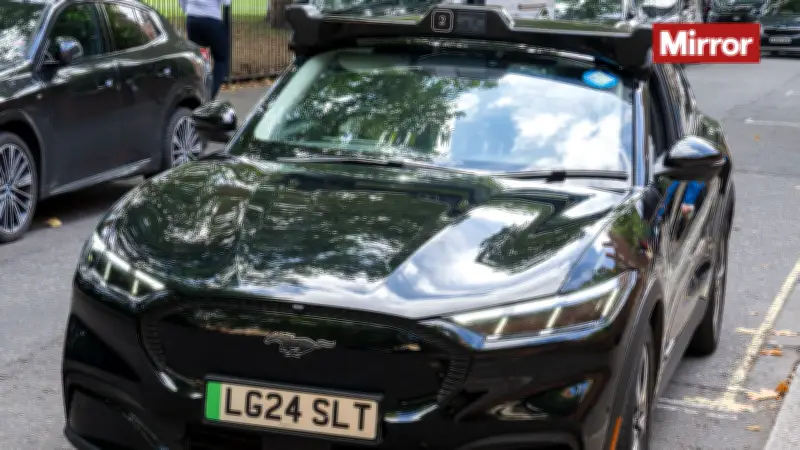
Unlike rival Waymo's trial robotaxis in London, the Uber-Wayve cabs do not stand out. The main external sign of the autonomous kit is a bar across the roof. Inside, it resembles any other Ford Mustang Mach-E, with a flat screen between the front seats where passengers confirm they are ready to depart. The plan is to move to Nissan's new Leaf for the full launch.

Bold Driving Through Central London
The AI driver takes a 'bold is best' approach. It makes swift turns and, at one junction, did not yield to a cyclist wanting to turn right, leaving the cyclist bemused. The car continued assertively past Westminster Abbey, through Parliament Square, into Whitehall, and past the entrance to Downing Street.
At a final turn, a pedestrian on the kerb appeared to hesitate about crossing. The AI driver did not pause, completing the turn and ending the trip.
Safety Driver and Future Prospects
A safety driver remained in the car, with hands hovering in a four o'clock and seven o'clock position under the wheel. Watching the steering wheel turn on its own, with other vehicles nearby, is an odd experience from the back seat.
There may be a rush of people wanting to try this halfway house for its novelty value. However, most will not want to wait long if a human-driven cab is closer, or if the robotaxi ends up costing significantly more.