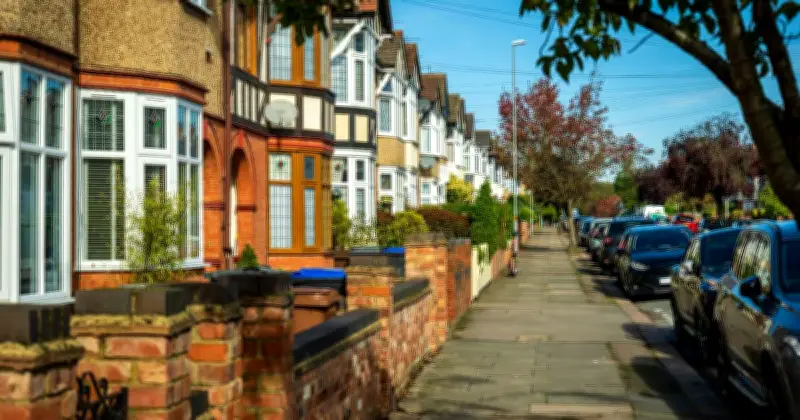
The Government has removed the need for separate planning applications for cross-pavement EV charging, a move that could help eight million households in terraced properties, apartments, or homes without driveways. However, experts warn that approval times may still vary depending on where drivers live.
Planning red tape removed for EV charging
Officials confirmed the removal of separate planning application requirements for properties needing EV charger access but lacking driveways. The change follows a Department for Transport (DfT) consultation on permitted development rights for EV charging, which concluded in January.
The amendment establishes a new permitted development right for cross-pavement charging. Local authorities will retain oversight through existing highways permissions and safety regulations.
Postcode lottery concerns remain
Daniel Briggs, CEO at frontline worker car discount company Motorfinity, said: "Scrapping planning red tape is an overdue win for fair access to EV charging, making it easier for those wanting to make the switch from petrol to EV. That said, the bottleneck hasn't entirely vanished."
He added: "The decision has shifted parking planning permission approval to local highway authorities, which could create a postcode lottery of enforcement. There's a need for a national standard for what counts as a safe way to run a cable across a pavement, without which approval could be quick in one area and very slow in the next."
Safety and cost implications
Briggs warned: "Getting permissions is only half the issue - what happens on the pavement is just as important. Running a charging cable across or under a public walkway is not something to take lightly. Badly placed cables can create trip hazards - this can't be an afterthought."
However, he noted the initiative could boost EV uptake: "Eight million households without driveways will have access to the cheaper overnight smart tariffs that they have missed out on for years. This will also cost them a fraction of daytime charging rates. It is a big deal for the cost of EV ownership and will boost the second-hand EV market too."
Local trials and funding
The Government unveiled a £63 million package earlier this year to accelerate Britain's EV transformation, including a £25 million programme for local councils to expand affordable home charging infrastructure. Cutting-edge cross-pavement systems will allow cables to be installed beneath footpaths, enabling more households to access reduced domestic electricity rates, potentially as little as 2p per mile.
Many local authorities do not yet have policies for cross-pavement charging, with several running trials. North Northamptonshire Council said it does not currently have an adopted policy enabling residents to charge an EV from home when parked on the street, citing highway regulations that do not permit trailing cables across pavements due to risks to pedestrians.
The council plans to trial cross-pavement channels - shallow gullies cut into the footway with a channel lining and lid - to reduce trip hazards. It is also working to install more than 1,500 public charging points over the next three to five years, aiming for at least 80% of homes without off-street parking to be within 250m of a public chargepoint by the end of 2029. The project is funded by £2.895 million from the government's Local Electric Vehicle Infrastructure (LEVI) fund and private investment from Connected Kerb.
Liverpool City Region has secured £9.6m through the LEVI programme, with installation expected to begin from late 2026. In the North East, more than 1,000 homes are set for help through a £1.2m grant fund secured by North East Mayor Kim McGuinness from the government's EV pavement channels grant, available through all local councils in the mayoral area for residents without a drive, garage, or off-street parking.