New campaign finance disclosure data reveals that US political campaigns have spent at least $17 million on AI technology vendors since 2020, according to an analysis of Federal Election Commission (FEC) itemized expenditure reports.
The analysis, covering 523 federal candidates and campaigns, shows AI is rapidly becoming an essential tool in politics, though candidates themselves remain quiet about how they use the technology. A September 2025 Pew survey found that more than 70% of Americans would think less of a candidate who used AI to help write a speech.
Big Tech AI spending patterns
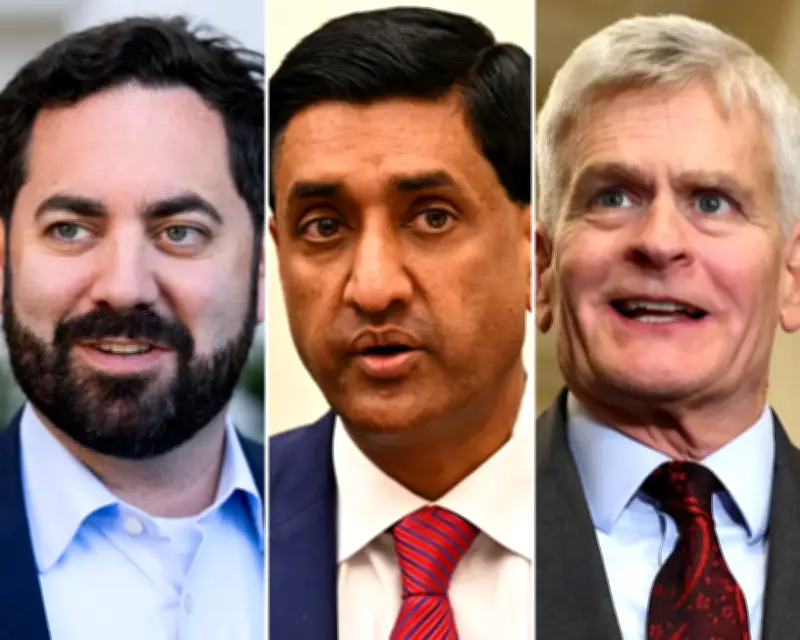
At least 80 federal campaigns and committees have reported spending with OpenAI since 2024, totaling about $50,000, with spending skewing slightly more Republican than Democratic. The Republican National Committee is the largest buyer, with nearly $10,000 in reported expenses. Top individual users include the campaigns of Republicans Mike Lawler, John Kennedy, and Bill Cassidy, as well as California Democrats Ro Khanna and Ted Lieu.
OpenAI's competitor Anthropic has seen usage grow from essentially zero to at least 65 candidates or committees in 2026, with a nearly two-to-one Democrat-to-Republican ratio. The largest individual user is the campaign of Republican Senator Tom Cotton of Arkansas, who reported more than $4,000 in spending. Other major users include Montana independent Senate candidate Seth Bodnar, Jason Knapp, and Alaska Democratic Senate candidate Mary Peltola.
Disclosures show candidates typically use either Claude or ChatGPT, rarely both—only about 12% of campaigns using either tool reported spending with both vendors. In contrast, Elon Musk's xAI has seen meager usage almost entirely from the political right, with just seven federal and two state-level candidates or committees reporting payments totaling about $5,000.
Specialized political AI tools
Specialized vendors for campaign applications attract more spending. AmplifAI, which provides automated text messaging, absorbed $4.7 million in campaign spending in the 2022 cycle alone, used heavily by Democrats including Mark Kelly, Joe Biden, Bernie Sanders, and Adam Schiff. Spending on AmplifAI, now owned by Triller, has tapered off since 2022.
The rising Democratic solution is Daisychain, which has garnered about $300,000 in reported candidate spending in the 2026 cycle, up from $50,000 in 2024. More than half comes from the Senate campaign of Democrat Abdul El-Sayed in Michigan. On the Republican side, Campaign Nucleus, associated with Brad Parscale, has attracted six-figure spending from the Republican National Committee and multiple Trump-aligned PACs, displacing legacy vendor Prompt.io.
State-level and deepfake spending
Across four states studied—California, Colorado, Massachusetts, and Washington—at least $92,000 in spending has been attributed to modern generative AI vendors since 2022, spread across 108 candidates and committees. State-level AI spending in 2026 is already about 10 times the amount reported in all of 2024.
Few candidates report spending on deepfake tools: just six federal candidates or committees reported spending on ElevenLabs, totaling about $1,400, while five reported using Midjourney, totaling about $1,600. However, Wesleyan Media Project data shows at least 164 political ads this cycle included AI-generated media, supported by at least $80 million in ad spending.
These disclosure reports likely represent only a fraction of total campaign AI usage, as spending by political consultants, media firms, and independent committees is not required to be disclosed in the same detail. With much of the cycle's spending occurring in the final weeks before November, the full extent of AI's impact on campaigns and voter decisions remains to be seen.