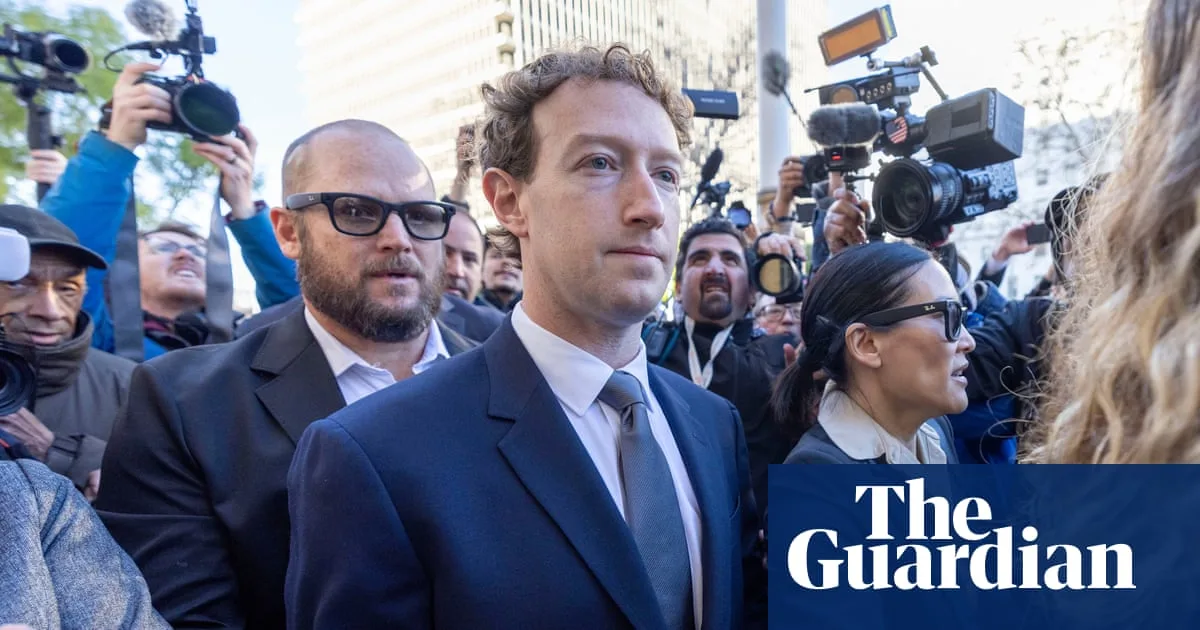
Mark Zuckerberg testified on Wednesday in a landmark trial that accuses Meta of designing addictive social media platforms that harm young people's mental health. The Meta chief was questioned by plaintiffs' lawyers about internal complaints that the company was not doing enough to verify whether children under 13 were using its platforms.
Zuckerberg said Meta had improved in identifying underage users but added: “I always wish that we could have gotten there sooner.” He acknowledged that some users lie about their age when joining Instagram and said the company removes those it identifies as underage. Plaintiffs' lawyers pushed back, asking: “You expect a nine-year-old to read all of the fine print? That's your basis for swearing under oath that children under 13 are not allowed?” Zuckerberg replied: “I don't see why this is so complicated.”
The trial in Los Angeles centres on a 20-year-old woman, identified as KGM, who claims her compulsive use of YouTube and Instagram worsened her depression and suicidal thoughts. Her case is one of about 20 “bellwether” cases designed to gauge jury reactions. TikTok and Snap settled in this initial trial but remain defendants in hundreds of other cases. This is the first time Zuckerberg has faced a jury over child safety concerns, with plaintiffs arguing that harmful design, rather than user-generated content, sidesteps a federal law that usually shields tech companies from liability.

Zuckerberg's testimony came about a week after Instagram CEO Adam Mosseri denied that users could be “clinically addicted”, describing heavy usage as “problematic use”. Meta attorney Paul Schmidt said the company acknowledged KGM's mental health issues but disputed that Instagram played a significant role, citing her difficult home life. Outside court, Zuckerberg wore Meta Ray-Ban glasses, and the judge threatened contempt for anyone recording with them. On entering the courthouse, he told a security guard, “I have a gold chain on.”
Two years ago, Zuckerberg faced similar questions in a congressional hearing, and in January 2024 he apologised to grieving parents. John DeMay, whose son Jordan died by suicide in 2022 after an online sextortion scam on Instagram, called the apology “mostly empty”. The families hope trials will result in large payouts and changes to how social media platforms are designed.