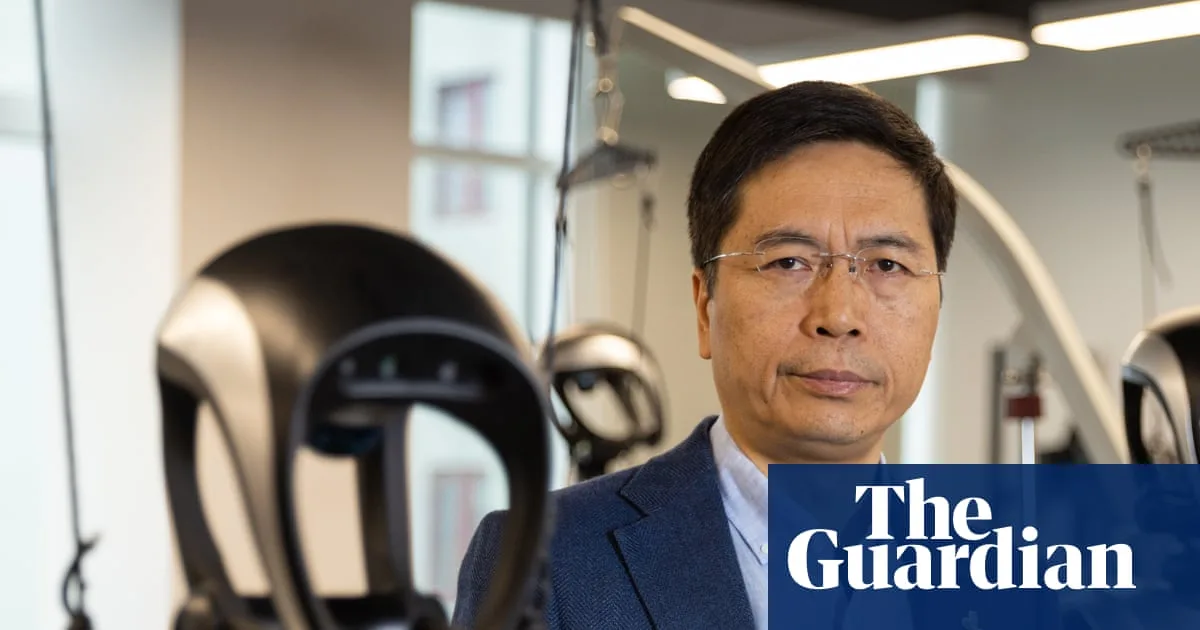
In August 2020, Song-Chun Zhu, one of the world's leading artificial intelligence researchers, left the United States after 28 years and returned to China. Zhu, who had been a professor at UCLA and led a major AI research centre, took up professorships at two top Beijing universities and a directorship in a state-sponsored AI institute. His move surprised colleagues and friends, and was later scrutinised by US lawmakers concerned about his ties to a geopolitical rival.
Zhu's journey began in rural China during the Cultural Revolution, where he grew up in a village supply store run by his father. Exposed to frequent tragedies and poverty, he became determined to leave a record of his life. He left China in 1992 to pursue a PhD in computer science at Harvard, and later built a distinguished career at UCLA, winning major awards and attracting grants from the Pentagon and the National Science Foundation. His research into pattern recognition in data helped lay the groundwork for modern AI systems like ChatGPT and DeepSeek.
Zhu's defection is part of a broader trend of Chinese-born scientists leaving the US amid rising tensions and a hostile environment under the Trump administration. Trump has cut research funding and targeted universities, while Chinese students and professors have faced detentions, deportations, and visa revocations. Despite Trump's $90bn AI hub announcement and vows to win the global AI race, China has also unveiled a national blueprint to integrate AI into its economy, with Zhu playing a key role in advancing the country's AI capabilities.
Now 56, Zhu is a member of China's top political advisory body and has proposed treating AI with the strategic urgency of a nuclear weapons programme. He leads the Beijing Institute for General Artificial Intelligence, where his ideas are shaping undergraduate curricula and pushing the AI frontier.