Big Tobacco Whistleblower Sees Tech's 'Evil' Parallels in Social Media Addiction
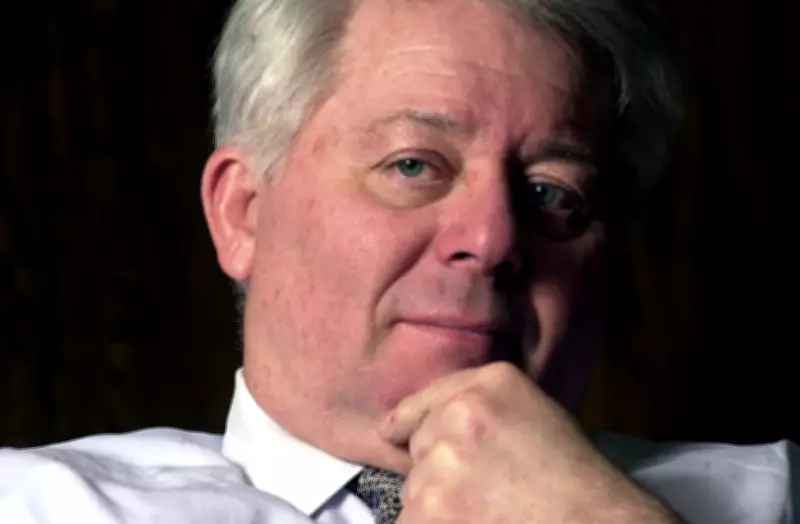
Jeffrey Stephen Wigand, the former vice-president of research at Brown & Williamson who became a pivotal whistleblower in the 1990s tobacco trials, is now observing the legal battles against big tech with a profound sense of déjà vu. In an exclusive interview, Wigand highlighted how social media companies, much like the tobacco industry, deliberately design addictive products and target vulnerable children through sophisticated marketing.
From Cigarettes to Screens: A Familiar Pattern of Harm
Wigand's first reaction to recent high-profile social media trials was immediate: "The first thought was addiction." He pointed to internal documents from companies like Meta and YouTube that reveal targeted advertising strategies aimed at adolescents, mirroring tobacco's historical use of cartoons and psychologists to appeal to young minds. "They're meant for adolescents. That was clearly in their own documents," Wigand asserted, emphasising that both industries exploit children as a cashflow source by fostering dependency.
Legal Accountability and Industry Parallels
Last week, a Los Angeles jury found Meta and YouTube negligent in a case where plaintiffs' lawyers used internal correspondence to show leadership dismissed concerns about harmful features. In a separate trial in New Mexico, Meta was held liable for failing to prevent child sexual exploitation. These verdicts mark the first time Meta has been found responsible for impacts on young people, following years of parental outcry over mental health harms.

Wigand sees direct parallels to the tobacco industry's downfall. "Social media companies knew it was addictive. They knew they had to create a base that was easy to manipulate. They chose children, just like the tobacco companies," he explained. He noted that children's malleable brain development makes them particularly susceptible to addiction, where tolerance builds and more engagement is needed for the same effect.
Whistleblowers: Catalysts for Change
Just as Wigand's disclosures helped the US government secure a $365 billion settlement from tobacco firms, whistleblowers like former Meta employee Arturo Béjar have been instrumental in social media cases by providing critical internal documents. Wigand recounted his own experience: after warning B&W's CEO about carcinogenic additives and being ignored, he was fired and later testified that the industry was a "nicotine delivery business." He faced death threats and required Secret Service protection, underscoring the personal risks whistleblowers endure.
Road Ahead: Safeguards and Ethical Reckoning
Wigand believes logical guardrails, such as raising the minimum age for social media access, could mitigate harm, similar to tobacco reforms. However, he cautioned that "social media knew what it was doing all along and expected to get away with it," suggesting more payouts and accountability may follow. He also addressed concerns about free speech limits, stating that corrective action is necessary despite potential trade-offs, and admitted he "always considered social media evil" and never allowed his children to use it.
A Message to Tech Workers
Reflecting on his moral duty, Wigand urged tech employees to consider their role in potential harm. "You have to balance out: what is your career worth, versus what your soul or character is worth," he advised, encouraging those with knowledge of unethical practices to come forward. He warned that whistleblowing irrevocably changes lives but can save others, concluding: "I've done what I believe is right."
As big tech faces increasing scrutiny, Wigand's insights underscore a troubling continuity between industries that prioritise profit over public health, with children often paying the highest price.