The Politeness Paradox: Why Do We Say 'Please' to Alexa?
A curious reader from Toronto has ignited a fascinating discussion in the Guardian's long-running 'Notes and Queries' series. Alison Williams poses a simple yet profound question: "I always say please and thank you to my Alexa. Why is this? I am sure it doesn't care. Is it worth being polite to artificial assistants?"
Exploring the Human Instinct Behind Digital Courtesy
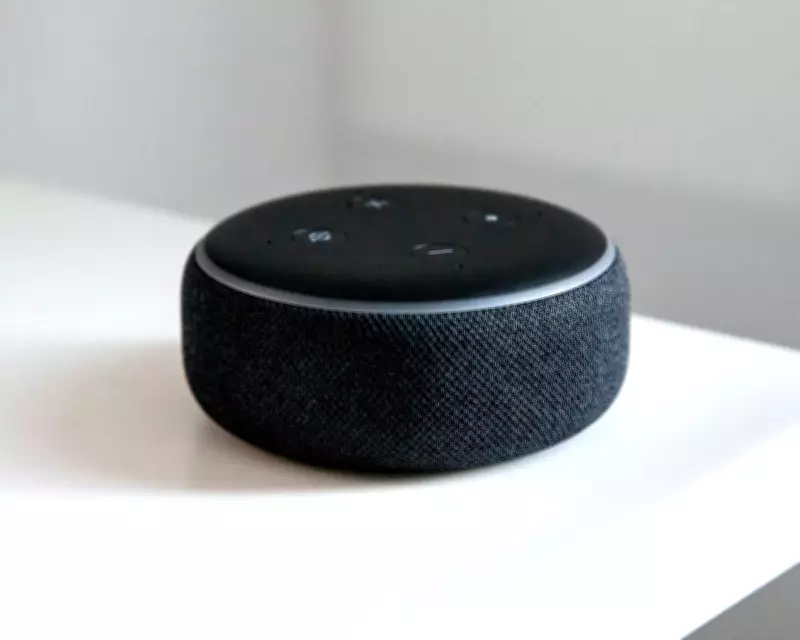
This inquiry taps into a broader philosophical and social debate about human interaction with technology. While voice assistants like Amazon's Echo Dot are programmed algorithms without feelings, many users instinctively treat them with the same courtesy they would extend to a human. Experts suggest this behaviour may stem from anthropomorphism—the tendency to attribute human traits to non-human entities—or from ingrained social habits that are hard to break, even when dealing with machines.
The Guardian's series, which invites readers to answer each other's questions on topics ranging from trivial curiosities to deep scientific concepts, has previously tackled issues like whether authority figures can halt wars. Now, it turns its attention to the digital realm, where the lines between human and machine interaction are increasingly blurred.

The Implications of Politeness in AI Interactions
Some argue that being polite to AI assistants is a harmless, even beneficial practice. It could reinforce positive social behaviours, especially in households with children who might mimic such etiquette. Others contend it's pointless, as these devices lack consciousness and merely process commands based on programming. The debate raises questions about how our interactions with AI might shape future societal norms and the development of more advanced, empathetic technologies.
Readers are encouraged to post their responses or submit new questions to the Guardian's editorial team, with a selection to be published in the upcoming Sunday edition. This ongoing dialogue highlights the growing relevance of AI in daily life and the ethical considerations it brings.
As AI continues to integrate into homes and workplaces, discussions like these become crucial for understanding our relationship with technology. Whether it's saying "please" to Alexa or pondering the limits of artificial empathy, these conversations help navigate the evolving landscape of human-machine interaction.