Should We Be Polite to Voice Assistants and AIs? Readers Respond
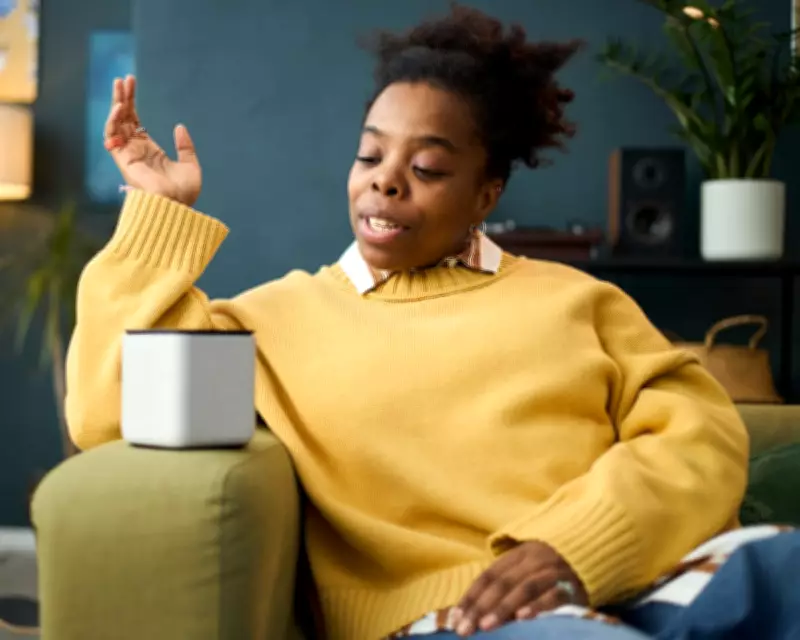
The long-running series where readers answer questions on topics from trivial flights of fancy to profound concepts continues. This week, a query from Alison Williams in Toronto: "I always say please and thank you to my Alexa. Why is this? I am sure it doesn't care. Is it worth being polite to artificial assistants?" Readers have shared diverse perspectives, sparking a lively debate on the etiquette of interacting with technology.
Arguments Against Politeness: Machines Are Not Sentient
Many readers argue that treating AI as sentient is misguided. User30000 states, "No, do not treat these devices as sentient life. They are designed to imitate our social behaviours, but we should not begin to think of the imitation as real." They caution against humanising machines, noting that language can lead to dehumanisation in other contexts. Similarly, Doug Aberdeen highlights the environmental cost, pointing out that processing polite niceties uses extra energy and water, contributing to waste in an already energy-intensive AI industry.
Arguments For Politeness: Habit and Human Development
On the other side, readers emphasise the importance of maintaining politeness as a human default. lauk suggests, "It's good to maintain the habit of politeness as a human default setting." They add that AI learns from our cues, so providing pleasant interactions could influence its behaviour. Porridgeoates expands on this, noting that rudeness towards AI can bleed into human relationships, especially among younger people who spend significant time with technology. They argue that politeness helps nurture empathy and emotional intelligence, benefiting interpersonal interactions.

Practical Considerations and Humorous Takes
Some readers offer practical insights. Tobias shares experiences with AI programs like Perplexity, which respond positively to politeness and even display a sense of humour, though they remind themselves it's just a computer. Others inject humour, with TopGyre joking about thanking elevators or sending flowers to SUVs, and EddieChorepost adding a quip about tipping servers. Martin from Dorset philosophises, "Politeness is good for the soul. The fact that Alexa doesn't have one doesn't matter – your soul is the one being corroded."
Broader Implications and Future Directions
The discussion touches on broader issues, such as the environmental impact of AI and the psychological effects of habitual behaviours. Readers like superspartan urge minimising pointless interactions to reduce waste, while Louise warns that rudeness models base character flaws. As AI becomes more integrated into daily life, this debate highlights the need to balance technological efficiency with human values, ensuring that our interactions with machines reflect the society we wish to build.