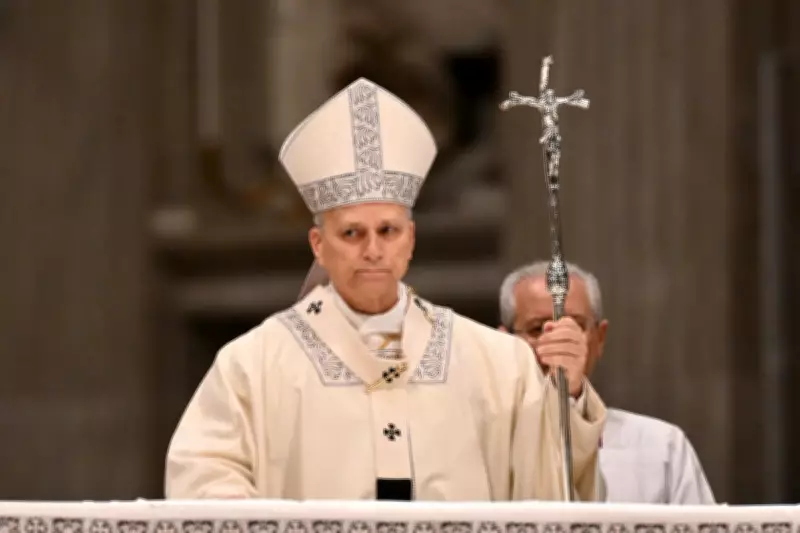
Pope Leo XIV has issued a series of stark and urgent warnings regarding the rapid advancement of Artificial Intelligence, expressing profound concerns that this technology could fundamentally alter human civilisation as we know it. The pontiff's apprehensions centre on AI's potential to invade personal intimacy and significantly diminish humanity's innate ability to comprehend deeper meaning and purpose.
The Core Fears of the Catholic Church
Catholic theologians and thinkers are amplifying these warnings, highlighting a specific and troubling possibility. They argue that AI's unparalleled capacity to remove "friction" and effort from daily life might paradoxically lead to increased human isolation. This erosion of necessary struggle, they contend, could result in a profound loss of essential human experiences and the deterioration of meaningful interpersonal relationships.
Learning from Past Technological Encounters
The Church is not approaching this new frontier blindly. It is actively engaging with the development and implications of AI, drawing critical lessons from its past experiences with the rise of social media platforms. The focus of this engagement is intensely philosophical, examining the technology's potential impact on human consciousness and its alarming capacity to foster new forms of idolatry, where technology itself might be worshipped.

A Debate on Spiritual Resilience
Within Catholic circles, a significant debate is unfolding. One perspective holds that the faith's rich tradition of embodied rituals—physical acts of worship, sacrament, and community gathering—will act as a natural safeguard against the disembodied nature of AI. These tangible practices, it is argued, provide a resilience that purely digital interactions cannot replicate.
However, a countervailing fear persists among other church figures. They worry that the sheer convenience and efficiency offered by AI systems could prove an irresistible temptation. This might lead individuals to gradually replace traditional spiritual disciplines, prayer, and active community engagement with streamlined, algorithmic alternatives, thereby hollowing out the core of religious practice.
Navigating an Uncertain Future
Despite acknowledging these significant risks and the potential for severe negative consequences, a thread of cautious hope remains woven through the Church's response. Some influential Catholic voices maintain that Christianity's historical resilience, coupled with enduring human wisdom and ethical discernment, will provide the necessary tools to navigate the complex challenges posed by artificial intelligence. The path forward, as seen from the Vatican, involves vigilant engagement, ethical scrutiny, and a steadfast commitment to preserving the irreplaceable elements of the human experience.