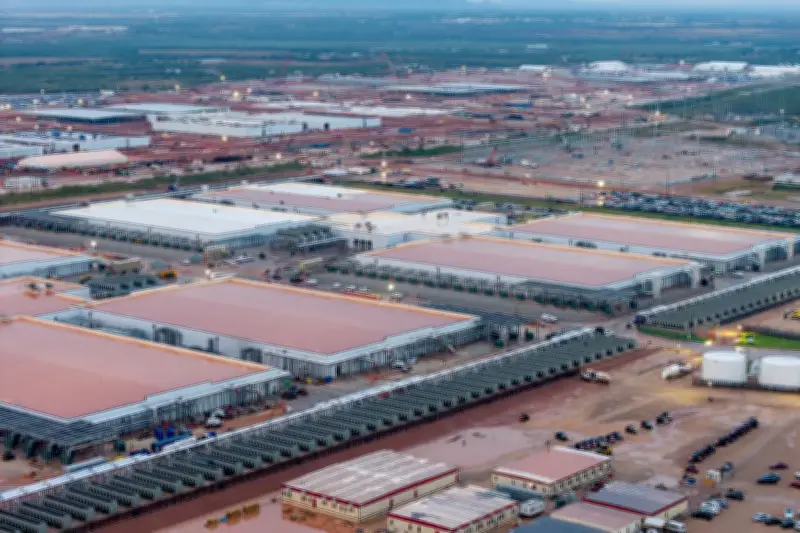
Fears of a looming AI 'debt bomb' crisis are exaggerated, according to Gene Marks. Some experts warn that big datacenter builders such as Meta, Oracle, xAI and CoreWeave are raising billions to construct facilities without recognizing these long-term debt obligations on their balance sheets. Marks, who says he has 'seen this movie before,' argues the risks are different than in the past and are recoverable.
How Off-Balance-Sheet Financing Works
The process involves a company like Meta forming a separate entity, not consolidated in its financials, to build a datacenter. This entity raises money from investors, banks and financial firms, including some from Meta, which own the majority. A contract gives Meta exclusive and full use of the datacenter once built, allowing it to avoid showing most of the debt as a liability.
The Financial Times reported in December 2025 that tech companies had shifted more than $120bn of AI datacenter spending off their balance sheets through special-purpose vehicles. Goldman Sachs estimates hyperscalers could spend $5.3tn on AI and datacenters through 2030, with private markets playing an increasingly important role in financing.

Why This Isn't Enron
Skeptics point to Enron's 2001 failure, which caused tens of billions of dollars in shareholder losses and a historic market meltdown. Marks acknowledges the need for scrutiny but says, 'Don't call them Enron. Enron caused the Enron crash. It's highly unlikely that fraud at that level is being perpetuated now by these companies.'
Marks recalls his early accounting career with biotech firm Centocor in the mid-1980s, which used off-balance-sheet financing through limited partnerships to fund drug development. Hundreds of millions of dollars were plowed into these partnerships, a common practice at the time. Some drugs failed clinical testing, but it did not cause a stock market panic. The accounting has evolved, though the economic idea has stayed the same.
Today's Risks Are More Recoverable
Today's off-balance-sheet strategies involve significant disclosures and intense scrutiny, Marks notes. Unlike the biotech companies developing products with a high probability of failure, today's investors finance land, buildings, electrical infrastructure and computing equipment. A datacenter can disappoint financially but doesn't disappear because a clinical trial fails.
Jeff Bezos calls AI an 'industrial bubble,' which leaves things behind like railways, fiber-optic cable and factories. Developers increased North American capacity by 36% last year, yet vacancy fell to a record 1.4%. According to CBRE's North America Data Center Trends H2 2025 report, demand is outpacing supply in nearly every major market. Microsoft estimates only 17.8% of the world's working-age population currently uses generative AI.
Some investments will fail, some lenders will lose money, and some datacenters will be worth less than their owners paid. But these financing structures exist to spread enormous capital requirements and risk among willing investors. The obligations are disclosed, the assets are real and demand for computing capacity remains strong. Marks concludes: 'I see financial engineering, yes. I don't see a debt bomb.'