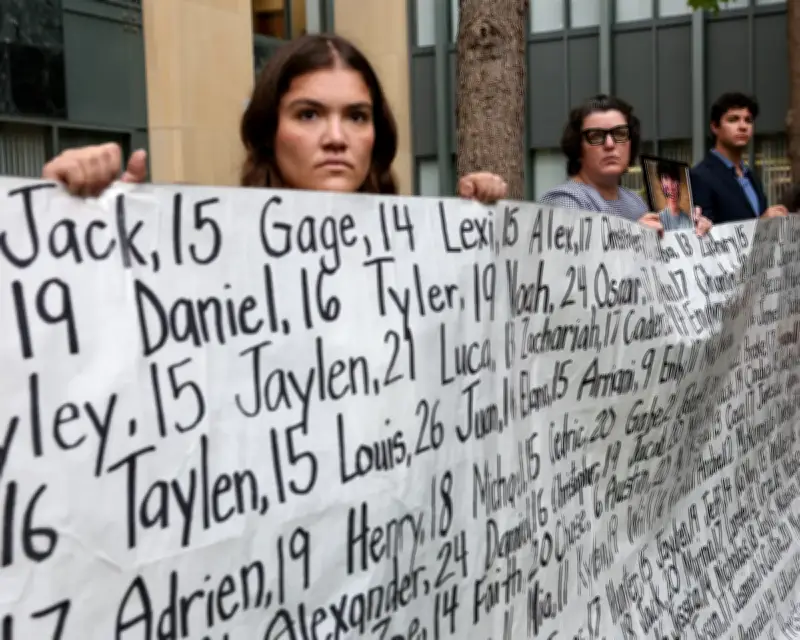
Opening arguments began on Tuesday in a major trial against Meta, the parent company of Facebook and Instagram, in which 29 US states claim the platforms were designed to be deliberately addictive and targeted at children. The attorneys general are seeking $200bn in damages, an amount equal to the company's annual revenue.
The case and its background
The trial follows a bellwether case earlier this year, in which a Los Angeles jury found Meta and YouTube liable for deliberately designing an addictive product that had negative effects on the mental health of a single young claimant. That case awarded the claimant $6m and opened the door for this and other litigation.
At about the same time, Meta was forced to pay a total of $942m in a separate trial in New Mexico, which focused on whether the company was aware of and took measures to prevent child sexual exploitation on its platforms. The new litigation focuses less on child exploitation and more on the fundamental design of Meta's platform, particularly the algorithm that ranks content in users' feeds.

Potential consequences and expert opinions
Kate Winick, an analyst at Forrester, said the trial was "potentially the end of social media as we know it" and, while a ruling against Meta would not permanently kill the industry, it could "significantly reduce usage over the long term".
Meta has said in a court filing that the damages could amount to $1.4tn, just short of the company's market capitalisation, but the judge has called that estimation "unreasonable". A more realistic risk for the company may be permanent changes to how its social networks operate, as the recommender algorithm is the engine for its entire business, which is essentially digital advertising.
Steven Murdoch, a professor at University College London, said changes to the algorithm might not alter how Facebook advertises but could reduce engagement, which could gravely reduce its opportunity to advertise to users. He noted there is "a plausible path" for global changes to the algorithm, but he is not convinced the things plausibly asked for will be devastating for the company.
Comparisons and Meta's response
The case draws comparisons to past actions against big tobacco. In 1994, more than 40 US states sued tobacco companies over misleading advertising and public health impacts, leading to a negotiated settlement where companies agreed to pay more than any industry ever. In another landmark case, the US government sought $289bn from major tobacco companies, but the demand was modified to $14bn over 10 years, and the companies continued doing business.
A Meta spokesperson said: "The state AGs may call this a landmark case but their limited claims are unsubstantiated and their financial demands are vastly disproportionate. Rather than sticking to the facts or the law, the states have instead decided to chase an outlandish payout. We stand by our record of creating strong protections for teens, and look forward to making our case in court."