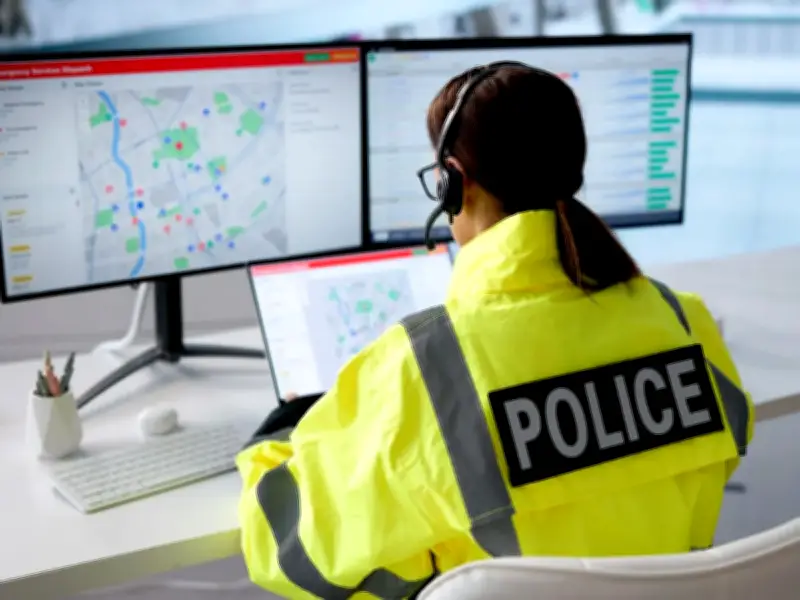
Artificial intelligence is set to end "ridiculous" time-wasting calls to police, including complaints about slow pizza delivery and pub service. The Home Office is rolling out new software to handle nuisance, prank, and misdirected calls, which is expected to save forces millions of pounds each year.
Recent absurd calls reported
Last month, a member of the public contacted the Met Police to discuss changing electricity provider, while Nottinghamshire Police received a call about a lost umbrella on July 27. Someone also rang Humberside Police asking for a lift the following day. Greater Manchester Police dealt with a call seeking tax advice last month, and other nuisance calls included complaints about delays to pizza deliveries, a takeaway running out of food, and slow service at a pub.
Government estimates and savings
The government estimates that around one in five of the 20 million calls to the non-emergency 101 number are not related to policing. The new call-routing system, using AI, will address these and save £8.5 million a year. AI tools will direct people to the correct service, including councils and the NHS.
Minister and police reaction
Crime and Policing Minister Sarah Jones said: "Police call handlers are wasting hours fielding calls meant for other organisations. Every minute spent on these calls is time taken away from helping people who genuinely need their support. AI is already helping police catch dangerous criminals and speed up investigations. Now, it will help bring control rooms into the 21st century, freeing up time and unlocking millions of pounds. Forces can reinvest those savings into tackling the crime on our streets."
There are no plans to roll out AI software for 999 calls, which will continue to be handled by call handlers. The new system has been developed by the Home Office and National Police Chiefs' Council, working with Vodafone Business.
How the system works
Non-police issues will be redirected to the correct service, while relevant callers will join a queue. During a pilot by 15 forces, calls about fly-tipping, noise, and damage-only road crashes were referred to the correct place. The Home Office said if the system is in doubt about the reason for a call, it will be passed to police without delay.
Assistant Chief Constable Stuart Hooper, the National Police Chiefs' Council lead for contact operations, said: "It'll help forces manage demand more effectively, freeing up call handlers to focus on those who genuinely need police support. By reducing unnecessary call handling, this system marks a major step forward in modernising how the public interacts with policing – making services more efficient, responsive, and easier to navigate."
John Hayward-Cripps, chief executive of the Neighbourhood Watch Network, said: "Neighbourhood Watch volunteers and supporters have long fed back on the delays and poor service from the overloaded 101 service reported to them from local members of the public. This new AI call-routing system is a practical step towards a faster, smarter and more responsive 101 service."
The new system will be introduced using £1.4 million of government funding. The Home Office said the 101 line receives around four million calls each year that should be directed to organisations like councils, the NHS, or the power outage helpline. It stated: "However, the line also receives ridiculous reports on issues from delayed pizza delivery to slow pub service and requests for a lift, wasting vital time that police should be spending tackling crime."