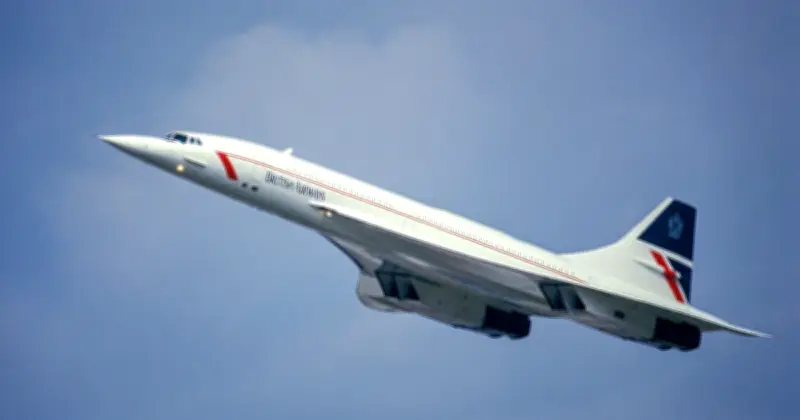
NASA's X-59 aircraft, known as the 'Son of Concorde', has successfully broken the sound barrier without producing the traditional sonic boom, marking a significant step toward reviving supersonic passenger travel. The experimental jet could reduce flight time from London to New York to under four hours.
First Supersonic Flight
On June 5, the X-59 took off from Edwards Air Force Base in California and reached nearly Mach 1.1 (713 mph) during an 81-minute test flight at an altitude of 43,400 feet. This was the first time the aircraft exceeded the speed of sound.
Michael Kratsios, assistant to the president for science and technology, said: “The X-59’s first supersonic flight is a testament to America’s enduring leadership in science, engineering and aerospace innovation.” NASA administrator Jared Isaacman added that the plane was preparing for its “quiet supersonic debut.”

Faster and Higher
On June 12, the X-59 flew even faster, reaching Mach 1.4 (about 924 mph) at an altitude of 55,000 feet. Larry Cliatt, a NASA aerospace engineer leading the Quesst mission, said: “It was a huge deal for us.”
For comparison, Concorde had a maximum cruising speed of Mach 2.04 (1,354 mph) and could fly from London to New York in about three hours. Conventional commercial flights take seven to eight hours for the same route.
Quiet Supersonic Technology
The key innovation of the X-59 is its ability to break the sound barrier with a gentle “sonic thump” instead of a loud boom. This is achieved through its sleek design—just under 100 feet long—with the engine mounted on top to direct shockwaves upward, and a streamlined underside to reduce noise.
Since April 27, 1973, the Federal Aviation Administration has banned supersonic flight over the US due to disruptive sonic booms. NASA hopes the X-59's quiet supersonic technology will lead to a reversal of that ban, enabling high-speed passenger travel over land.
Future Plans
Further test flights will be conducted over the US to gather public feedback on the perceived noise levels. NASA aims to use this data to help regulators reconsider supersonic flight restrictions. If successful, the X-59 could pave the way for commercial supersonic aircraft that shrink travel times between major cities like New York, London, and Washington DC to under four hours.