Exclusive: Molly Russell's Father Locked Doors, But Algorithms Invaded Her Bedroom
Molly Russell's Dad Locked Doors, But Algorithms Invaded Bedroom

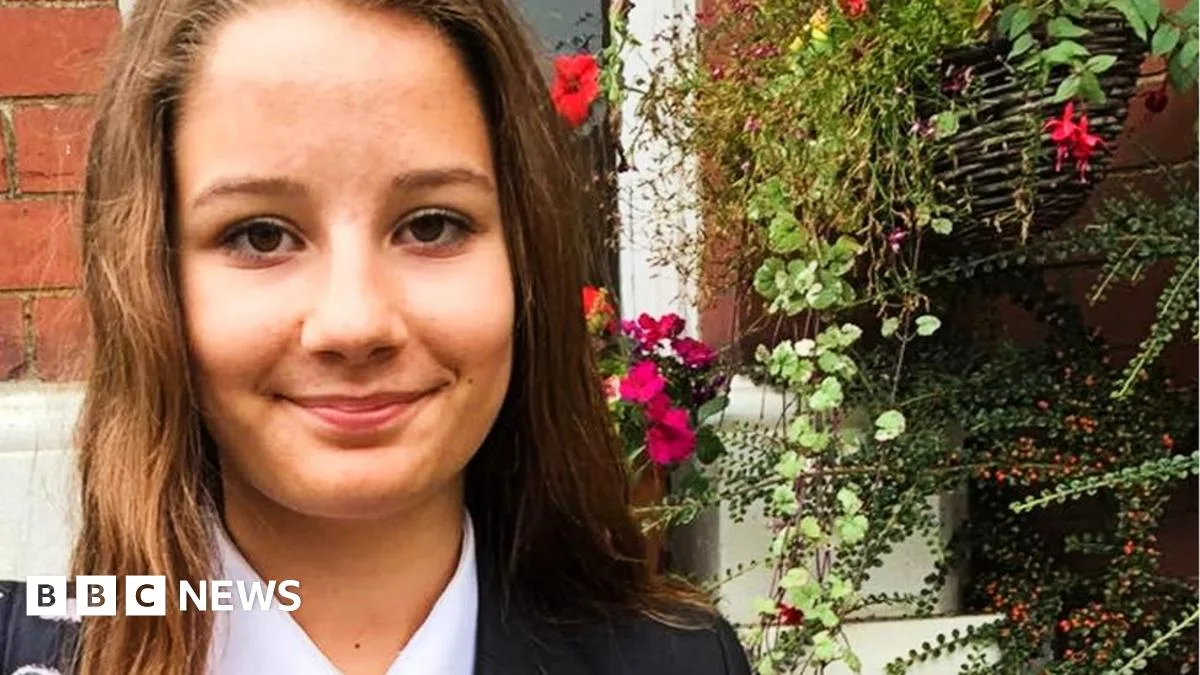
When Ian Russell securely locked his front door each night, he believed his fourteen-year-old daughter Molly was safely protected in her upstairs bedroom. Tragically, the father was unaware that dangerous social media algorithms were relentlessly targeting the vulnerable teenager with streams of harmful material within her private space. In November 2017, this dark digital world overwhelmed Molly, leading her to take her own life.

A Harrowing Documentary Exposes Algorithmic Dangers

This Thursday, a powerful documentary titled Molly vs THE MACHINES will air on Channel 4, meticulously detailing how technology firms' unstoppable algorithms inundated the teen with thousands of posts concerning suicide, self-harm, and depression. Ian Russell states unequivocally in the film, "I have no doubt that these companies helped kill my daughter." The documentary is scheduled for broadcast on Thursday, March 5, at 9pm.

Viewers will be transported into a meticulous recreation of Molly's bedroom in Harrow, north London, where horse posters adorn the walls beside a dressing table and desk. The film depicts the disturbing power of algorithms as a shadowy presence insidiously creeping into the isolated teenager's personal sanctuary.

The Illusion of Safety in a Connected World

In an exclusive interview with The Mirror, bereaved father Ian Russell explained the critical security gap created by smartphones. "In the offline world, we take steps to protect ourselves. We have front doors that lock and we ensure they're locked before bedtime. However, if you provide a child with a smartphone that remains with them overnight in their bedroom, that security is breached. It opens a window to the outside world through which harmful content can be delivered," he said.

After Molly's death, the family discovered a "hidden side" to her through her social media accounts. Mr. Russell recounted, "It was shocking because it was so unlike the Molly we knew. Molly died feeling desperate... She believed she was a hopeless case with no possibility of improvement. Worst of all, this most adorable person thought she was a burden to those she loved. Those feelings originated from the content she consumed on her phone."

Landmark Inquest Reveals Shocking Scale of Exposure

A landmark 2022 inquest into Molly's death, which could not be filmed, determined that online harms "contributed to her death in a more than minimal way." The proceedings revealed that Molly had interacted with over 2,000 harmful posts on Instagram during just the final six months of her life.

"That endless stream of content affected my mood when I saw it," Mr. Russell revealed. "It impacted the expert witness at the inquest, who reported trouble sleeping after viewing some material Molly had seen. It affected everyone in the courtroom who witnessed it."

Reenacting Corporate Testimony and Friend Testimonies

The documentary employs actors to bring the coroner's court to life, recreating the historic moment when a senior Meta executive, Elizabeth Lagone, gave sworn evidence in a UK court for the first time. An actress portraying Lagone maintains that posts described as "encouraging" suicide or self-harm were actually safe.

Molly's friends, now in their early twenties, also appear in the film, expressing their shock at the hidden world consuming their friend and acknowledging it could have been any of them in her position. One friend poignantly asks, "How many Mollys does it take for them to realize this is wrong?"

Questioning Silicon Valley's Priorities

When asked about Silicon Valley's tech billionaires, Ian Russell questions whether they retain any "human heart." He states, "I cannot comprehend how the decisions they've made in operating their immensely profitable platforms demonstrate any remaining humanity. It is increasingly clear they prioritize profit over safety."

Despite social media firms' promises to improve following Molly's tragedy, research from the Molly Rose Foundation—a charity established by her family—indicates harmful content remains accessible online. "I've learned to judge them not by their words, which can sound promising, but by their actions," Mr. Russell asserts, wearing an MRF bracelet during the interview.

A Call for Effective Regulation Beyond Simple Bans

Mr. Russell distinguishes himself from some other bereaved parents by opposing a social media ban for under-16s, arguing it creates a "false sense of safety." Early evidence from Australia's ban suggests young users migrate to other platforms to circumvent restrictions. "We must move beyond bans to more stringent, effective measures," he insists.

He views the UK government's consultation on online harms as "really important" and believes the Online Safety Act provides a "strong foundation" for progress. "We can enact change and prevent these platforms from disseminating the harm they still propagate to young people today. We must not lose hope," he concludes, emphasizing that deaths like Molly's are preventable with proper safeguards against harmful algorithms.