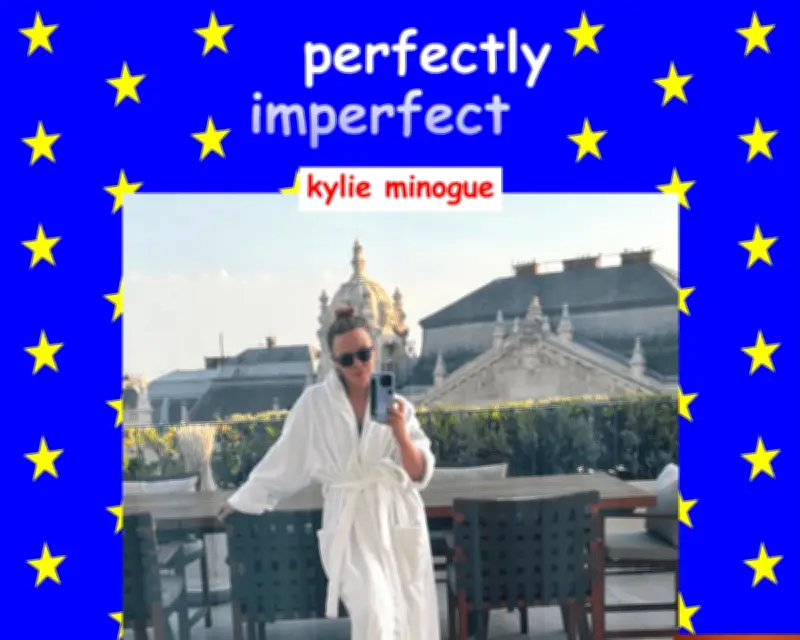
In a digital landscape often described as a depressing hellhole of cortisol-spiking content and AI-generated slop, Emma Beddington offers a modest corrective: the newsletter Perfectly Imperfect. This daily publication documents the idiosyncratic likes of public figures, from Kylie Minogue's fondness for washi masking tape and fresh wasabi to Francis Ford Coppola's preference for Hawaiian shirts and halva. The featured individuals, mostly US artists and musicians, are not always household names for a 51-year-old British woman, but their preferences are deeply personal and often unappealing—such as cracking knuckles against one's jaw or a cocktail of Aperol, milk, creamer, and olives.
The Allure of Peculiar Preferences
Beddington's fascination extends beyond Perfectly Imperfect. New York magazine's Strategist section regularly showcases bizarre celebrity essentials: Lena Dunham's love for tiny ornamental mice and clicker-training her pigs, or Kristin Scott Thomas's fondness for toe rings and dog poo bags. US literary event organizer Dream Baby Press produces love and hate lists where notables share very personal preferences—David Sedaris loves feeding crows with hard-boiled eggs and hates British women painting their nails on trains; Richard Gadd loves slapping supermarket watermelons and hates how his dad eats yogurt.
What drives this curiosity? Beddington admits a prurient interest in famous lives, but she is equally hungry for anyone's weird pleasures and pet peeves: Ayo Edebiri's favorite tinned fried mussels, Chanel Beads' love of clapping, or chef Clare de Boer's hatred of store-bought broth. Even recommendations from non-famous readers, like blue drinks and a YouTube clip of a woman terrified of cotton wool balls, captivate her.
Tasteslop: The Threat of AI Homogenization
Beddington situates this fascination against a backdrop of cultural pessimism about taste. As reported in a recent New York Times debate, Silicon Valley is showing a new interest in being cool and mastering taste through AI. This supercharges the phenomenon of online flattening and homogenization of aesthetics, identified a decade ago by journalist Kyle Chayka as "AirSpace." Trend forecaster Emily Segal has dubbed the 2026 version "tasteslop"—bland, generative AI-powered, algorithmically amplified tastes.
While no one relishes the idea of code dictating preferences, Beddington acknowledges the secret relief this fatalism can bring. Taste is a source of anxiety and insecurity for many, including her. She admits to watching prestige dramas nudged by algorithms or painting walls in warm neutrals seen online thousands of times. Tasteslop may be generic and soulless, but it is reassuringly recognizable—if everyone gives in, she is off the hook.
Individuality as Antidote
Yet that is precisely why Beddington relishes assertions of individuality. The peculiar likes and dislikes of others are too weird to feel intimidating, unlike exquisitely curated expressions of taste. They serve as a reminder that humans are fascinating and surprising in ways algorithms and large language models will never fathom. They spark curiosity about what she actually likes: she could not finish the ultra-hyped novel Lost Lambs but devours any 1940s children's stories about ponies; she loves male soprano Bruno de Sá singing baroque arias, the backgrounds of Flemish primitive paintings, Seabrook sea-salted crisps, and saints' relics—the grosser the better.
Beddington invites readers to share their own peculiar preferences, celebrating the human capacity for surprise and individuality against the encroaching tide of AI-driven homogeneity.