The Rise of AI-Mediated Communication Among Young Adults
In a revealing exchange that highlights a growing generational gap, a Boomer's simple invitation to watch an episode of MasterChef was met with a Gen Z response crafted by artificial intelligence. "Hey… I'm noticing I don't quite have the capacity for TV right now, but I really appreciate you thinking of me," came the reply, which the Boomer noted required "zero brainpower." This interaction underscores a broader trend: nearly 50 per cent of Generation Z individuals are turning to ChatGPT to handle difficult conversations, a practice dubbed "emotional outsourcing."
From Breakups to Rejections: AI as a Social Crutch
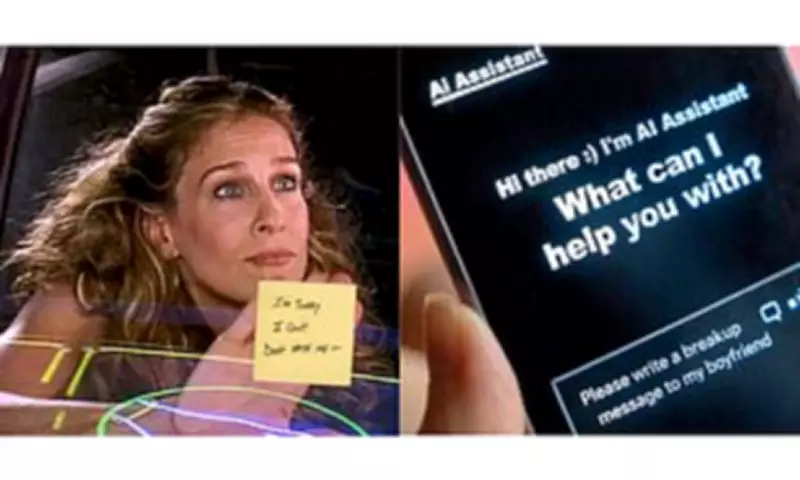
According to a survey by dating app Wingmate, a staggering 41 per cent of young adults have used AI to compose breakup messages. This shift away from face-to-face confrontations or even traditional methods like Post-it notes—famously depicted in Sex and the City—has sparked debate. One Yale student reportedly used ChatGPT to reject a setup, producing a six-paragraph text filled with what tech site Futurism calls "ChatGPTisms." The verbose response included lines like, "While I'd love to hang out more – whether it's just as friends or whatever it was we were this weekend – I'm not looking for anything too serious right now." Critics argue this approach is "sterile" and "wishy-washy," lacking the directness of older methods such as, "This isn't going to work. Best of luck."
Emotional Intelligence or Social Offloading?
Futurism suggests that Gen Zs are "socially offloading" hard conversations to AI to "overcompensate" for what some perceive as stunted communication skills. This extends beyond dating; TikTok users share stories of uploading relationship disagreements to ChatGPT for conflict resolution, with the AI determining who is wrong. Proponents claim AI offers "compassionate" support, with one viral TikTok boasting 30,000 likes stating, "There's literally never been a better time to go through a breakup because now you have an assistant with you 24/7." However, skeptics liken this to relationship counselling by computer, questioning its authenticity compared to human empathy.

The Generational Clash Over Communication Norms
The Boomer in the original dialogue expressed frustration, noting that in their day, difficult messages were handled over a drink in the pub or with straightforward honesty. They mocked the AI-generated responses as lacking the "human touch," exemplified by a humorous adaptation for dumping a Bros fan club boyfriend: "I don't think I can emotionally compete with When Will I Be Famous? on a daily basis." Gen Z defenders argue that AI helps avoid the "aggy" (aggressive) tones associated with older generations, making interactions more respectful. Yet, this reliance on technology raises concerns about emotional intelligence and the erosion of personal communication skills.
As the debate continues, one thing is clear: the integration of AI into daily social interactions is reshaping how generations connect and conflict. Whether this trend represents a innovative tool for "respectful uncoupling" or a troubling departure from genuine human engagement remains a point of contention, with implications for relationships, mental health, and societal norms.