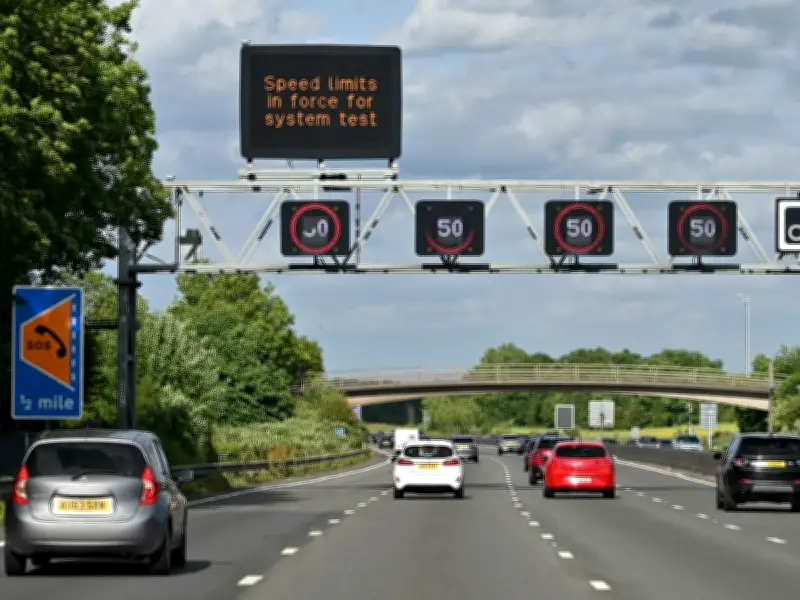
Cars could be automatically slowed down if they exceed the speed limit by EU-controlled AI satellites under radical plans. Power limiters installed on new vehicles would allow the bots to slow down vehicles remotely from space.
European Commission Considers Satellite Speed Control
European Commission (EC) chiefs are considering using the technology to control motors' speed limits. However, campaigners fear the technology could also be hacked by criminal kingpins and spark mayhem on the roads.
Brian Gregory, from The Alliance of British Drivers, fumed: "It's absurd. This has the potential to cause accidents, not solve them. People will still not look and fail to observe and crashes will still happen. This is the nanny state gone too far. These people think they can control everything, but they're not looking at the right evidence."

Political Backlash Over 'Big Brother' Plans
Shadow transport secretary Richard Holden MP said the move is "a recipe for Big Brother." He added: "Is this not another means by which foreign actors armed with increasingly powerful AI can hack into our everyday lives and cause chaos? Could a future version even prevent certain people driving in certain areas?"
Holden reckons such a system could have "catastrophic consequences" for road users, adding: "There might become a dystopian day when we long to be rid of the tyranny of automation."
How the Technology Would Work
The tech would allow satellites to track a car's location and intervene if it enters an area with a lower speed limit, forcing it to drop to, say, 20mph. Under the proposals it would be made mandatory for vehicles in the EU by 2030.
UK Exempt but May Align
Britain would be exempt because of Brexit but could also align with the rules over time if they're proven to save lives and improve congestion. An EC spokesman insisted talks about potential road safety measures were of a "purely exploratory nature."
A Department for Transport spokesman said the government currently has "no plans to introduce control technology in the UK", adding it would continue to work with European and international partners to "improve the safety standards of all vehicles."