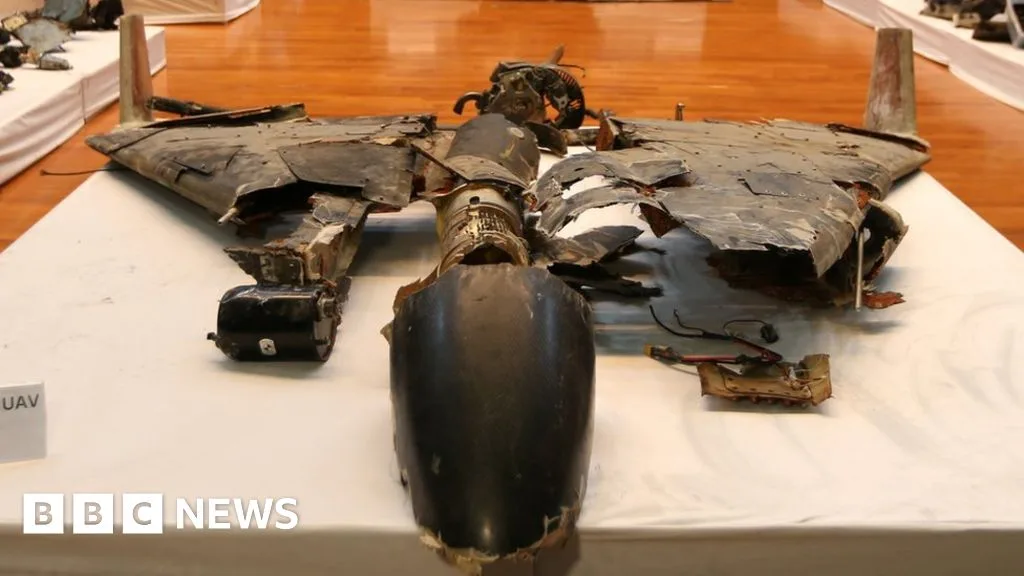
President Donald Trump has insisted he has many options in response to attacks on Saudi Arabia's oil infrastructure, which the US blames on Iran. He has already ordered stepped-up economic sanctions against Tehran, which denies involvement, and reinforced the policy of 'maximum pressure'. However, critics argue that this very policy—abandoning the nuclear deal and increasing economic pressure—may have provoked the current crisis.
The US and Saudi Arabia must first establish a clear public case with corroborating evidence to justify any response and garner international support. US Secretary of State Mike Pompeo called the attack 'an act of war', but more details are needed, particularly whether the attack was launched from Iranian soil. Once the case is made, Trump's options range from immediate overt actions to longer-term covert measures.
Trump's initial response of additional economic sanctions faces limitations, as the 'maximum pressure' campaign is already near its peak. While the Iranian economy is hurting, analysts see no sign of Iran moderating its regional behaviour; instead, its allies like Hezbollah are growing stronger. The attacks also highlight Saudi Arabia's vulnerability, a key factor in considering any military response.
Military options vary from a token strike, similar to the US attack on a Syrian chemical weapons base, to a more substantial calibrated response aimed at deterrence. However, deterrence risks provocation, and Iran shows no signs of being cowed. The US now relies less on Gulf oil, and Trump has signalled a desire to end military adventures abroad, complicating the decision. Any use of force must carefully consider what it aims to achieve and the risk of outright conflict.