Claude AI App Surges in Popularity After Pentagon Blacklisting Over Ethics
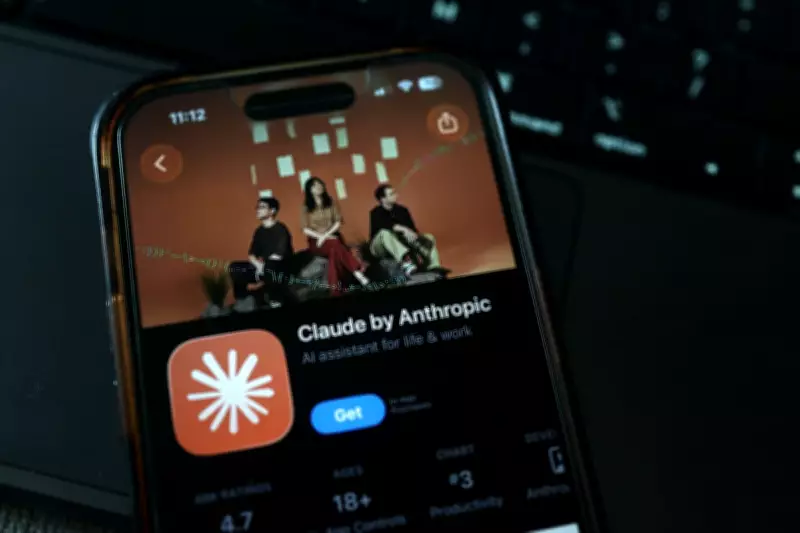
The Claude AI app, developed by the startup Anthropic, has experienced a dramatic surge in popularity, climbing to the number one spot on Apple's chart of top free apps in the United States. This remarkable ascent occurred just one day after the Pentagon announced it would tap OpenAI's ChatGPT to supply artificial intelligence to classified military networks, following a feud with Anthropic over ethical concerns.
Pentagon Blacklisting Sparks User Boom
Last week, the US Department of Defense, led by Secretary Pete Hegseth, designated Anthropic as a supply-chain risk. This decision came after CEO Dario Amodei refused to compromise on red lines regarding the use of his company's technology for mass surveillance and fully autonomous weapons systems. Amodei has publicly stated that current AI models are not sufficiently reliable for deployment in such weapons and that mass surveillance violates constitutional rights.
In response to this blacklisting, Claude's app dethroned ChatGPT from the top position on Apple's free app chart in the US on Saturday. While it did not surpass ChatGPT in the UK iPhone app charts, it still raced up the rankings significantly. According to data from Sensor Tower, Claude also saw substantial gains on Android charts in both the US and UK, although ChatGPT maintained its dominance on that platform.

Unprecedented Demand Leads to Service Outages
The surge in popularity resulted in what Anthropic described as "unprecedented demand for Claude" over the past week. Early on Monday, Claude and other Anthropic apps experienced outages, with more than 1,400 users reporting disruptions just after 6am Eastern Time, according to Downdetector, an online platform that monitors service outages. By 11am ET, Anthropic confirmed that the incident had been resolved.
Despite the technical challenges, the company reported extraordinary growth metrics. "Every single day last week was an all time record for Claude sign-ups," a statement from Anthropic revealed. The company had already been enjoying a strong start to the year, with free active users increasing by more than 60% and daily signups quadrupling. Additionally, Claude's paid subscriber base more than doubled during this period.
Political Fallout and Competitive Landscape
The federal government has accused Anthropic of overstepping its bounds, with former President Donald Trump commenting on his Truth Social platform: "The Leftwing nut jobs at Anthropic have made a DISASTROUS MISTAKE trying to STRONG-ARM the [Pentagon], and force them to obey their Terms of Service instead of our Constitution." Following the breakdown of negotiations between the Pentagon and Anthropic, the Trump administration subsequently selected OpenAI's ChatGPT for the military contract.
OpenAI CEO Sam Altman announced on Friday that his company had struck a deal with the federal government, just hours after talks with Anthropic collapsed. He assured the public that the military would not use ChatGPT for autonomous killing systems or mass surveillance. However, these claims have been met with skepticism by many AI experts, lawyers, tech workers, and users, who questioned why the US government would abandon its partnership with Anthropic only to strike a deal with OpenAI that includes the same safeguards it had criticized.
User Migration and Technical Features
In the wake of these developments, some ChatGPT users, including pop singer Katy Perry, announced their switch to Anthropic on social media, encouraging others to cancel their subscriptions as well. Anthropic has facilitated this migration through its memory feature, available on all paid plans. "With one copy-paste, Claude updates its memory and picks up right where you left off," the company notes on its website. "Claude can import what matters, so your first conversation feels like your hundredth."
The company provides a step-by-step guide with prompts for users who wish to transition from other AI providers to Claude, making the switch as seamless as possible. This user-friendly approach, combined with the ethical stance that sparked the controversy, appears to have resonated strongly with consumers on both sides of the Atlantic.