Adrian Chiles' Frustrating AI Helpline Encounter Highlights Human Connection Void
Chiles' AI Helpline Nightmare Exposes Human Connection Crisis

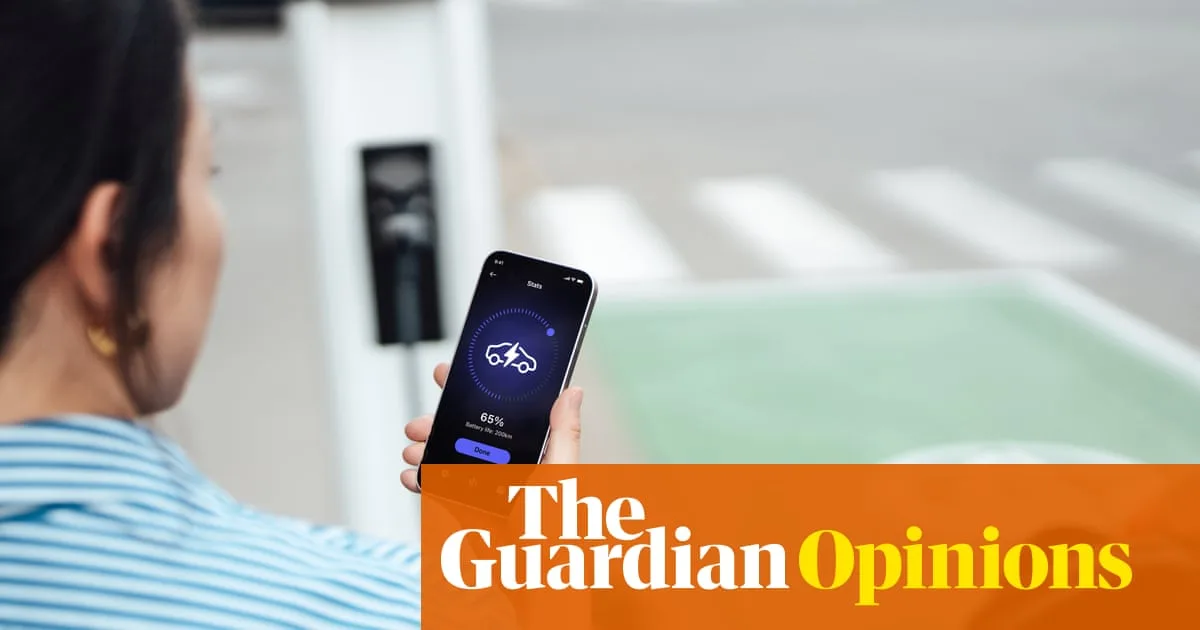
When Guardian columnist Adrian Chiles encountered a malfunctioning electric vehicle charger on a wet and windy day, he embarked on a technological odyssey that left him yearning for simple human contact. His car's batteries were as empty as his soul after five hours on the road listening to Antony Beevor's history of the second world war, but what followed proved even more disappointing than man's inhumanity to man.

The Search for Technical Assistance

Faced with a charger that wouldn't work due to wifi connection issues, Chiles first messaged the installer but pressed for time turned to the manufacturer's glossy website promising a green future. After clicking through to a non-existent support page, he discovered what he called "a precious relic from a bygone age" - an actual telephone number. Calling what his phone identified as a small town in eastern England, he initially felt encouraged by the prospect of real human assistance.

The Chilling AI Encounter

Instead of a competent technician with a strong Hull accent, Chiles was greeted by an automated American voice accompanied by piano arpeggios. Selecting option two for technical help, he heard office background noise that briefly raised his hopes before "Rachel" introduced herself. "Hi. This is Rachel. How can I help you today?" came the metallic voice that Chiles immediately recognized as artificial.

The columnist described the experience as chilling, noting the carefully curated background noise designed to create the illusion of a real office environment. He compared Rachel's voice to those early photoshopped images where faces were superimposed on other bodies - back when you could still see the joins and that was the joke. Now, he observed, this technology has become so sophisticated that it creates unease rather than amusement.

Repeated Failures and Human Relief

When Chiles explained he needed help changing wifi details on his EV charger, Rachel responded, "Certainly, I'll put you through to someone who can help." The line then went dead. "Thrice more I tried," Chiles wrote, "trying to win Rachel round, hating my complicity in this nonsense a little more each time." After repeated failures, he felt almost relieved that the system was glitching, allowing him to see the artificial interaction for what it truly was.

The Human Solution Arrives

Salvation came when Stuart, the original installer, called back. Chiles noted that if Stuart had been there in person, he would have hugged him - not necessarily because he might fix the charger, but because he was real. What followed was an extended technical process involving inputting codes like 10.10.100.453 into browsers along with mysterious passwords, but Chiles found the experience beautiful precisely because it was human.

"I could hear Stuart breathing and thinking," Chiles wrote, describing how they chatted about random things while various processes uploaded, downloaded, or froze. Eventually, for reasons unclear even to Stuart, the charger came back to life. Chiles expressed gratitude for the working charger but noted he was almost more grateful for the interaction with a living being, calling such genuine human connections "a dying breed."

The experience highlighted the growing tension between technological convenience and human authenticity in customer service interactions, with Chiles' frustration serving as a poignant reminder of what gets lost when automation replaces genuine human engagement.