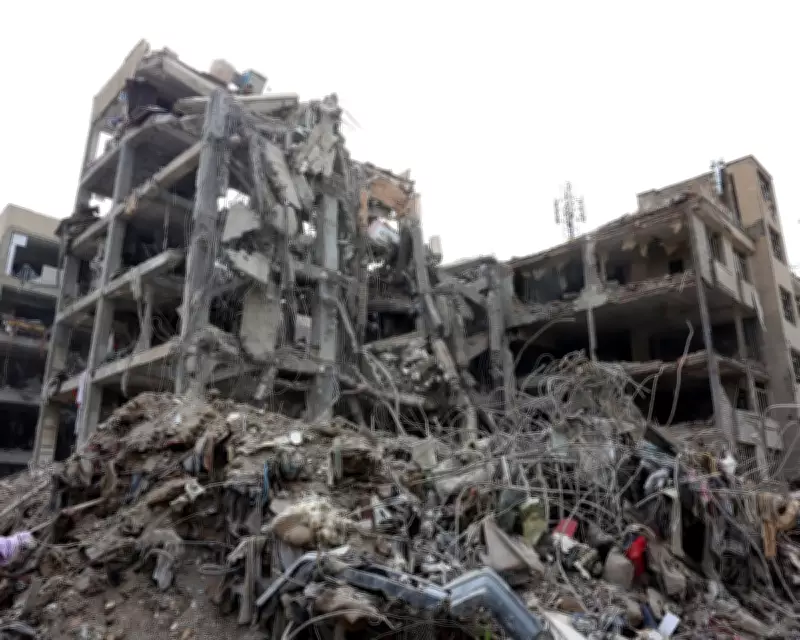
In the digital age, the line between reality and fabrication has become dangerously blurred, particularly during times of international conflict. The proliferation of artificial intelligence-generated imagery depicting events in the high-stakes war between Iran and Israel presents a formidable challenge for news consumers worldwide. These sophisticated fakes, often indistinguishable from authentic footage, spread across social media platforms at an alarming rate, outpacing efforts to debunk them.
The Rise of AI-Generated War Propaganda
Videos showcasing what appear to be Iranian missiles striking Tel Aviv's airport or US soldiers being detained by Iranian forces have circulated widely online. Despite their convincing nature, these clips are entirely fabricated, created using cutting-edge AI technology designed to mislead and manipulate public perception. CNN's fact-checking reporter Daniel Dale highlighted the overwhelming scale of this issue, noting that new deceptive content emerges faster than it can be effectively countered.
Compounding this problem is the troubling trend of legitimate photographs from reputable news organizations being falsely branded as manipulated or suspicious. This deliberate sowing of doubt undermines the gravity of actual wartime events, potentially causing audiences to view death and destruction with the detached perspective of a video game rather than as human tragedy.

A Case Study in Verification Challenges
The New York Times recently found itself compelled to defend the authenticity of an image captured in Tehran after an organization alleged digital manipulation. The newspaper issued a firm statement confirming the photograph's legitimacy, captured by a journalist on March 9, 2026, and criticized the flawed analysis that had questioned its validity. This incident underscores the complex verification landscape where even established media outlets must continually reaffirm their commitment to factual reporting.
Three Essential Rules for News Consumers
Media consultant David Clinch, a founding partner of forensic verification pioneer Storyful, emphasizes that responsible news consumption in this environment requires deliberate critical thinking. He proposes three fundamental principles for navigating war coverage:
- Question Everything, Including Your Own Biases: "Don't trust anyone online, including yourself," Clinch advises. He notes that preconceived notions can lead individuals to share unverified content that aligns with their existing beliefs, thereby amplifying misinformation.
- Identify and Rely on Genuine Experts: Seek out professionals whose careers focus on distinguishing reality from fabrication. Clinch cites BBC journalist Shayan Sardarizadeh as an exemplary figure who systematically debunks false content, such as an AI-generated video of a Tel Aviv tower strike that had garnered over a million views. However, he cautions against pseudo-experts like certain AI chatbots that present themselves as authoritative sources.
- Resist Oversimplification: Even verified images rarely tell the complete story. Clinch urges consumers to seek broader context through additional reading and analysis before forming conclusions. The impulse to share dramatic content immediately must be tempered with careful consideration.
The Burden on Responsible Citizens
When asked whether ordinary people should bear responsibility for this level of media scrutiny, Clinch acknowledges the unfairness while affirming its necessity. "For responsible citizens, these things are both unfair and necessary," he states, emphasizing that those wishing to remain well-informed must actively participate in verification processes to avoid becoming conduits for disinformation.
The chaos of warfare elevates the stakes of media literacy to unprecedented levels. In an environment saturated with fabricated content and false accusations, critical thinking becomes not merely beneficial but essential. The path forward requires initial skepticism toward all content, reliance on credible experts, and constant consideration of broader context.

Ultimately, the decision to share war-related imagery carries significant weight. As Clinch concludes, individuals must either exercise restraint and verification or risk contributing to the very problem they seek to understand. In the digital battlefield of information, patience and discernment have become the most powerful tools at a news consumer's disposal.