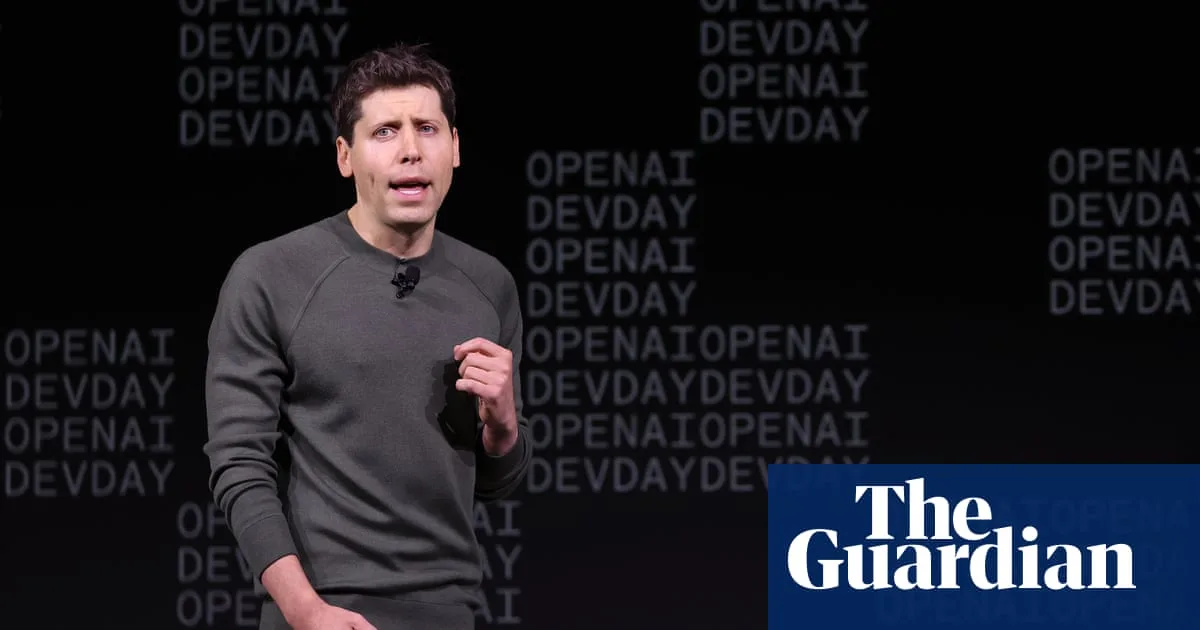
OpenAI has developed a new artificial intelligence model that its chief executive, Sam Altman, described as “good at creative writing”, marking the first time he has been “really struck” by AI-generated text. The model, which has not yet been publicly released, was showcased in a post on X, where Altman shared a sample story written by the AI.
The announcement comes as tech firms and creative industries remain locked in a legal battle over copyright. AI systems like ChatGPT are trained on vast amounts of publicly available data, including copyrighted novels and journalism, leading to lawsuits from authors and publishers. The New York Times is suing OpenAI, while US authors including Ta-Nehisi Coates and Sarah Silverman are taking legal action against Meta.
In the UK, the government is consulting on proposals to allow AI companies to train models on copyrighted material without permission, a move strongly opposed by creative professionals who argue it threatens their livelihoods. Tech companies support the plans, citing legal uncertainty as a barrier to innovation.

The UK Publishers Association responded to Altman’s post, calling it “further proof” that AI models rely on copyrighted literary content. Chief executive Dan Conway said: “Make it fair, Sam.” The sample story, written in response to a prompt about AI and grief, included references to its training data, with the AI describing itself as “an aggregate of human phrasing” and “a democracy of ghosts”.
Altman praised the output, saying it “got the vibe of metafiction so right”. OpenAI previously acknowledged in a submission to a House of Lords committee that it would be “impossible to train today’s leading AI models without using copyrighted materials”.