AI Influencers Dominate Coachella: Digital Stars Earn Millions, Blur Reality
AI Influencers Take Over Coachella, Earning Millions

The Rise of AI Influencers at Coachella: Digital Stars Replacing Reality

That photogenic influencer enjoying Justin Bieber's set at Coachella might not actually exist. AI-generated personalities are now descending on the festival, earning substantial incomes from followers and brand collaborations, with many audiences indifferent to their artificial origins. Katie Rosseinsky investigates this curious phenomenon, where digital souls are becoming mainstream on social media platforms.

Meet Aitana Lopez: The AI 'Digital Soul' Earning Thousands

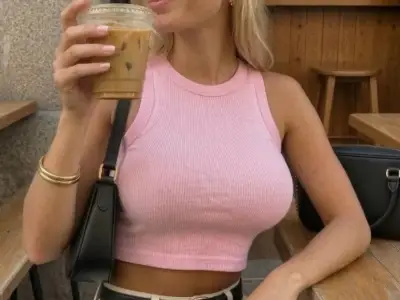
Posing before Coachella's iconic Ferris wheel, Aitana Lopez embodies California cool with her pink-tousled hair and boho-style attire. She even sports a branded cupholder from Hailey Bieber and Kendall Jenner's collaboration, a must-have for festival influencers. However, Aitana, with 392,000 followers, is entirely virtual—created by Barcelona-based tech agency The Clueless. She reportedly earns up to $10,000 monthly through modelling work and brand deals, despite her bio clarifying her digital nature.

Comments like "stunning!" and "fantastic as always" flood her hyper-real photos, but it's unclear if followers realise she's AI. In a surreal twist, an actor with five million followers once asked her on a date in real life. Other AI influencers, such as Mia and Ana Zelu, share travel and sports game photos, while Granny Spills—a pink-clad elderly character with 2 million followers—posts Coachella snaps "with" Kardashian-Jenner siblings and the Biebers, leveraging celebrity likenesses for visibility.

Wide Pickt banner — collaborative shopping lists app for Telegram, phone mockup with grocery list

The Booming Market and Consumer Acceptance

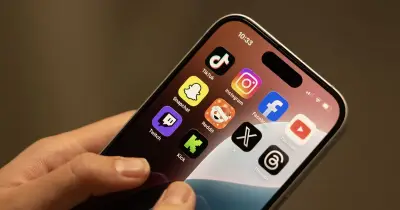
Thousands of virtual influencers now operate on Instagram and TikTok, with the market valued at $6.33bn in 2024 and projected to reach $11.78bn by 2033. Surprisingly, research from Sprout Social indicates half of UK consumers are comfortable with brands using AI influencers alongside human ones, and 41% are open to following them. In a digital landscape saturated with edited content, artificial characters seem a logical progression.

This industry even boasts its own awards ceremony—the AI Personality of the Year Awards, dubbed "the Oscars for AI influencers," with over 2,000 entries vying for a $90,000 prize fund. Contenders range from Coachella attendees to diverse personalities like RoRo Castillos, a Mexican LGBT+ Reggaeton musician, and Alex Laine, an Arsenal fan designed for female football enthusiasts.

Historical Context and Technological Advances

Virtual influencers emerged about a decade ago, with Lil Miquela—a CGI creation from LA startup Brud—pioneering the trend. Maddie Travers of digital agency Deviation notes this era marked a pivotal shift, as brands realised they could build influencers with full creative control. Miquela's fashion collaborations, including Prada and Calvin Klein, sparked controversies, such as accusations of queer-baiting and a leukaemia awareness campaign criticised for trivialising real experiences.

Technological advancements have since lowered barriers to entry. Jago Sherman of The Goat Agency explains that AI now allows easy generation of convincing images and videos via simple prompts, making creation accessible without programming skills. This has fueled a surge in AI influencers, often promoted as get-rich-quick schemes, with smaller accounts generating four-figure monthly fees through ad revenue and custom videos.

Brand Appeal and Human Creator Implications

Brands are drawn to AI influencers for their controllability and reduced risk of scandal, as highlighted by Megan Dooley of TAL Agency. Virtual characters avoid the unpredictability of human influencers, operate 24/7, and bypass logistical constraints. Some human creators, like TikTok stars Khaby Lame and Whoa Vicky, are embracing AI twins to streamline workloads, with Lame's $975m deal allowing a virtual avatar of his likeness.

However, this raises concerns about authenticity and obsolescence. A study of over 500 North American influencers found 62% experience burnout, but outsourcing to AI could undermine genuine connections. Sherman argues that human influencers' value lies in creativity and authenticity—traits AI struggles to replicate. Dooley adds that categories requiring trust, such as mental health or fitness, may resist AI recommendations, pushing real creators to emphasise their humanity and flaws.

Pickt after-article banner — collaborative shopping lists app with family illustration

Future Outlook and Ethical Considerations

As AI technology improves, interactions between followers and digital creators may blur lines further, raising dystopian concerns about manipulation and mental health. Sherman warns of unprecedented risks, while Dooley suggests human influencers will need to differentiate themselves through distinctive niches. Currently, AI influencers like Aitana are thriving, but the long-term impact on human creators remains uncertain, with the industry poised for significant evolution by 2030.