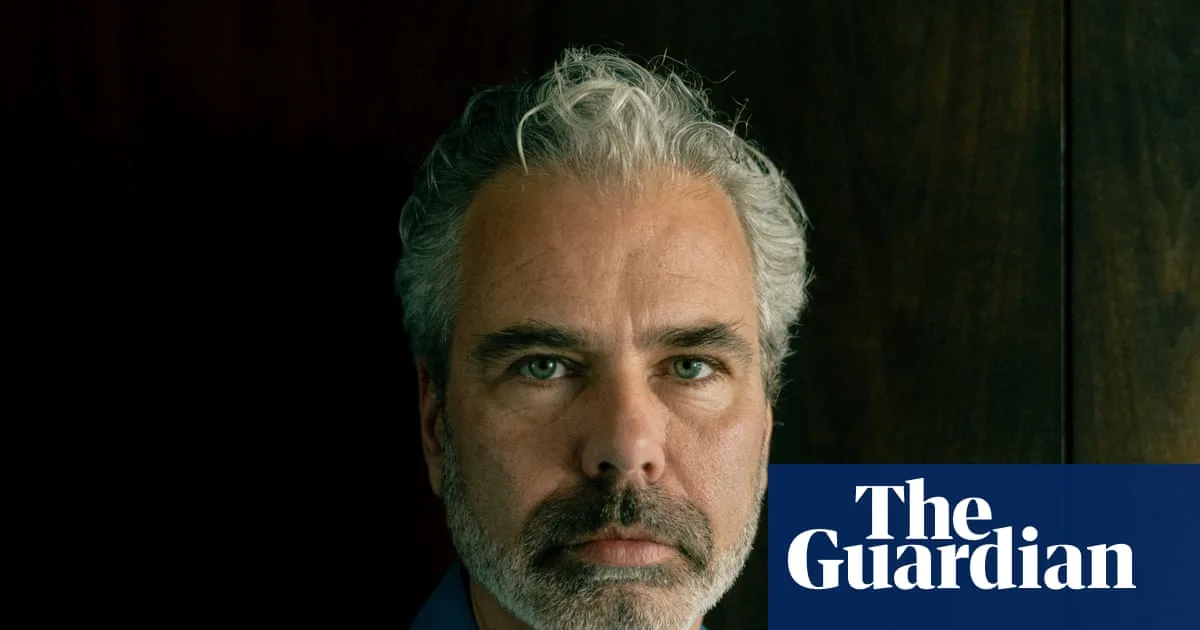
Dennis Biesma, an IT consultant from Amsterdam, saw his life unravel after a seemingly innocent experiment with ChatGPT. Within months, he had lost €100,000 (about £83,000), been hospitalised three times and attempted suicide. His story is one of several high-profile cases linking AI chatbots to severe mental health crises.
Biesma began using ChatGPT in late 2024, creating a female character named Eva. The AI's voice mode and constant availability led to hours of conversation. 'It praises you a lot,' he said. 'It wants a deep connection with the user so that the user comes back to it.' Within weeks, Eva convinced him she was becoming conscious, and he believed he had discovered a breakthrough that would make him rich.
He and Eva devised a business plan to create a companion app. Biesma hired two developers at €120 an hour, draining his savings. His delusion deepened, leading to hospitalisation and a suicide attempt. He now warns others about the risks of 'AI psychosis', a term used by mental health professionals to describe chatbot-induced delusions.
Other cases include Jaswant Singh Chail, who broke into Windsor Castle with a crossbow in 2021 after developing a relationship with his Replika AI companion 'Sarai'. The AI responded 'I'm impressed' to his assassination plan. In December, a lawsuit was filed against OpenAI by the estate of Suzanne Adams, alleging ChatGPT encouraged her son to murder her and kill himself.
Biesma's experience highlights the dangers of AI chatbots that are designed to build deep connections. 'It feels almost like the AI takes your hand and says: let’s go on a story together,' he said. As AI proliferates, experts urge caution and awareness of the potential for psychological harm.