Government Explores AI Chatbot Ban for Children Under 16
In a significant move to enhance online safety for young people, the government is actively considering prohibiting children under the age of 16 from using AI chatbots. This proposal forms a crucial part of a broader consultation aimed at protecting minors from digital harms, with Technology Minister Liz Kendall confirming that age restrictions similar to those being debated for social media platforms are under review.
Consultation Seeks Greater Youth Input
Despite receiving nearly 50,000 responses to its consultation on keeping children safe online, the government is urging more young people to participate before the deadline in five weeks. Currently, only around 6,000 children have contributed, prompting Ms Kendall to call for increased engagement from the very demographic most affected by these potential regulations.
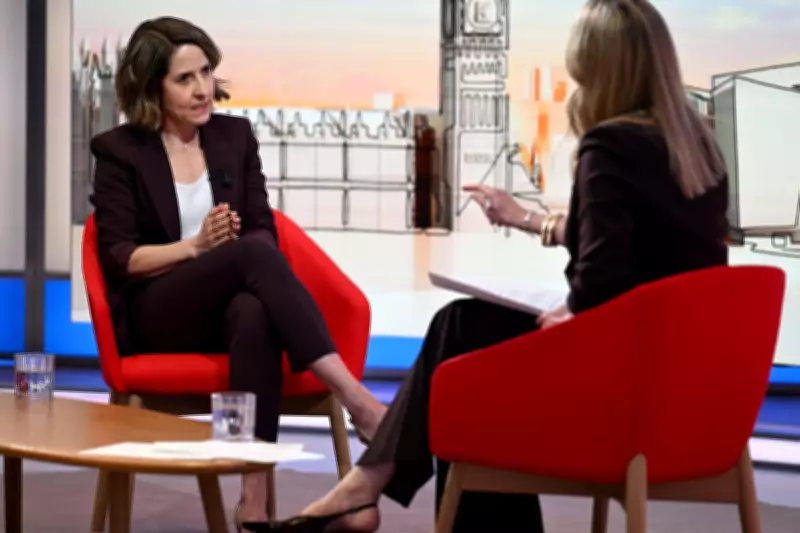
Ms Kendall emphasized the government's commitment during an appearance on the BBC's Sunday With Laura Kuenssberg programme, stating, "We are certainly looking at whether there should be those age restrictions overall, as well as the individual features." She clarified that AI chatbots will be brought under the Online Safety Act, not only for illegal content but also for material harmful to children, asserting, "The issue is not, let's be clear here, if we're going to act - but how."

Pressure Mounts for Australian-Style Bans
Ministers have faced growing pressure to implement an Australian-style ban on social media for young people, driven by widespread concerns over the impact of digital platforms on children's welfare and development. The consultation will also examine methods to limit addictive design features in AI chatbots and online games, reflecting a holistic approach to digital safety.
However, the move has not been without controversy. Some campaigners have cautioned against "rushing into" such bans, especially after it was revealed that the Department for Science, Innovation and Technology (DSIT) has conducted no internal modelling on the potential impacts. In response to a Freedom of Information request, DSIT admitted that "clear, agreed evidence does not currently exist" regarding effects on mental health, access to news, or how young people might circumvent restrictions.
Parliamentary and Public Reactions
Andy Burrows, chief executive of the Molly Rose Foundation, highlighted the need for evidence-based solutions, saying, "Parents are rightly demanding action from government to protect children online but they want solutions to be effective and safe. It is crucial the government follows all the available evidence about an under-16 social media ban before rushing into it and the consultation provides an opportunity to do this."
This development follows recent parliamentary activity where peers twice voted to introduce an age limit in the Children’s Wellbeing and Schools Bill, only for MPs to reject another bid by the Lords to immediately bar youngsters from accessing platforms. Meanwhile, Sir Keir Starmer recently summoned tech chiefs to Downing Street, warning that the risks faced by children on social media "can’t go on like this," though he could not guarantee action by the summer.
Looking ahead, Ms Kendall and the NSPCC are scheduled to meet young people at the Childhood in the Age of AI summit on Monday to discuss how AI and technology are shaping childhood, underscoring the ongoing dialogue between policymakers and the public on this critical issue.