The British Museum has apologised after some visitors were unable to see the Bayeux Tapestry despite holding tickets, as huge demand for the landmark exhibition led to lengthy queues and complaints from attendees.
The 11th-century embroidery, which depicts the Norman conquest of England, went on public display earlier this month and has proved one of the museum's most sought-after exhibitions in recent years. Tickets have already sold out for the remainder of the year.
Visitors report long waits
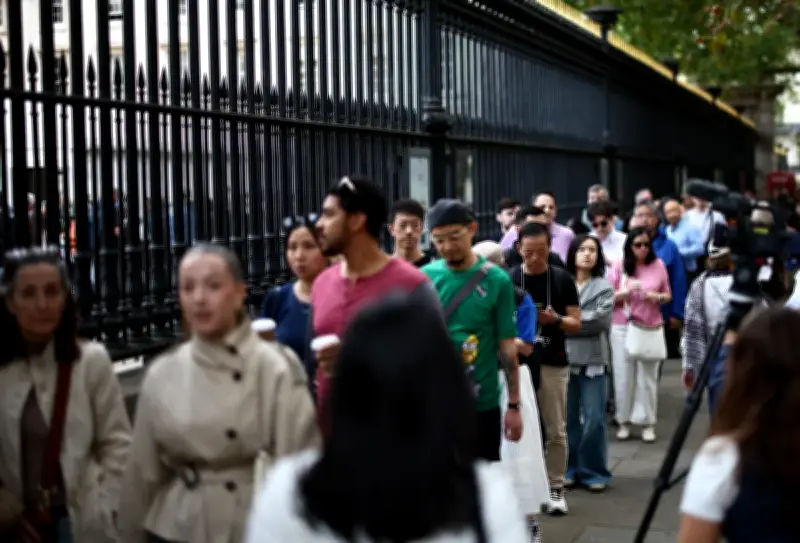
Visitors have reported waiting more than two hours to enter the gallery, with some forced to leave before completing their visit and others unable to gain entry at all.
According to reports in The Times, ticket holders arriving for afternoon entry slots faced significant delays as queues built up throughout the day. One visitor said he spent more than two hours waiting before reaching the start of the 68-metre tapestry, only for gallery lights to be switched off shortly afterwards as museum staff brought the day's viewing to a close.
Strict measures to manage crowds
The museum has imposed strict measures to manage crowds, including a ban on photography and a 40-minute viewing limit. The restrictions form part of the loan agreement with French authorities, who have stipulated limits on light exposure to help preserve the historic artefact.
Professor Michael Lewis, the British Museum's lead curator, has previously said the tapestry can be so captivating that visitors become absorbed in its details and slow the flow of people through the exhibition.
Visitor criticism and museum response
Some visitors have criticised the experience, describing it as rushed and heavily controlled. Others reported being repeatedly urged to keep moving by staff and automated announcements in an effort to prevent bottlenecks forming around popular sections of the display.
Responding to the complaints, the British Museum said it had experienced "unprecedented demand" and was working to balance the conditions of the loan agreement with providing a positive visitor experience.
A spokesperson said extensive measures had been introduced to manage visitor flow but acknowledged some people had waited longer than expected. The museum apologised to those affected and said it would be contacting visitors directly.