Teen Tennis Star Disqualified After Racket Hits Opponent in Celebration
A teenage tennis sensation has been dramatically disqualified from a tournament despite securing victory in his match, after hurling his racket in celebration and accidentally striking his opponent. The incident occurred during a first-round clash at the ITF J60 tournament held in Lithuania, involving local favourite Deividas Bandzevicius and Italian player Emiliano Bratomi.
Match Details and Controversial Incident
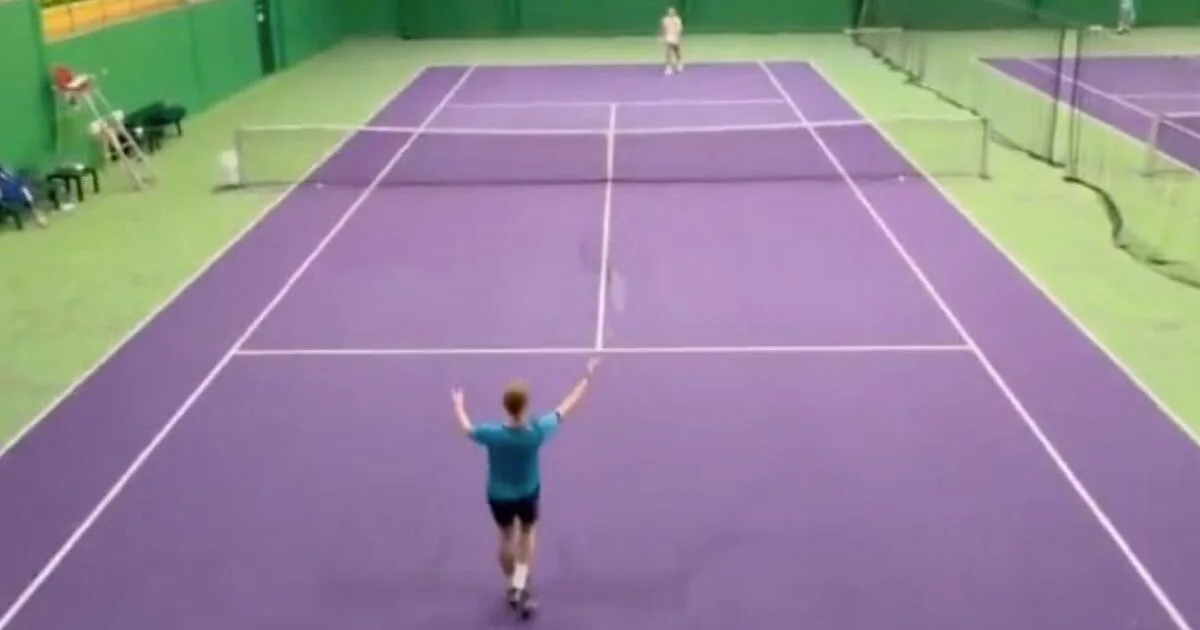
The 17-year-old Lithuanian starlet edged out his fellow 17-year-old opponent in a tightly contested match, with a final score of 6-3, 4-6, 7-6(5). Swept up in the emotion of his hard-fought triumph, Bandzevicius flung his arms skyward in jubilation before launching his racket into the air. The equipment sailed across the court directly toward Bratomi, who desperately tried to shield himself using his own racket to deflect it.
Despite Bratomi's defensive efforts, the Lithuanian's racket made contact with his foot, causing the Italian player to halt in pain. Bandzevicius immediately raised his hands in apology to his stricken opponent, acknowledging the accidental nature of the incident. However, tournament officials swiftly intervened, leading to the young star's disqualification from the competition.
Tournament Consequences and Rule Interpretation
The disqualification meant Bandzevicius's intended next-round opponent, Volodymyr Revenko, progressed straight through to the quarter-finals without having to step on court. Unfortunately for Bratomi, the unfortunate turn of events provided no benefit, as he had already been defeated in the match and could not progress further in the tournament.
While some observers might suggest Bandzevicius had no intention of hitting Bratomi with the racket, ITF regulations leave no room for interpretation. The rules clearly define physical abuse as "unauthorised touching of an official, opponent, spectator or other person". This strict interpretation mirrors similar incidents in professional tennis history.
Historical Precedent: Djokovic's 2020 Disqualification
A comparable incident occurred in 2020 when Novak Djokovic was disqualified from the US Open after inadvertently striking a line judge. During his Round of 16 match against Pablo Carreno Busta, Djokovic was level at 5-5 in the opening set before having his serve broken. Visibly frustrated, the 24-time grand slam champion struck a ball toward the back of the court, which accidentally caught a line judge in the throat.
Despite rushing to her assistance and making lengthy appeals to officials, Djokovic's tournament was brought to an abrupt end. The Serbian star reluctantly accepted the ruling and departed the court, while Carreno Busta progressed to the semi-finals before being defeated by Alexander Zverev.
Grand Slam regulations are unequivocal on such matters: "Players shall not at any time physically abuse any official, opponent, spectator or other person within the precincts of the tournament site. The referee, in consultation with the Grand Slam chief of supervisors may declare a default for either a single violation of this code."
Broader Implications for Sportsmanship
This incident highlights the ongoing tension between emotional celebration and strict adherence to sportsmanship rules in professional tennis. While players naturally experience intense emotions during competitive matches, tournament regulations prioritize safety and proper conduct above all else.
The Bandzevicius disqualification serves as a stark reminder to young athletes about the importance of maintaining composure even in moments of triumph. As tennis continues to evolve, such incidents prompt discussions about whether rule interpretations should consider intent versus outcome in accidental contact situations.
Tournament organizers maintain that consistent application of rules is essential for maintaining fairness and safety across all levels of competition, from junior tournaments to Grand Slam events. The incident will likely be studied by coaches and players alike as a cautionary tale about the consequences of uncontrolled celebrations in high-stakes matches.