Inside Tennis Locker Rooms: Depression Candy, Death Stares and Awkward Encounters
Inside Tennis Locker Rooms: Awkward Encounters Revealed

Inside Tennis Locker Rooms: Depression Candy, Death Stares and Awkward Encounters

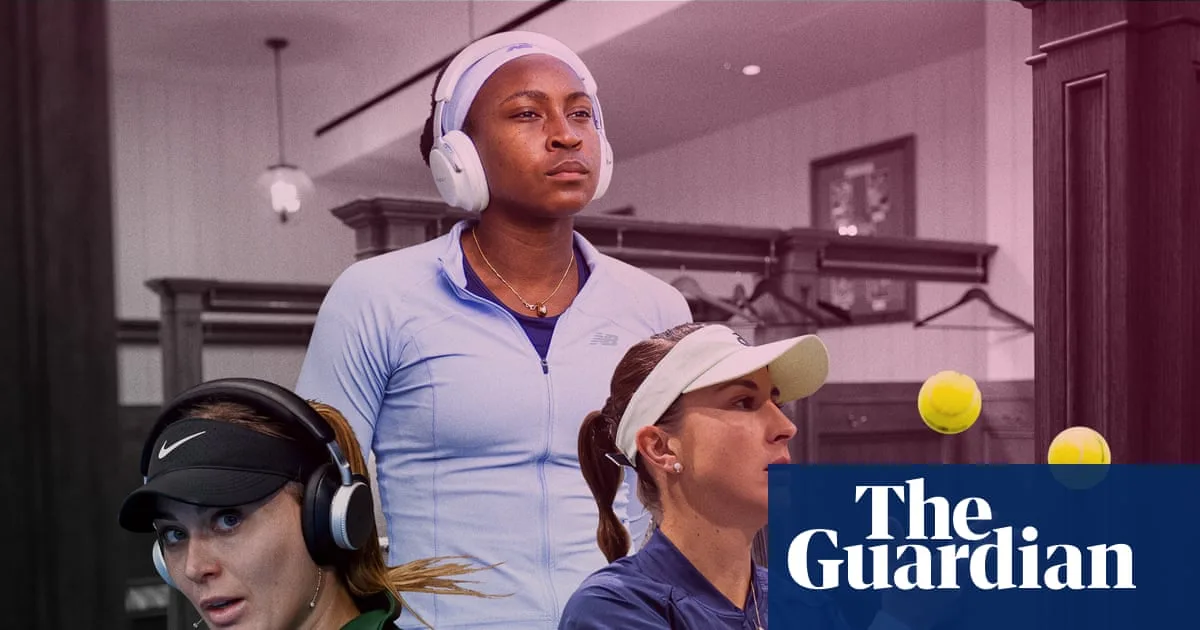
Paula Badosa, Coco Gauff and Belinda Bencic each have distinct strategies for navigating the tense atmosphere of tennis locker rooms. This communal space, often described as the loneliest in sport, is where players must balance camaraderie with competition, leading to a host of awkward interactions and emotional minefields.

Depression Candy and Unreturned Laughter

After a successful first-round match at the Australian Open in January, Coco Gauff spotted a fellow player across the locker room munching on sweets. Assuming it was a celebration, Gauff joked about the performance, only to be met with a stark correction. "They were, like, 'No, this is depression candy,'" Gauff recalls, wincing at the memory. This incident highlights the unpredictable emotions players face, where joy and despair coexist in close quarters.

Avoiding Eye Contact and Awkward Silences

For many players, pre-match preparation involves avoiding eye contact to maintain focus. Paula Badosa admits this is a common tactic. "That's the thing we do, I think, all of us," she says. "We try to avoid it and just say hi. That day you avoid the conversation and eye contact for sure." Gauff echoes this, noting that interactions vary based on familiarity. With friends, brief chats are fine, but with strangers, greetings can be met with cold shoulders as players immerse themselves in the competitive mindset.

Wide Pickt banner — collaborative shopping lists app for Telegram, phone mockup with grocery list

Shared Spaces and Uncomfortable Moments

Belinda Bencic finds situations like sharing a golf cart to the court more awkward than the locker room itself. However, she acknowledges the strangeness of preparing for a match while an opponent is nearby. "Sometimes you are doing your hair or getting ready for the match and your opponent is right there," Bencic explains. "You don't know if you should say small talk or not. Everyone is different." This variability in player attitudes adds to the tension, with some relaxed and others completely withdrawn.

Navigating Emotional Minefields

The locker room is a hub of mixed emotions, with players processing wins and losses in real time. Gauff points out the difficulty of not knowing a player's mood after a match. "The worst thing about sharing a locker room is seeing someone, knowing they played, but not knowing how the score went," she says. "You don't know what mood they're in. I always find that hard to navigate." This uncertainty forces players to tread carefully, avoiding potential conflicts.

Community Support Amidst Isolation

Despite the awkwardness, some players appreciate the sense of community. Madison Keys highlights the support system within locker rooms. "I quite enjoy it because even though you're sharing a locker room with your opponents, you're also sharing a locker room with friends," she says. "There have been moments where I know that either myself or other players have had really tough moments and you always have someone around you who can give you a hug and talk you through it." This immediate support contrasts with the isolation felt in other sports.

Minimising Time and Managing Egos

Jannik Sinner has adopted a strategy of spending minimal time in locker rooms to reduce awkward encounters. "When I started to come on tour, I was on-site a lot," he says. "Now I'm a bit different. Especially on training days, I come here [and] when the training is over or I eat something very fast here, then I leave." Meanwhile, Stefanos Tsitsipas criticises players who develop egos after success, advocating for humility like that of Giannis Antetokounmpo.

Evolving Dynamics and Respectful Conduct

Daniil Medvedev notes that locker room dynamics have improved over time, with less toxicity compared to 20 years ago. "I heard from them that 20 years ago it was as toxic as it could be," he says, referring to his coaches. Today, the environment is more peaceful, though Bencic emphasises the need for tact. "It can be a little bit awkward if someone has had a bad day or just lost or something, then someone else comes in and is all happy," she says. "It's a shared space, so you have to really also be a little bit respectful to everyone else."

Pickt after-article banner — collaborative shopping lists app with family illustration