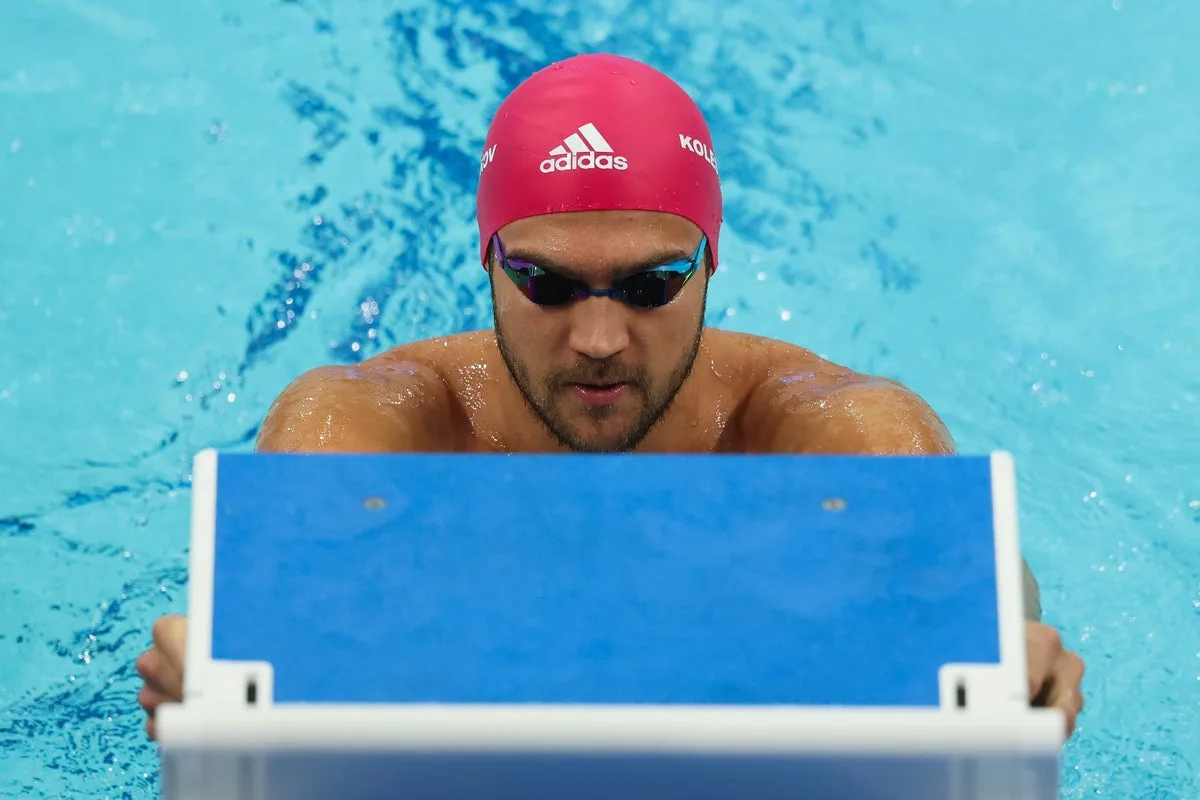
Norway Joins Poland in Boycott Over Russian and Belarusian Swimmers
The Norwegian Swimming Federation has declared it will not host any international championships as long as World Aquatics (WA) permits athletes from Russia and Belarus to compete under their national flags and anthems. This decision, confirmed by the federation's President Cato Bratbakk on Tuesday, deepens a growing rift within the global swimming community and follows a similar stance taken by Poland last week.
World Aquatics Lifts Neutrality Restrictions
Last week, World Aquatics lifted neutrality restrictions that had been in place since Russia's full-scale invasion of Ukraine in February 2022, which was partly launched from Belarusian territory. As of 14 April, Russian and Belarusian swimmers are now allowed to participate in events with their national uniforms, flags, and anthems. The global governing body also reinstated full membership rights for both nations, a move that has sparked significant controversy.
"Our position is clear. We will not host any championships as long as Russian and Belarusian senior and junior competitors have full access, entry rights, and are permitted to use their flags and national anthems," Mr Bratbakk stated emphatically.
Seeking a Broader Regional Boycott
Norway is now actively seeking to expand this boycott regionally. "We are scheduled to meet with Nordic colleagues next week, where we hope our position will create momentum against the decision made by World Aquatics," Mr Bratbakk added. This effort aims to build a coalition of nations opposing WA's ruling, mirroring the resistance seen in other sports.
Parallels to Paralympic Controversy
The swimming dispute echoes recent events in paralympic sports. Last month, ten para-athletes—six Russians and four Belarusians—were permitted to compete under their own flags at the Winter Paralympics. This decision was met with criticism from several nations, leading to boycotts of the opening and closing ceremonies by countries including the UK.
A UK government spokesperson said, "We strongly oppose the decision of the International Paralympic Committee to allow Russian and Belarusian athletes to compete under their own flags at the Milan-Cortina 2026 Paralympic Winter Games." This sentiment underscores the broader geopolitical tensions influencing international sports governance.
Implications for Global Swimming Events
The Norwegian boycott threatens to disrupt upcoming championships and highlights the ongoing struggle within sports organizations to balance inclusivity with political pressures. World Aquatics has not yet responded to requests for comment, leaving the future of hosting arrangements uncertain. As the situation develops, the swimming world watches closely to see if other nations will join Norway and Poland in their stand.