Super League Celebrates 30 Years with Media Revolution
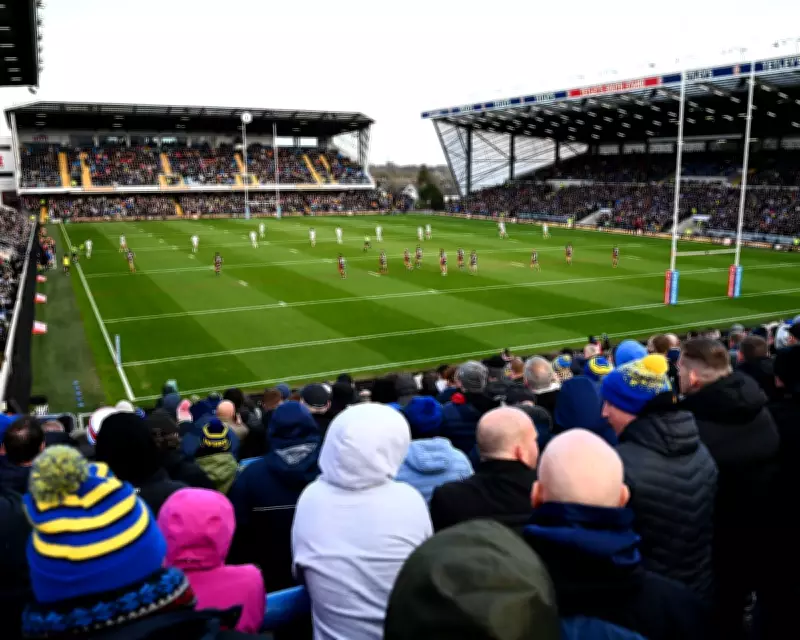
Super League marked its 30th birthday in grand style over the weekend, with a thrilling match at Headingley where Leeds triumphed over Warrington 26-22. This fixture echoed one of the league's original games from 1996, highlighting how far the sport has come. As Sky Sports anchor Brian Carney hosted a parade of illustrious guests reminiscing about past glories, clips from the inaugural season were showcased, revealing a stark contrast: only three of the opening round games were televised back then, compared to all seven being broadcast live last weekend.
From Satellite Dishes to Smartphones: A Digital Transformation
In the mid-1990s, watching Super League required a satellite dish, making it inaccessible to many. Today, fans consume the game on their phones, a far cry from the era of hourly radio bulletins. Sky Sports initially invested £87 million in the new competition but showed minimal matches; now, they broadcast 10 games weekly for just £21.5 million per season. The BBC's involvement has also evolved, with live coverage on BBC2 at tea time on Saturdays, though they no longer contribute to rights fees.
The press landscape has undergone a seismic shift. In 1996, every national newspaper employed a full-time rugby league correspondent, with Monday papers dedicating full pages to match reports. Now, press boxes are sparsely populated, with most journalists working for BBC radio or digital platforms. The decline in print coverage contrasts with rising crowds and increased TV broadcasts, as papers cited dwindling interest despite the sport's growth.

Veteran Journalists Reflect on the Changing Times
Paul Fitzpatrick, the Guardian's rugby league correspondent for nearly two decades at Super League's launch, recalls his early days with humor. "I was chucked in at the deep end," he says, describing how he had to self-educate in a sport unfamiliar in his Manchester upbringing. He worked alongside Andy Wilson, who later became the RFL's head of media. Wilson remembers being tasked with writing about Super League as a "super flop" based on a photo of an empty terrace, highlighting the skeptical early coverage.
Technological advancements have reshaped reporting. Wilson notes that in the past, journalists struggled with limited phone sockets in press boxes, often having to phone in reports after matches. Memorable moments, like St Helens' Wide to West try in 2000, were chaotic to cover in real-time. Today, reporters focus on social media updates and digital content, with young writers dominating the field for websites like Serious About Rugby League and Love Rugby League.
Radio Growth and the Sport's Enduring Openness
Radio coverage has expanded significantly over 30 years, with fans able to listen to almost every Super League game live on BBC local stations, 5 Live Sports Extra, or TalkSport. Jack Dearden, a stalwart broadcaster, recalls the early days when games were mostly on Sundays, contrasting with today's Friday night fixtures. He highlights the introduction of magazine-style programs that fostered debate, a tradition that continues.
Rugby league's accessibility remains a boon for journalists. Fitzpatrick contrasts it with football's "humiliations," praising the sport's humility and willingness to engage. Despite challenges like cramped press boxes and communication hurdles, he and others found the experience rewarding. As Dearden sums up, "It's been a great privilege and pleasure to be a part of it."
The media evolution reflects broader trends in sports journalism, with digital platforms rising as print declines. Super League at 30 stands as a testament to adaptation, blending tradition with innovation to keep fans connected in an ever-changing landscape.