The Strategic Rise of the Slower Ball in Cricket: From Stephenson to Curran
In the high-stakes world of cricket, where speed and aggression often dominate headlines, a subtle yet powerful weapon has steadily gained prominence: the slower ball. This deceptive delivery, designed to outfox batsmen with variations in pace and trajectory, has evolved from a niche tactic to a cornerstone of modern bowling strategies. Its journey, spanning decades, highlights how innovation and adaptation have reshaped the game, with pioneers like Franklyn Stephenson laying the groundwork for contemporary stars such as Sam Curran.
Franklyn Stephenson: The Pioneer of Deception
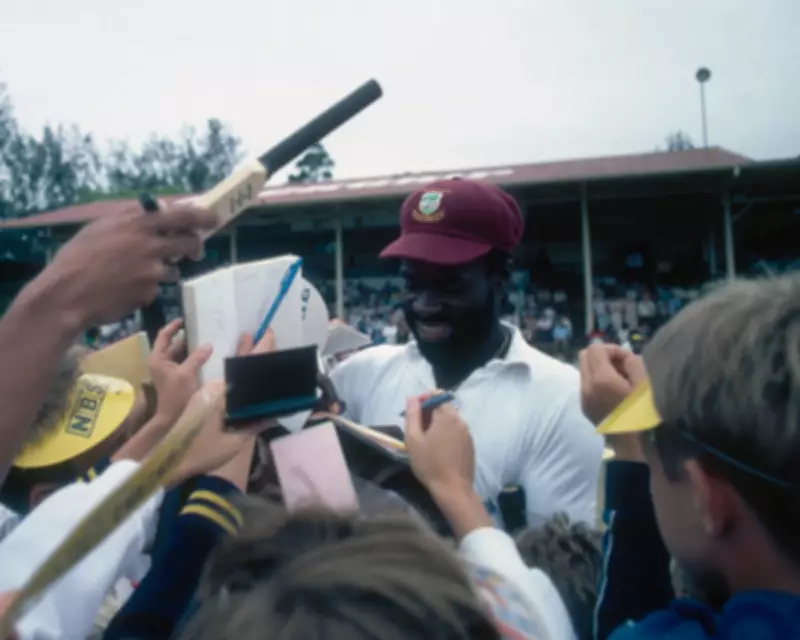
Franklyn Stephenson, a Barbadian all-rounder active in the 1980s and 1990s, is widely credited as one of the early masters of the slower ball. Playing in an era dominated by raw pace and swing bowling, Stephenson introduced a clever variation that caught batsmen off guard. His technique involved disguising the delivery with a similar arm action to his faster balls, only to release it at a significantly reduced speed. This not only disrupted timing but also forced opponents to rethink their aggressive approaches. Stephenson's success in domestic leagues, particularly in English county cricket, demonstrated the slower ball's potential as a game-changer, inspiring a generation of bowlers to experiment with pace manipulation.
Evolution Through the Decades
As cricket progressed into the 21st century, the slower ball underwent a remarkable transformation, becoming more sophisticated and integral to bowling arsenals. Key factors driving this evolution include:

- The Advent of Limited-Overs Cricket: Formats like One-Day Internationals (ODIs) and Twenty20 (T20) placed a premium on economy and wicket-taking under pressure, making slower balls essential for containing runs and breaking partnerships.
- Technological Advancements: High-speed cameras and data analytics allowed bowlers to refine their techniques, studying grip, release points, and batsmen's weaknesses to optimize slower ball variations.
- Global Influence: Bowlers from diverse cricketing nations, including India, Australia, and Pakistan, adopted and adapted the slower ball, leading to innovations like the knuckleball, back-of-the-hand delivery, and cutters.
This period saw the slower ball move from a occasional surprise to a strategic staple, with bowlers using it not just to deceive but to set up dismissals through planned sequences.
Sam Curran: Modern Mastery of the Slower Ball
In contemporary cricket, Sam Curran exemplifies the advanced application of the slower ball. As an English all-rounder known for his clever bowling in limited-overs formats, Curran has mastered the art of varying pace to outsmart batsmen. His repertoire includes multiple slower ball types, such as the off-cutter and slower bouncer, which he deploys with precision during critical phases of matches. Curran's success in high-profile tournaments, like the Indian Premier League (IPL) and ICC events, underscores how the slower ball has become a weapon of choice for bowlers aiming to thrive in fast-paced environments. His ability to blend traditional skills with modern tactics highlights the ongoing evolution of this delivery.
Impact on Cricket Strategy and Future Trends
The rise of the slower ball has profoundly influenced cricket strategy, shifting focus from sheer speed to tactical nuance. Batsmen now face greater uncertainty, having to anticipate variations in pace alongside swing and spin. This has led to:

- Enhanced Bowling Depth: Teams prioritize bowlers with diverse slower ball skills, valuing versatility over raw pace alone.
- Increased Match Dynamics: Slower balls add layers of complexity to games, making contests more unpredictable and engaging for fans.
- Youth Development: Aspiring cricketers are encouraged to learn slower ball techniques early, recognizing their importance across all formats.
Looking ahead, the slower ball is poised to remain a key element in cricket, with innovations likely to emerge as players continue to push boundaries. As the sport embraces data-driven approaches and global competitions, this delivery will undoubtedly play a central role in shaping future bowling legends.
In summary, the slower ball's journey from Franklyn Stephenson's pioneering efforts to Sam Curran's modern exploits illustrates cricket's dynamic nature. By blending deception with strategy, it has carved a permanent niche in the sport, reminding us that sometimes, slowing down can be the fastest route to success.