Six Nations on Brink of Two-Tier Crisis After Celtic Nations' Opening Weekend Shocks
The Six Nations Championship is confronting a sobering reality check after a historic opening weekend that saw all three Celtic nations—Ireland, Scotland, and Wales—suffer defeats. This marks the first time since 2000 that such a collective setback has occurred, sparking fears that the tournament could devolve into a two-tier affair dominated by England and France.
A Chastening Wake-Up Call for Celtic Rugby
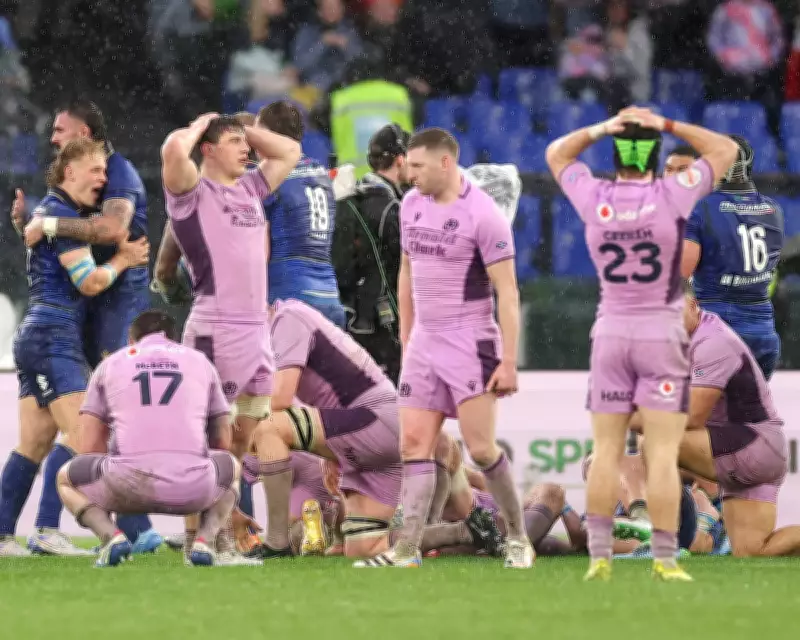
In a series of disheartening results, Ireland were comprehensively outclassed by a dazzling France in Paris, while Scotland faltered in Rome against a resilient Italy. Wales, meanwhile, delivered a particularly lacklustre performance in their loss to England at Twickenham. These outcomes have delivered the most significant Celtic wake-up call in over 25 years, challenging the competitive balance that defines the Six Nations.
The long-term implications are alarming. Historically, the early 2000s saw England or France top the table for five consecutive years, a period when the adjustment to professionalism created fitness disparities. The current scenario threatens a similar dynamic, with England and France boasting deepening player pools and robust domestic leagues.

Structural Concerns and Player Pipeline Issues
Ireland, despite recent world-ranking highs, are grappling with the retirement of key figures like Johnny Sexton and an aging squad, compounded by injuries. Their under-20s and A teams also faced heavy defeats, indicating potential vulnerabilities in their talent pipeline.
In Scotland, insiders report a concerning lack of emerging talent beyond the current generation, which could hinder future competitiveness. Wales' woes are even more pronounced, with off-field crises and neglected player pathways contributing to a sharp decline in performance.
The Rising Power of England and France
Conversely, England and France are strengthening their positions. France's Top 14 league continues to produce exceptional young talents, such as Louis Bielle-Biarrey, who shone in the opening match. England, too, boasts enviable depth, particularly in positions like the back row, where players like Ben Earl face fierce competition for starting spots.
As Earl noted, the quality within English rugby is currently exceptional, fostering intense internal rivalry that elevates the national team. This depth contrasts starkly with the challenges faced by smaller nations, where limited forward momentum and aerial dominance can stifle even the most creative playmakers.
Hope for a Celtic Revival
Despite the gloomy outlook, it is still early in the championship. Scotland and Ireland are unlikely to remain as flat as they appeared in round one, and a short, sharp shock could galvanise their squads. Positive moments from the weekend, such as Italy's euphoric win and individual brilliance from players like Thomas Ramos and Henry Arundell, offer reminders of the tournament's potential for excitement.
However, if Ireland, Scotland, and Wales fail to mount a rapid response in the coming rounds, the Six Nations risks becoming a predictable contest between two powerhouses, diminishing the jeopardy and tension that make it a beloved spectacle. The championship's beauty lies in its uncertainty, and without a Celtic resurgence, that core appeal could be severely undermined.