Six Nations 2026 Best XV: France Dominate with Five Players in Championship Selection
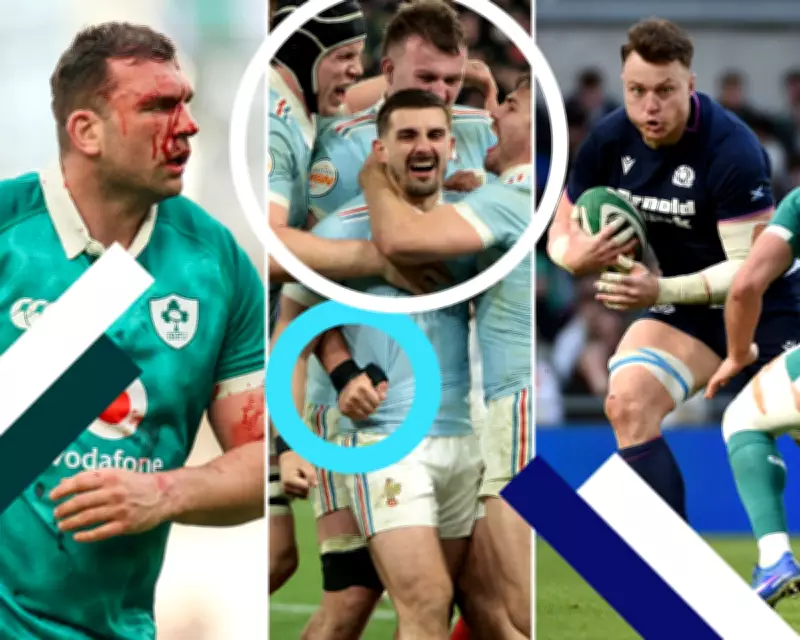
The 2026 Six Nations championship delivered thrilling rugby, culminating in France being crowned champions. In a tournament to savour, every side is represented in the selection of the best XV, with France leading the way with five players. This lineup showcases the standout performers who defined the competition with their skill, resilience, and impact on the field.
Backline Brilliance: Key Players Shine Across Nations
Thomas Ramos of France secures the fullback position at number 15, demonstrating unparalleled marksmanship. The 30-year-old nailed the decisive final winning penalty in Paris, mirroring his clutch performance against England in Lyon two years prior. Ramos is the first player to be the top points-scorer in four successive championships and now tops France’s all-time list, blending the tenacity of Mike Brown with the finesse of Thomas Castaignède.
On the wing, Kyle Steyn of Scotland takes the number 14 spot. His interception try from Antoine Dupont’s deflected pass against France at Murrayfield highlighted his game awareness and pace. Steyn’s ability to beat defenders and compete strongly in the air set him apart, though Rob Baloucoune also impressed.

At centre, Tommaso Menoncello of Italy, aged just 23, emerges as Europe’s best. His solo try in Italy’s historic win against England showcased his strength, speed, and commitment. Known as the “Toucan” for his nose, he even surpassed Maro Itoje’s grip-strength test, earning a move to Toulouse next season.
Stuart McCloskey of Ireland fills the number 12 role as the midfield revelation. He posed significant problems for England, with a high work rate and key defensive plays, such as tracking back to deny Marcus Smith a try at Twickenham. McCloskey led in dominant collisions, turnovers, and try assists, ensuring Ireland barely missed Bundee Aki.
Louis Bielle-Biarrey of France claims the number 11 position with a record nine tries in the championship, including four against England. The 22-year-old is the first to score in every game in successive seasons, boasting 29 tries in 27 appearances for France and ranking joint-fifth in tournament history with 18 tries in 14 games.
Halfbacks and Forwards: Tactical Masters and Power Players
At fly-half, Finn Russell of Scotland edges out Matthieu Jalibert for his tactical prowess and ability to elevate his team. Russell was instrumental in Scotland’s home wins over England and France, with his quick restart for Darcy Graham’s try in Cardiff highlighting his alertness. At 34, he remains a cherished asset for Scotland.
Jamison Gibson-Park of Ireland takes the scrum-half spot after a commanding display against England. His authoritative performance and role in Ireland’s win over Scotland tipped the balance against Ben White, making him pivotal to Irish ambitions at age 34.
In the front row, Rhys Carré of Wales earns the number 1 position, rebounding from fitness doubts to become a mobile power athlete. He scored in three successive Tests and was Wales’s leading points scorer, proving good things come to those who wait.
Julien Marchand of France is the hooker at number 2, providing stability with his lineout throwing and all-round presence. He reclaimed the starting shirt from Peato Mauvaka, with Dan Sheehan and Dewi Lake also in contention.
Joe Heyes of England secures the tighthead prop role at number 3, showing significant improvement. In his first Six Nations starts, he bolstered England’s scrum, the most consistent area of their campaign, and is noted for his interests in history and cooking.
Second Row and Back Row: Impact and Versatility
Emmanuel Meafou of France takes the number 4 lock position, combining physical impact at 6ft 8in and 23 stone with deft distribution skills. His tip-off passes are key in modern rugby, and at 27, he is a regret for Australian rugby.
Charles Ollivon of France fills the number 5 spot, showcasing versatility with 19 tries in 53 Tests. His try in open play against Ireland highlighted his broad skill set, making him a valuable asset at age 32.

In the back row, Tadhg Beirne of Ireland claims the number 6 role, offering a triple threat as a lineout jumper, defender, and turnover specialist. He outperformed Michele Lamaro, François Cros, and Ollie Chessum.
Rory Darge of Scotland is the openside flanker at number 7, finishing equal top for turnovers and scoring against England. His omission from the Lions tour spurred him to become an unselfish, hard-edged performer.
Jack Dempsey of Scotland rounds out the lineup at number 8, despite announcing a move to Japan. He was Scotland’s most impactful forward, galvanising the team through a biceps injury, narrowly edging out Aaron Wainwright, Caelan Doris, and Anthony Jelonch.
This selection reflects the depth and talent across the 2026 Six Nations, with France’s dominance balanced by standout contributions from every nation, making it a memorable championship for rugby fans worldwide.