A quarter of a century after nearly dying after an international rugby match, Alejandro Allub is putting his experience to use in his new career as a paediatric cardiologist.
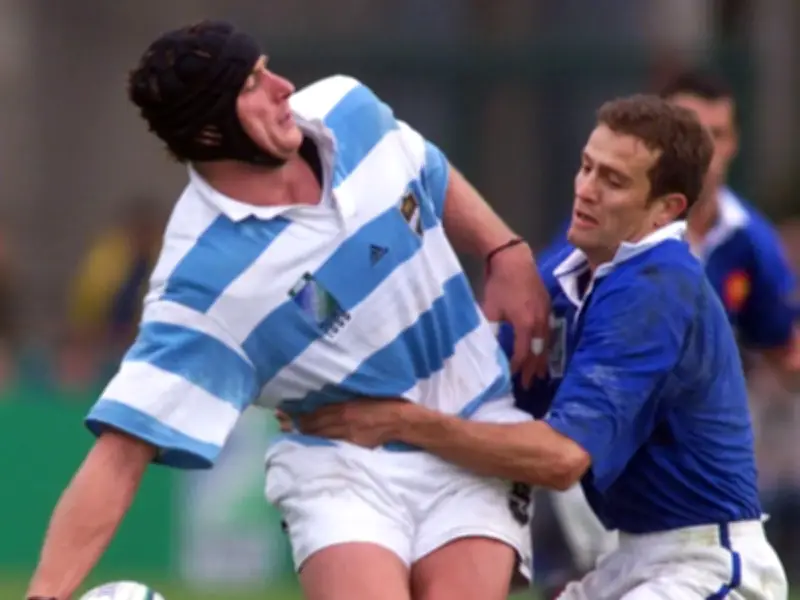
Allub, a former Argentina international, was part of the Pumas team which ran Wales close at the 1999 Rugby World Cup. He scored his one and only international try in a pool stage win against Samoa, with the South Americans eventually eliminated by France in the quarter-finals.
Heart attack ends top-level career
Two years later, however, the lock saw his career come to a premature end. Moments after playing against New Zealand in Christchurch, he fell ill in the changing room and was taken to hospital with chest pain.
Medics discovered Allub had suffered a heart attack. He was lucky to survive - it could have killed him during the match - but his career at the top level was over.
The forward, 25 at the time, started his career with Jockey Club in the Argentine city of Cordoba but was playing his club rugby with Perpignan when the heart attack occurred. He had begun studying medicine before leaving South America and told Cadena3 the scare prompted him to return to school.
Return to medical studies
"I was in my fifth year of medical school, and even while in France, I tried to keep up with my studies," Allub said. "When I had the heart attack, my medical education was the first thing that came to mind.
"I went from playing against the All Blacks to being in intensive care, separated from my family, and facing a great deal of uncertainty. Sports instilled a great deal of discipline and perseverance in me. It's not just a healthy activity; it also shapes you as a person."
Allub graduated a year later and specialised in a matter with a personal connection. He qualified as a paediatric cardiologist, meaning he treats children with heart defects.
Second retirement to focus on medicine
He would later return to the rugby field, even going back to Jockey Club for a few more seasons. He was subject to regular medical monitoring in the latter stages of his career and retired for a second time at the age of 41 to fully devote himself to his new career.
"I feel very much at home at the children's hospital; that's where I truly get to enjoy practicing medicine," he added. "I always say that you shouldn't give up your books. Sports and academics can coexist. Sport is not just a game; it also teaches you how to face challenges."