Patriots Coach Terrell Williams' Inspiring Cancer Battle Ahead of Super Bowl
Patriots Coach's Cancer Battle Inspires Super Bowl Journey

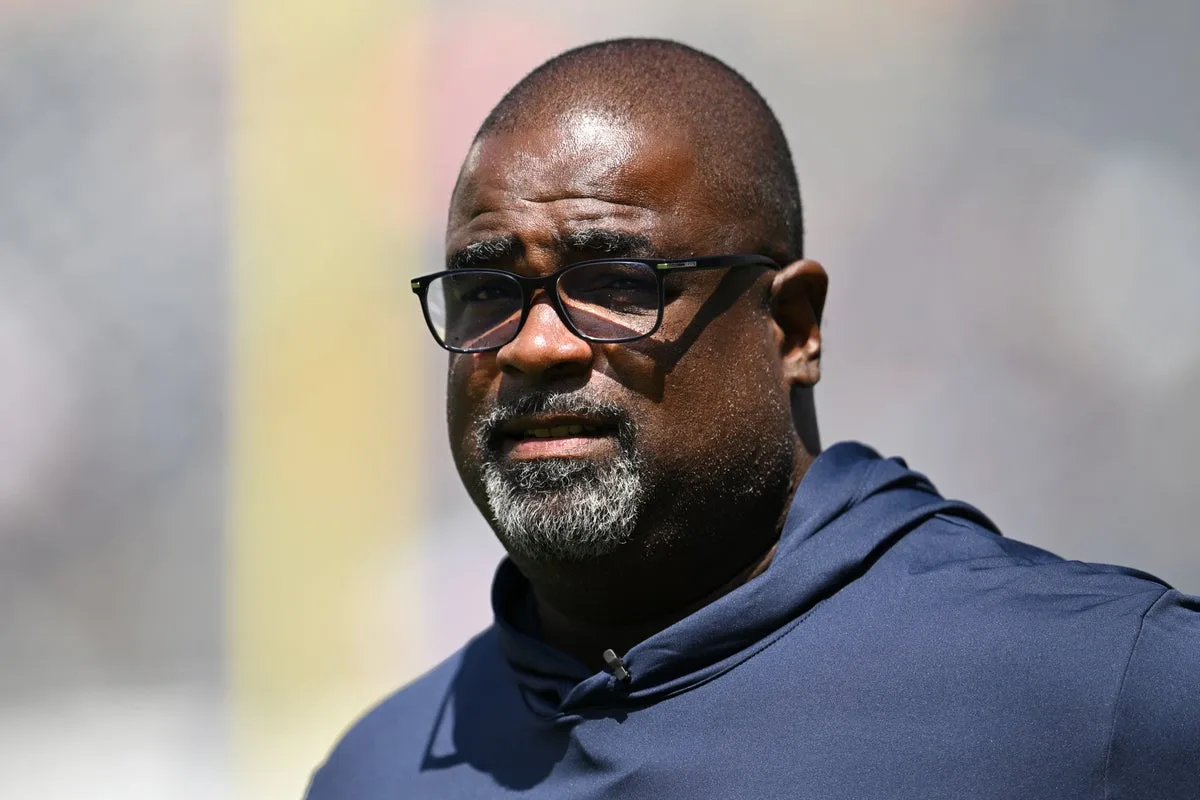
Terrell Williams stands quietly on the floor of the San Jose Convention Center, a moment of reflection amid the roaring spectacle of Super Bowl Opening Night. For the New England Patriots defensive coordinator, this dark hall represents far more than a pre-game media event. It is a testament to the immense personal journey he has undertaken since last autumn, when a devastating diagnosis threatened to derail not just his season, but his life.

A Diagnosis That Changed Everything

Back on September 8, the 51-year-old coach visited urgent care, believing he was suffering from a severe stomach virus and perhaps a sore shoulder from sleeping awkwardly. The reality was profoundly more serious. Tests revealed an aggressive form of prostate cancer that had already spread throughout his body. "When I first got the news in September, I never thought about a Super Bowl," Williams confesses. "I was just hoping to be okay."

What followed was an intense regimen of chemotherapy and hormone therapy, alongside a strict medicinal diet. His professional life was immediately put on hold. After running the Patriots defense in Week One of the 2025 campaign, Williams was forced to miss the next nineteen consecutive games, a brutal separation from the sport he loves.

Wide Pickt banner — collaborative shopping lists app for Telegram, phone mockup with grocery list

The Mental and Emotional Battle

"Mentally, it was tough because you just didn't know what the outcome might be," Williams reveals. Doctors delivered the grave warning that the cancer could be fatal. "But I trusted in my faith and my wife was very supportive. [She] helped me keep my spirits up."

The football community rallied around him in a powerful display of solidarity. "The phone calls, the text messages, the emails, the notes from fans," Williams continues, visibly moved. "I read them all, and a lot of them brought tears to my eyes." This support network became a crucial pillar of his recovery, reminding him he was not fighting alone.

A Fragile Return to the Sidelines

Last week, Patriots head coach Mike Vrabel delivered the uplifting news that Williams was well enough to travel to Santa Clara for Super Bowl LX. His presence is a symbolic victory in itself. "I'm just thankful and grateful [for] the journey," Williams says. "I'm just happy to be where I am right now."

However, the path has been fraught with difficult days where his mind wandered to "dark" places. The battle is ongoing. "What I've learned is that you're never really cancer free," he explains soberly. "The doctors told me everything was great - I was excited, I was emotional… but I also know there's still a journey ahead." He describes the cancer as currently "dormant," rather than defeated, with the ever-present threat of its return.

This fragility was underscored on Opening Night when Williams stumbled and required treatment from paramedics for dehydration, needing assistance into a wheelchair. Thankfully, he was later able to return to the team hotel with the rest of the coaching staff. He is scheduled for a sixth and final round of chemotherapy this Tuesday, a procedure that could follow the greatest triumph of his coaching career.

Contributing Through Adversity

Despite being sidelined for most of the season, Williams remained a key part of the Patriots' defensive planning. Inside linebackers coach Zak Kuhr stepped up as the de facto defensive coordinator, leading meetings and calling plays since Week 2. Yet Williams contributed where he could. "Going through chemo, it was just however I felt during that time," he details. "I would come in and help with the gameplan where needed and give my advice… I mustered up enough strength to come in there and help out when I could."

His primary focus, rightly, was his health. "It just depended on the day and the week, because my No 1 focus was my health and taking care of that. And then worrying about the gameplan." This period also granted him precious time at home with his family, including watching his 13-year-old son's hockey games, and space for profound personal reflection.

Pickt after-article banner — collaborative shopping lists app with family illustration

Lessons in Compassion and Connection

The experience has reshaped Williams' perspective on life and leadership. "On life and how I can be a better person overall," he muses. "How I can just contribute, really, not just in football, but in life." He has become an advocate for openness, even as a private person. "I think you can learn a lot from people when you talk about cancer," he says, noting the many supportive calls from fellow coaches and others touched by the disease.

One gesture that left a deep impression came from Iowa State, a program with which he had no prior connection. Retired Cyclones defensive coordinator John Heacock had his players and staff send Williams handwritten letters every two weeks. "I don't even know these guys, but I felt like I got to know them," Williams shares. "It makes you realize that, man, you don't have to give money. Sometimes, just giving time or giving someone a compliment or just asking how they're doing - that can go a long way."

The Unbreakable Bond with Coach Vrabel

Williams reserves special praise for head coach Mike Vrabel, whose support transcended the professional realm. Their bond, forged during earlier years with the Tennessee Titans, deepened profoundly. "We've always had a great relationship, a personal relationship," Williams explains. "But now, going through this… I saw even more how much he cared – not about Terrell Williams the coach, but Terrell Williams the person."

Vrabel was instrumental in urging Williams to seek medical attention initially and was "adamant" about him prioritising recovery over a rushed return. On days Williams was absent, Vrabel would call repeatedly, never to discuss football, but simply to ask: "How are you doing? How's your family doing? What do you need?"

Together, they have helped steer the Patriots from two consecutive 4-13 seasons to the Super Bowl stage. "He's an unbelievable head coach," Williams states. "I don't know if he's going to win the coach of the year, but he's my coach of the year."

A Story Bigger Than Football

As quarterback Drake Maye noted earlier this season, Williams' journey has become a galvanising force for the team. "What a story. It's been something for us to rally around and somebody to care about… it's just bigger than football."

As the Patriots prepare to face the Seattle Seahawks at Levi's Stadium, they arrive as underdogs. Yet, they have already defied expectations repeatedly this year—both on the gridiron and in the face of profound personal adversity. For Terrell Williams, standing on the cusp of a Super Bowl, victory would represent the crowning moment of a fight that has redefined triumph, resilience, and the true meaning of teamwork.