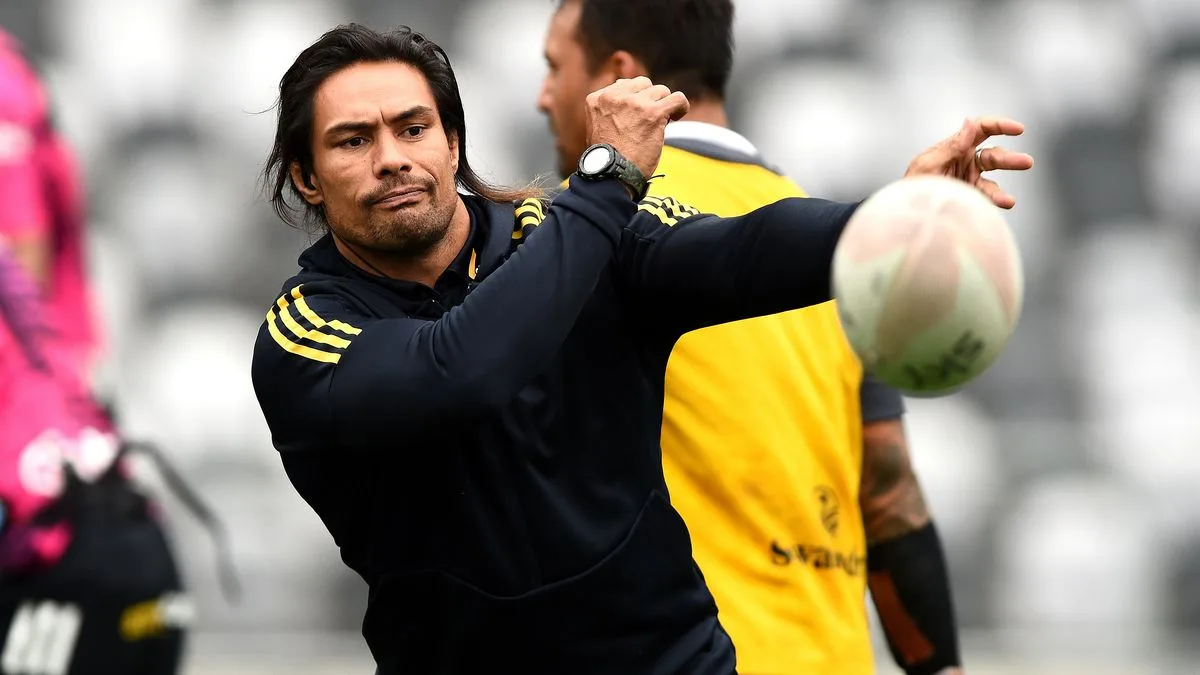
Former NZ Rugby Star Shane Christie Diagnosed with Advanced CTE After Death
NZ Rugby Star Shane Christie Diagnosed with Advanced CTE

Former New Zealand Rugby Star Shane Christie Diagnosed with Advanced CTE

A New Zealand professional rugby player who died by suspected suicide last year had advanced chronic traumatic encephalopathy (CTE), a brain abnormality directly linked to repeated concussions, according to a post-mortem examination revealed on Thursday. The diagnosis was announced by Coroner Ian Telford during a preliminary hearing into the death of Shane Christie, who passed away in August at the age of 39.

Understanding CTE and Its Devastating Impact

CTE is a progressive neurodegenerative disease that causes cumulative damage to brain tissue over time. It is associated with symptoms such as severe mood swings, impulsive behaviour, depression, and cognitive decline. Crucially, CTE can only be definitively diagnosed after death through post-mortem brain analysis.

Shane Christie was a former New Zealand Maori representative who had long believed he was suffering from CTE. His concern grew following the death of his friend and fellow rugby professional Billy Guyton, who also died by suspected suicide. Christie subsequently campaigned vigorously for greater awareness and understanding of the condition among athletes and sporting bodies.

Wide Pickt banner — collaborative shopping lists app for Telegram, phone mockup with grocery list

Christie's Rugby Career and Post-Retirement Advocacy

Christie played Super Rugby for both the Crusaders and the Highlanders before retiring from the sport in 2018. His retirement was prompted by the debilitating effects of repeated concussions sustained throughout his playing career. Friends and family have stated that Christie explicitly wanted his diagnosis made public to help raise awareness of CTE and support other players experiencing similar symptoms.

The coroner confirmed that pathologist Dr. Clinton Turner, who works at the University of Auckland's "brain bank," had identified "the diagnosis of chronic traumatic encephalopathy (CTE), which he characterizes as 'high stage'." Both Christie and Billy Guyton had donated their brains to this neurological research facility for study.

Official Responses and Broader Implications for Contact Sports

Coroner Telford emphasised that while the CTE diagnosis represents the pathologist's medical opinion, the official cause of Christie's death will be determined through the ongoing coronial process. The condition has also been linked to fatalities in other high-impact sports globally, including the National Football League (NFL), hockey, and soccer.

In response to the findings, New Zealand Rugby chief executive Steve Lancaster addressed the media, acknowledging that the organisation recognises "an association between repeated head impacts and CTE and takes this issue seriously." Lancaster further stated, "New Zealand Rugby acknowledges the CTE pathology results for Shane Christie confirmed by The Neurological Foundation Human Brain Bank. We also acknowledge and respect the role of the coroner to determine the nature of any inquiry they may hold examining the cause and circumstances of Shane’s passing."

He added, "We share the concerns about the potential long-term effects of repeated head knocks in rugby and support the need for ongoing research into this." The case highlights growing global scrutiny of head injuries in contact sports and the urgent need for enhanced protective measures and continued scientific investigation.

Pickt after-article banner — collaborative shopping lists app with family illustration